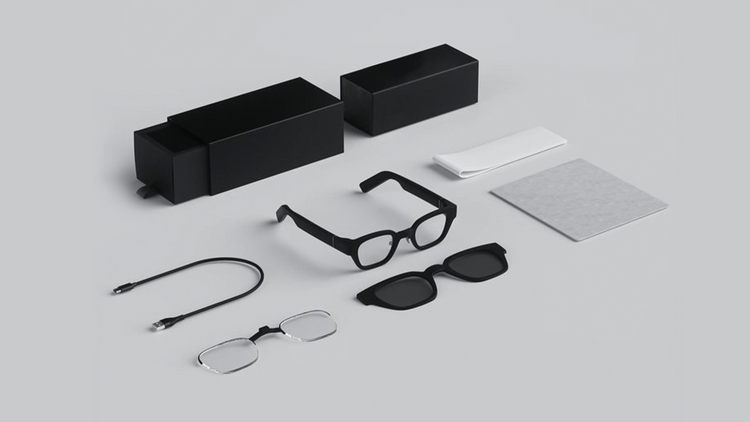

Bone Conduction Headphones With Glasses: Fit and Comfort Checklist

Table of Contents
- Understanding the Challenge
- Device Stacking Order
- Pressure Points and Adjustments
- Seal-Free Positioning
- Movement Tests
- Realistic Comfort Tradeoffs
- Where Hearview Fits
- FAQ
- Conclusion
Understanding the Challenge
If you wear glasses and are considering bone conduction headphones, you may wonder how both can fit comfortably together. Bone conduction devices rest on the temples or behind the ears, which is exactly where eyeglass frames sit. This overlap can create pressure points, discomfort, or even affect the audio quality. The good news is that with the right planning and adjustments, many people successfully use both. This checklist will guide you through the key factors to consider.
Device Stacking Order
The order in which you put on your glasses and bone conduction headphones matters. Here are two common approaches:
- Glasses first, then headphones: Place your glasses on first, ensuring the temples sit naturally. Then carefully position the bone conduction transducer behind your ear or on your temple, depending on the device design. This order often reduces pinching because the headphones sit on top of the glasses arms.
- Headphones first, then glasses: Some users prefer to put the headphones on first, then slide the glasses temples under the headphone band. This can work if the headphone band is thin and flexible. However, it may lift the glasses slightly, altering the fit.
Try both orders and see which feels more stable. The goal is to avoid any single point of concentrated pressure.
Pressure Points and Adjustments
Pressure points are the most common complaint when combining bone conduction headphones with glasses. Here’s how to manage them:
- Identify the contact areas: The main pressure points are where the headphone band rests on the glasses temples, and where the transducer presses against the skin. If the transducer is too close to the glasses hinge, it can create a hard spot.
- Adjust the headphone position: Many bone conduction headphones have flexible bands. Try sliding the headphones slightly forward or backward along the temple to find a spot where the glasses arm and headphone band do not stack directly on top of each other.
- Consider glasses frame thickness: Thin metal frames often cause less interference than thick plastic frames. If you have multiple pairs, test which one works best.
- Use padding or silicone covers: Some users add a thin silicone pad on the glasses temple where the headphone rests. This can distribute pressure more evenly. However, be careful not to block the transducer’s contact with the skin.
Seal-Free Positioning
Unlike traditional headphones, bone conduction devices do not need to seal the ear canal. This gives you more freedom in positioning. However, for optimal sound transmission, the transducer must maintain good contact with the skin over the temporal bone. Here are tips for seal-free positioning with glasses:
- Place the transducer just in front of the ear: Most bone conduction headphones work best when the transducer sits on the temple, slightly forward of the ear. This area is usually clear of glasses frames if the glasses have straight temples.
- Avoid the glasses hinge: The hinge area is often thicker and can cause the transducer to tilt, reducing contact. Position the transducer away from the hinge.
- Test different angles: Rotate the transducer slightly to see if you can achieve a comfortable fit without losing audio clarity. A small angle change can make a big difference.
- Use the headphone’s adjustability: Many models allow you to bend the band or rotate the transducers. Take advantage of these features to customize the fit around your glasses.
Movement Tests
Once you have a comfortable static fit, test how the setup holds up during movement. Perform these simple tests:
- Turn your head side to side: Do the headphones or glasses shift? Is there any pinching?
- Nod your head up and down: Does the transducer lose contact? Does the glasses frame slide down?
- Walk or jog in place: Notice any bouncing or instability. Bone conduction headphones are often used during exercise, so a secure fit is important.
- Simulate daily activities: If you plan to wear them while working, reading, or commuting, mimic those movements. Adjust as needed.
If the setup feels unstable, revisit the stacking order or try a different headphone model that offers more adjustability.
Realistic Comfort Tradeoffs
No combination of glasses and bone conduction headphones will feel exactly like wearing nothing. Accepting some tradeoffs can help you find a workable solution. Consider these points:
- Weight distribution: Adding headphones on top of glasses increases the total weight on your ears and nose. Choose lightweight headphones and glasses to minimize fatigue.
- Long-term wear: For extended use, take short breaks every hour to relieve pressure points. This is especially important if you feel any soreness.
- Audio quality vs. comfort: Sometimes a slightly looser fit improves comfort but reduces bass response. Decide which factor matters more for your use case.
- Individual anatomy: Everyone’s head shape and ear placement are different. What works for one person may not work for another. Be prepared to experiment.
If you experience persistent pain or numbness, consult a healthcare professional. They can provide guidance on accommodations that suit your specific needs.
Where Hearview Fits
Hearview bone conduction headphones are designed with comfort in mind, especially for users who wear glasses. The lightweight frame and adjustable transducer positioning help reduce pressure points. Many users find that the slim band sits comfortably alongside standard eyeglass temples. If you are looking for a device that balances audio performance with wearability, consider exploring the Hearview bone conduction hearing assistive headphone. As with any assistive device, individual results may vary. For medical questions about hearing loss or device suitability, please consult a qualified professional.
FAQ
Can I wear bone conduction headphones with any type of glasses?
Most glasses can be worn with bone conduction headphones, but thin, lightweight frames tend to cause less interference. Thick plastic frames or those with wide temples may create more pressure points. Experiment with different frame styles if possible.
Will bone conduction headphones work if I have hearing aids?
Bone conduction headphones can be used with some hearing aids, but the fit may be more complex. The devices may compete for space behind the ear. Consult your audiologist for personalized advice on combining these devices.
How do I clean bone conduction headphones after wearing them with glasses?
Use a soft, dry cloth to wipe the transducers and band. Avoid moisture near the charging ports. If the headphones have been in contact with skin oils or glasses frames, a gentle cleaning with a slightly damp cloth is safe, but ensure all parts are dry before storage.
Conclusion
Wearing bone conduction headphones with glasses is achievable with careful planning and adjustments. Start by choosing the right device stacking order, identify and relieve pressure points, and test the setup during movement. Accept that some tradeoffs in comfort or audio quality may be necessary. If you are ready to explore a comfortable option, check out the Hearview bone conduction headphone and see how it fits into your daily routine. Remember, for any medical concerns, always seek professional care.