
Hair Salon Communication for Deaf Clients: Consultation Tips Before th

Walking into a hair salon can be a sensory experience—the buzz of clippers, the chatter of stylists, the music overhead. But for deaf and hard-of-hearing clients, that sensory mix often becomes a barrier. Without clear communication, a simple consultation can lead to misunderstandings about length, layers, or color. That’s why planning ahead and using visual tools makes all the difference. This guide offers practical tips for deaf clients and salon professionals to ensure a successful appointment from the very first conversation.
Table of Contents
- Why Consultation Matters
- Before the Appointment
- During the Consultation
- Visual Communication Tools
- Addressing Device Removal
- Where Hearview Fits
- FAQ
- Conclusion
Why Consultation Matters
The consultation is the most critical part of any salon visit. It sets expectations, builds trust, and prevents costly mistakes. For deaf clients, a miscommunication about a haircut can be frustrating and time-consuming. By using visual aids, written notes, or captioned tools, both parties can confirm the desired outcome before scissors touch hair. The Americans with Disabilities Act (ADA) requires public accommodations like salons to provide effective communication, which may include written notes, visual aids, or assistive technology. Planning ahead ensures the salon can meet these needs.
Before the Appointment
Choose a Deaf-Friendly Salon
Not all salons are equally prepared. Look for signs of accessibility: do they have a website that mentions accommodations? Can you book online with a notes section? Some salons specifically advertise as deaf-friendly. Call or email ahead to discuss communication preferences. If you use sign language, ask if any staff know ASL. If you rely on lipreading, request a well-lit station and a stylist who faces you directly.
Bring Visual References
Photos are universal. Save screenshots of hairstyles you like (and don’t like) on your phone. For color, bring a picture of the shade or a swatch. This reduces reliance on verbal descriptions. Some clients also bring a small notebook or use a notes app to write down key terms like “2 inches off” or “long layers.”
Confirm Appointment Details
Double-check the service, time, and stylist via text or email. Ask if the salon can provide a quiet space for the consultation if needed. If you use hearing aids or cochlear implants, let them know you may need to remove them during washing or cutting—and discuss how you’ll communicate during that time.
During the Consultation
Set Up the Environment
Ask to sit facing your stylist in good lighting. Reduce background noise if possible—some salons can turn down music or move to a quieter area. If you lipread, remind the stylist to speak clearly without exaggerating, and to avoid covering their mouth. A simple “I read lips, so please face me when you talk” works.
Use Written or Digital Notes
Many stylists are happy to write down instructions. You can also type on your phone and show it. For complex services like balayage or a perm, a step-by-step written plan helps. Some salons use tablets for consultations—ask if they can type the plan.
Confirm the Plan Step by Step
After discussing, repeat the plan back in your own words. For example: “So you’ll cut 2 inches off the ends, add face-framing layers, and use a warm blonde toner. Is that right?” This ensures both sides agree. If anything is unclear, ask for clarification before the service begins.
Visual Communication Tools
Beyond photos, several tools can bridge the gap:
- Captioning apps: Use a speech-to-text app on your phone. The stylist speaks, and the app transcribes in real time. This works well for detailed discussions.
- Video relay services (VRS): If you use ASL, you can call a VRS interpreter who joins via video on your phone. The interpreter voices for you and signs the stylist’s response.
- Gesture and pointing: Simple gestures—pointing to your hair, showing length with fingers—are effective for basic instructions.
- Written checklists: Create a pre-printed checklist of common requests (e.g., “trim 1 inch,” “no thinning,” “keep texture”) that you can hand to the stylist.
Addressing Device Removal
Many deaf clients wear hearing aids or cochlear implants. During washing, cutting, or blow-drying, you may need to remove them to keep them dry or safe. This can be a vulnerable moment because you lose access to sound. Plan ahead:
- Bring a waterproof case for your device.
- Agree on a visual signal (e.g., tap on the shoulder) to get your attention.
- Write down any critical instructions before removing the device.
- Ask the stylist to show you the finished look in a mirror before you put your device back in, so you can give final feedback.
Where Hearview Fits
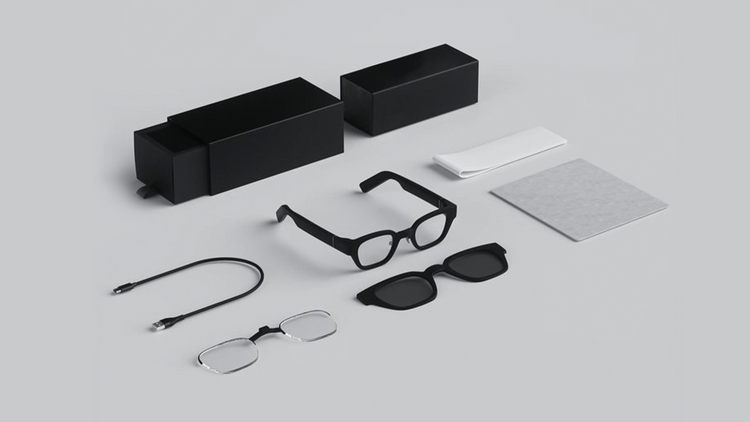
Hearview offers smart glasses that display real-time captions of speech directly in your field of view. During a salon consultation, you can wear the glasses and see what the stylist says without needing to look down at a phone. This keeps the interaction natural and hands-free. The glasses work with a companion app and can be used in various settings, including noisy environments like salons. While they are not a replacement for professional medical advice or hearing devices, they can be a helpful accommodation for planning and communication. For clients who prefer not to remove their hearing aids, the glasses provide an additional visual layer. Always discuss your specific needs with your stylist and healthcare provider.
FAQ
1. Can I request a specific stylist who is patient with deaf clients?
Yes. When booking, ask the receptionist if any stylist has experience with deaf or hard-of-hearing clients. Many salons are happy to accommodate if they know in advance.
2. What if the stylist doesn’t understand my written notes?
Try simplifying your language. Use bullet points or draw a simple diagram. If that fails, ask to speak with the salon manager or another stylist. You have the right to effective communication under the ADA.
3. Should I tip differently if extra communication effort is needed?
Tipping is always at your discretion. If the stylist went above and beyond to accommodate your needs, a slightly higher tip is a nice gesture. But it’s not expected—good communication is part of professional service.
Conclusion
A great haircut starts with a great conversation. By preparing visual references, using captioning tools, and agreeing on a clear plan before the service, deaf clients can enjoy a salon experience that meets their expectations. Remember, you are the expert on your own hearing needs—don’t hesitate to advocate for accommodations. For an extra layer of visual support, consider using Hearview’s subtitle glasses during your next consultation. They can help you follow every word without missing a beat.
Explore Hearview’s subtitle glasses for clearer salon communication.