
Live Event Captioning Checklist for Organizers: A Better Setup for Dea

Table of Contents
- Why Captions Matter for Deaf Attendees
- Pre-Event Checklist
- Day-of Event Checklist
- Where Hearview Fits in Your Setup
- FAQ
- Conclusion
Why Captions Matter for Deaf Attendees
Organizing a live event—whether a conference, panel discussion, or workshop—means ensuring every attendee can fully participate. For deaf and hard-of-hearing guests, access to real-time captions is not just a nice-to-have; it's essential for understanding spoken content, following Q&A sessions, and engaging with speakers. Yet many organizers overlook key details that can make or break the captioning experience. This checklist helps you plan for synchronized, accurate, and visible captions that meet accessibility guidelines and attendee expectations.
Pre-Event Checklist
1. Book Professional CART Services Early
Communication Access Realtime Translation (CART) provides verbatim captions streamed to screens or personal devices. Contact providers at least 4–6 weeks before your event. Confirm they can handle your event's technical requirements (e.g., multiple speakers, Q&A, specialized terminology). Ask about backup captioners in case of technical issues.
2. Plan for Multiple Display Options
Captions should be visible from every seat. Options include:
- Large screens flanking the stage
- Secondary monitors for smaller rooms
- Personal device streaming via QR code or app
Test screen placement to avoid glare or obstruction. Ensure font size is adjustable for personal devices.
3. Coordinate with Speakers on Microphone Use
Accurate captions depend on clear audio. Provide speakers with high-quality microphones and instruct them to speak directly into the mic, avoid talking over each other, and repeat audience questions before answering. A dedicated clip-on microphone for each speaker is ideal.
4. Prepare for Q&A and Audience Participation
Audience questions often lack audio clarity. Plan to have a roving microphone or ask attendees to line up at a floor mic. For virtual participants, ensure their audio is routed to the captioner. Consider using a chat moderator who can type questions for the captioner to see.
5. Test Caption Synchronization
During rehearsals, check that captions appear on screens with minimal delay (ideally under 3 seconds). Verify that the caption stream matches the spoken content and is free of garbled text. Adjust audio levels if the captioner reports difficulty hearing.
Day-of Event Checklist
1. Set Up Caption Display Before Doors Open
Turn on caption screens at least 30 minutes before the event starts. Display a test message or welcome text so attendees can confirm visibility. Provide clear signage directing deaf attendees to the best viewing spots.
2. Assign a Caption Monitor
Designate a staff member to watch the caption feed throughout the event. Their role: flag any delays, garbled text, or display issues. They can also communicate with the captioner if audio problems arise.
3. Offer Backup Tools for Attendees
Even with professional CART, technical glitches happen. Provide attendees with a backup option, such as a personal captioning app on their phone or a loaner device. This gives them control and peace of mind.
4. Gather Feedback After the Event
Ask deaf attendees about their captioning experience. Did they miss any content? Were captions easy to read? Use this feedback to improve future events.
Where Hearview Fits in Your Setup
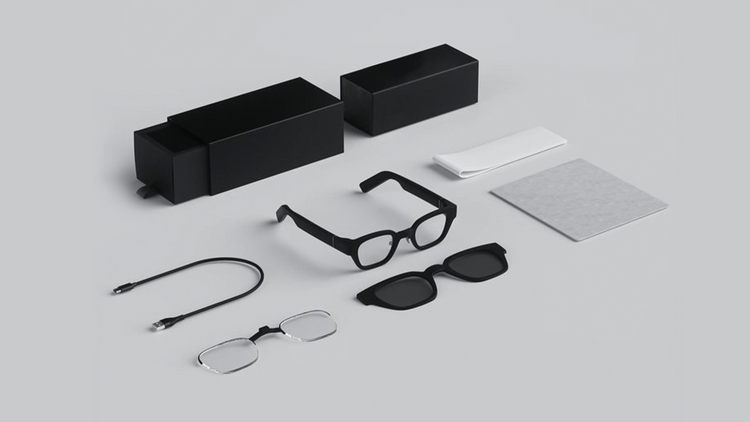
While CART provides the caption text, the quality of the audio feed directly impacts accuracy. Hearview's Bluetooth noise-canceling microphone clip-on is designed to capture clear, focused audio from each speaker, reducing background noise and ensuring the captioner hears every word. It's a practical addition to your microphone kit, especially for panel discussions or settings where speakers move around. The device pairs with hearing aids and amplifiers, but its primary benefit here is improving the audio source for captioning. Remember, Hearview is a tool to support your accessibility planning, not a replacement for professional captioning services.
FAQ
1. Do I need CART if I already have ASL interpreters?
ASL interpretation serves attendees who use sign language, but many deaf and hard-of-hearing individuals rely on captions. Providing both ensures broader accessibility. Check with your attendees about their preferences.
2. Can I use automatic speech recognition (ASR) instead of CART?
ASR can be a low-cost backup, but it often produces errors with accents, technical terms, or multiple speakers. For professional events, CART offers higher accuracy and reliability. Always have a human captioner for critical content.
3. How do I make captions visible for attendees with low vision?
Use high-contrast text (white on black) and allow font size adjustment on personal devices. Provide a dedicated screen close to the stage for those who need larger text. Consider offering a braille program or audio description as complementary accommodations.
Conclusion
Planning accessible live captions takes coordination, but the payoff is a more inclusive event where deaf attendees can fully participate. Use this checklist to book CART, optimize audio with quality microphones, test display setups, and prepare backup options. For an extra layer of audio clarity, consider adding Hearview's clip-on microphone to your toolkit. Start your planning today, and remember to consult with accessibility experts and your attendees for personalized guidance.
Explore Hearview's clip-on microphone for clearer audio in your captioning setup.