
Support Group Accessibility for Hard-of-Hearing Adults: Captions, Priv

Table of Contents
- Why Accessibility Matters in Support Groups
- Caption Options for Group Settings
- Privacy and Consent in Captioned Groups
- Turn-Taking Strategies for Clearer Conversations
- Facilitator Habits That Support Inclusion
- Accessibility Checklist for Support Groups
- Where Hearview Fits: Honest Guidance
- Frequently Asked Questions
- Conclusion
Why Accessibility Matters in Support Groups
Support groups offer a vital space for sharing experiences, building connections, and finding encouragement. For hard-of-hearing adults, however, the very conversations meant to uplift can become sources of frustration and exclusion. Background noise, overlapping speech, and rapid turn-taking can make it difficult to follow along, leading to feelings of isolation rather than support. Ensuring support group accessibility for hard-of-hearing adults is not just a legal consideration under the ADA's effective communication guidance—it's a matter of creating truly inclusive communities where everyone can participate fully.
This article offers practical accommodations and planning strategies for facilitators and group members. Whether you run a peer support meeting, attend one, or are helping a loved one find accessible group therapy communication, these tips can help make every voice heard.
Caption Options for Group Settings
Captions are one of the most effective tools for making group conversations accessible. However, not all caption solutions work well in a support group environment. Here are the main options to consider:
Real-Time Captioning (CART)
Communication Access Realtime Translation (CART) provides verbatim captions displayed on a screen. This is ideal for groups where accuracy is critical. However, CART requires a trained captioner, which can be costly and may raise privacy concerns if the captioner is not bound by confidentiality agreements.
Automatic Speech Recognition (ASR) Captioning
Apps and platforms that use ASR (e.g., Otter.ai, Google Live Transcribe) are more affordable and can be used on personal devices. Accuracy varies, especially with multiple speakers, accents, or background noise. For support groups, ASR can be a good starting point but may miss nuances or misattribute quotes.
Personal Caption Glasses
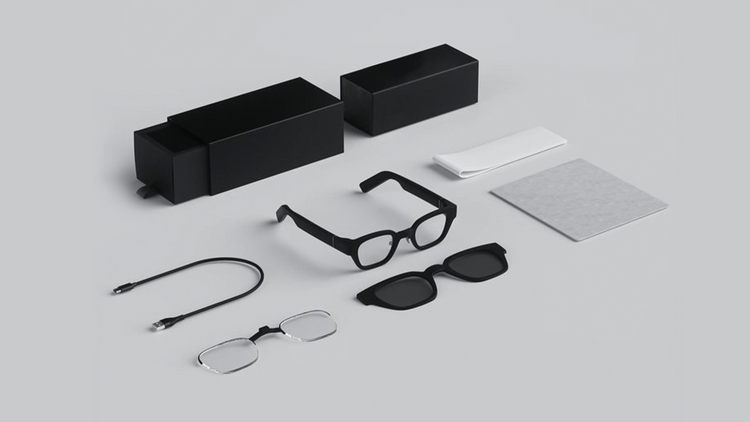
Devices like Hearview glasses display captions directly in the user's field of view, allowing them to read speech while maintaining eye contact. This can be less intrusive than a shared screen and offers privacy—only the wearer sees the captions. However, they rely on the same ASR technology, so accuracy depends on audio quality and speaker clarity.
Privacy and Consent in Captioned Groups
Support groups often involve sharing personal, sensitive information. When using captioning services, privacy must be a priority. Here are key considerations:
- Obtain consent: Before introducing captioning, explain to the group what will be captured and who has access. Some members may feel uncomfortable knowing their words are being transcribed.
- Choose secure platforms: If using an app, ensure it does not store recordings or transcripts without permission. For CART, sign a confidentiality agreement with the captioner.
- Offer alternatives: Not everyone may want captions. Provide options such as a hearing loop, FM system, or simply asking speakers to face the group and speak clearly.
- Respect privacy: For deaf peer support meetings, consider using caption glasses that display text only to the user, avoiding a shared screen that might expose sensitive content to others.
Turn-Taking Strategies for Clearer Conversations
One of the biggest challenges in group conversations is overlapping speech. For hard-of-hearing adults, this can make captions jumbled or impossible to follow. Implementing structured turn-taking can dramatically improve accessibility:
- Use a talking stick or visual cue: A physical object or a raised hand signals who has the floor. This reduces interruptions and gives the captioner or ASR system a clear audio stream.
- Facilitator-led rounds: Go around the circle, giving each person a set time to speak. This works well for check-ins or structured sharing.
- Signal before speaking: Encourage participants to say their name before speaking, e.g., “This is Maria, I’d like to add…” This helps the captioning system attribute speech correctly.
- Pause between speakers: A brief pause allows the captioning to catch up and gives hard-of-hearing members time to process.
Facilitator Habits That Support Inclusion
Facilitators set the tone for accessibility. Small changes in behavior can make a big difference:
- Face the group: Avoid turning away or covering your mouth. This helps with lip-reading and ensures the microphone picks up your voice.
- Repeat questions from the audience: If someone asks a question, repeat it before answering. This ensures everyone heard it and that the captioning captures it.
- Manage the environment: Choose a quiet room, minimize background noise, and ensure good lighting. For virtual groups, encourage participants to mute when not speaking.
- Check in regularly: Ask if everyone can follow along. Provide a way for participants to request adjustments without drawing attention, such as a hand signal or chat message.
Accessibility Checklist for Support Groups
Use this checklist when planning or evaluating a support group:
- ☐ Captioning option available (CART, ASR, or personal device)
- ☐ Privacy measures in place (consent, confidentiality agreements)
- ☐ Turn-taking protocol established (talking stick, rounds)
- ☐ Facilitator trained in inclusive communication habits
- ☐ Environment optimized (quiet, good lighting, minimal distractions)
- ☐ Backup plan for technology failures (e.g., printed notes, sign language interpreter)
- ☐ Feedback mechanism for participants to suggest improvements
Where Hearview Fits: Honest Guidance
Hearview glasses can be a helpful tool for hard-of-hearing adults in support groups, but they are not a one-size-fits-all solution. They work best when the audio environment is clear—single speaker, minimal background noise. In multi-speaker settings, they can still provide value by displaying captions from the dominant audio source, but accuracy may decrease with overlapping speech.
Hearview glasses offer the advantage of privacy: only the wearer sees the captions, which can be important in sensitive discussions. They also allow the user to maintain eye contact, fostering connection. However, they are not a substitute for professional captioning services or hearing aids. For medical questions about hearing loss, always consult a qualified healthcare provider.
If you are considering Hearview for a support group, try it in a low-stakes setting first. Ask a friend to speak while you test the captions. Ensure the group is willing to accommodate the technology, and have a backup plan in case of technical issues.
Frequently Asked Questions
1. Can I use free captioning apps for my support group?
Yes, free ASR apps like Google Live Transcribe or Otter.ai can be a good starting point. However, be aware of privacy limitations—some apps store transcripts on their servers. Always check the privacy policy and inform the group. For sensitive topics, consider a paid service with stronger confidentiality guarantees.
2. How do I handle a group member who doesn't want captions?
Respect their preference. Offer alternative accommodations such as a hearing loop, FM system, or simply asking speakers to face them and speak clearly. The goal is to make the group accessible for everyone, not to force a single solution.
3. What if the captioning is inaccurate?
Inaccuracy is common with ASR, especially with multiple speakers. Encourage speakers to enunciate, avoid overlapping, and use a good microphone. If accuracy is critical, consider hiring a CART provider. You can also ask a volunteer to take notes and share them afterward as a backup.
Conclusion
Creating an accessible support group for hard-of-hearing adults requires thoughtful planning, but the rewards are immense. By implementing captions, respecting privacy, structuring turn-taking, and training facilitators, you can ensure that every participant feels heard and valued. Start with one or two changes from the checklist above, and gather feedback from the group to refine your approach. For those interested in personal captioning tools, explore options like Hearview glasses, but always prioritize the group's comfort and consent. Remember, accessibility is an ongoing process—keep learning and adapting.
Ready to improve your support group's accessibility? Learn more about Hearview glasses and how they can support inclusive conversations.