
Wedding Accessibility for Deaf Guests: Ceremony and Reception Planning

When you're planning your wedding, you want every guest to feel celebrated and included. For deaf and hard-of-hearing attendees, that means going beyond the standard venue checklist. From the ceremony vows to the reception toasts, small adjustments can make a world of difference. This guide walks you through practical steps to create a wedding experience that is accessible, joyful, and memorable for everyone.
Table of Contents
- Planning Ahead: Ask Your Guests
- Ceremony Captions and Sign Language
- Accessible Wedding Speeches
- Reception Conversation: Seating, Lighting, and Noise
- Quick Accessibility Checklist
- Where Hearview Fits In
- Frequently Asked Questions
- Conclusion
Planning Ahead: Ask Your Guests
The most important step is to ask your deaf or hard-of-hearing guests what they need. Every person has unique preferences—some use American Sign Language (ASL), others rely on lip-reading, captions, or hearing aids. Send a brief note with your save-the-date or invitation: “We want to make our wedding accessible for you. Please let us know if you have any communication needs or accommodations we can arrange.” This simple gesture shows you care and helps you plan effectively.
Ceremony Captions and Sign Language
For the ceremony, consider providing real-time captioning or an ASL interpreter. Captioning can be displayed on a screen or via personal devices. If you choose an interpreter, ensure they are positioned where both the couple and the guest can see them clearly. For outdoor ceremonies, be mindful of lighting—avoid backlighting that casts shadows on the interpreter’s face. If you're recording the ceremony, captions will also make the video accessible later.
Captioning Options
- Live captioning services: A professional captioner types the spoken words in real time, displayed on a screen or streamed to guests’ phones.
- Personal captioning devices: Some guests may use apps or devices that transcribe speech. You can provide a link to a captioning app that works with your microphone setup.
- Subtitled video playback: If you're showing a pre-recorded video during the ceremony, ensure it has captions.
Accessible Wedding Speeches
Speeches and toasts are a highlight of any wedding reception, but they can be challenging for deaf guests to follow. Here are ways to make them inclusive:
- Provide a script or outline: Give deaf guests a printed copy of the speeches beforehand, or display key points on a screen.
- Use a microphone: A good sound system helps those with hearing aids, but it doesn't replace visual access.
- Real-time captioning for speeches: Same as the ceremony, live captions can be projected or shared via a link.
- Ask speakers to face the audience: Lip-reading is easier when the speaker’s face is well-lit and not obscured.
- Designate a sign language interpreter: If you have an interpreter for the ceremony, they can also interpret speeches.
Reception Conversation: Seating, Lighting, and Noise
The reception is all about mingling, but background noise and poor lighting can isolate deaf guests. Plan your layout with accessibility in mind:
Seating
- Place deaf guests at tables with good sightlines to the head table, dance floor, and any presentation area.
- Avoid seating them near loudspeakers, the kitchen, or high-traffic areas where noise is highest.
- Consider a round table where everyone can see each other—ideal for sign language and lip-reading.
Lighting
- Ensure the room is well-lit, especially during toasts and speeches. Dim lighting makes lip-reading and sign language difficult.
- Use warm, even lighting rather than harsh spotlights or strobe effects that can be disorienting.
- If you have a dance floor with colored lights, keep the seating area brighter.
Noise Management
- Choose a venue with good acoustics—carpet, drapes, and soft furnishings reduce echo.
- If possible, have a quiet area where guests can retreat from loud music.
- Provide a visual signal (like a flashing light) for important announcements, or use a text-based notification system.
Quick Accessibility Checklist
| Area | Action | Done? |
|---|---|---|
| Invitations | Ask guests about their needs | ☐ |
| Ceremony | Arrange captioning or interpreter | ☐ |
| Speeches | Provide scripts or live captions | ☐ |
| Seating | Place guests with clear sightlines | ☐ |
| Lighting | Ensure even, bright lighting | ☐ |
| Noise | Minimize background noise | ☐ |
| Music | Provide visual cues for announcements | ☐ |
| Signage | Use clear, readable signs | ☐ |
Where Hearview Fits In
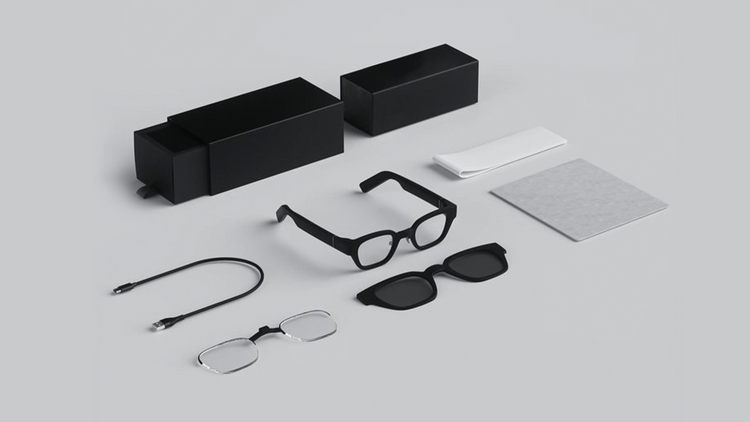
Hearview offers subtitle glasses that display real-time captions directly in your field of vision. For wedding ceremonies and receptions, these glasses can be a discreet and effective way for deaf or hard-of-hearing guests to follow speeches, vows, and conversations without needing a separate screen. The glasses connect to a smartphone app that transcribes speech, making them a flexible tool for various settings. While they are not a replacement for professional interpreters or captioning services, they can complement your accessibility plan—especially for guests who prefer reading captions over sign language. As with any assistive technology, it's best to discuss options with your guests and consult with accessibility professionals for specific needs.
Frequently Asked Questions
Do I need to provide both an ASL interpreter and captioning?
It depends on your guests' preferences. Some deaf individuals use ASL as their primary language, while others rely on captions or lip-reading. Ask your guests what works best for them. If you have multiple deaf guests with different needs, providing both options is ideal.
How can I make wedding music accessible for deaf guests?
Consider the beat and bass of songs—deaf guests can feel vibrations through the floor. You can also provide a visual display of song lyrics or use a tactile sound system that transmits vibrations. For announcements, use visual cues like flashing lights or text notifications.
What about emergency announcements during the reception?
Ensure that emergency information is communicated visually as well as audibly. This could be through a text message to all guests, a flashing light system, or a designated person who will inform deaf guests in person. Work with your venue to include visual alarms if possible.
Conclusion
Making your wedding accessible for deaf and hard-of-hearing guests is about thoughtful planning and open communication. By asking guests about their needs, arranging captioning or interpretation, optimizing seating and lighting, and managing noise, you create an environment where everyone can participate fully. Small efforts—like providing a speech script or using a microphone—go a long way. For an added layer of accessibility, consider tools like Hearview subtitle glasses to deliver real-time captions discreetly. Start your planning early, and your wedding will be a celebration that truly includes everyone.