
Accessible Fitness Classes for Deaf Adults: Captions, Visual Cues, and

Table of Contents
- Understanding Accessibility in Fitness Classes
- Key Features of an Accessible Fitness Class
- Evaluation Checklist for Deaf-Friendly Classes
- The Role of Captions in Workout Classes
- Visual Cues and Instruction Methods
- Safety Signals and Emergency Planning
- Where Hearview Fits: Wearable Captions for Fitness
- Frequently Asked Questions
- Conclusion: Taking the Next Step
Understanding Accessibility in Fitness Classes
Finding a fitness class that meets your needs as a deaf or hard of hearing adult can be challenging. Many group workouts rely heavily on verbal instructions, music cues, and real-time feedback. Without proper accommodations, you may miss important directions or feel disconnected from the class. However, with the right planning and awareness, you can identify classes that offer visual cues, captions, and other accessibility features. This article provides guidance on evaluating and choosing accessible fitness classes, with practical tips for a safe and enjoyable experience.
Key Features of an Accessible Fitness Class
An accessible fitness class for deaf adults typically includes one or more of the following:
- Visual instructions: The instructor demonstrates moves clearly and uses hand signals or visual cues for timing.
- Captions or text displays: Real-time captions on a screen or wearable device show spoken instructions and music cues.
- Good sight lines: The room layout ensures you can see the instructor and any visual aids from any position.
- Written materials: Class schedules, routines, and safety information are available in text format.
- Communication support: Instructors are trained to face the class when speaking and to use clear, simple language.
Evaluation Checklist for Deaf-Friendly Classes
Before joining a class, consider using this checklist to assess its accessibility:
- Does the instructor provide visual demonstrations for each move?
- Are there screens or monitors showing captions or written instructions?
- Is the room well-lit with no obstructions blocking your view?
- Does the instructor use hand signals or countdowns for transitions?
- Are emergency announcements also displayed visually (e.g., flashing lights or text alerts)?
- Can the instructor accommodate requests for additional visual cues?
- Is there a quiet area where you can ask questions before or after class?
The Role of Captions in Workout Classes
Captions can be a game-changer for deaf and hard of hearing participants in fitness classes. They allow you to follow verbal instructions, music beats, and motivational cues in real time. Some studios offer built-in captioning on large screens, while others may use apps or wearable devices. When captions are available, ensure they are accurate and positioned where you can easily see them without straining. For classes without built-in captions, you might consider using a personal captioning device or smart glasses that display speech as text.
Visual Cues and Instruction Methods
Even without captions, many fitness classes can be made accessible through strong visual instruction. Look for instructors who:
- Face the class and maintain eye contact.
- Use exaggerated movements and slow transitions.
- Point to body parts or use numbered counts.
- Provide handouts or diagrams of the routine.
- Offer one-on-one check-ins during class.
Yoga, Pilates, and strength training classes often lend themselves well to visual instruction because movements are deliberate and can be mirrored. Dance or high-intensity interval classes may require more adaptation, but many instructors are willing to adjust if asked.
Safety Signals and Emergency Planning
Safety is paramount in any fitness environment. For deaf and hard of hearing individuals, it's important to know how emergency announcements will be communicated. Ask the studio about:
- Visual fire alarms or strobe lights.
- Text message alerts for emergencies.
- Designated staff who can provide visual instructions during an evacuation.
- Where to find written emergency procedures.
Also, consider your own safety during class: if you cannot hear verbal cues to stop or modify an exercise, rely on visual signals from the instructor or a buddy system. Always inform the instructor of your communication needs before class begins.
Where Hearview Fits: Wearable Captions for Fitness
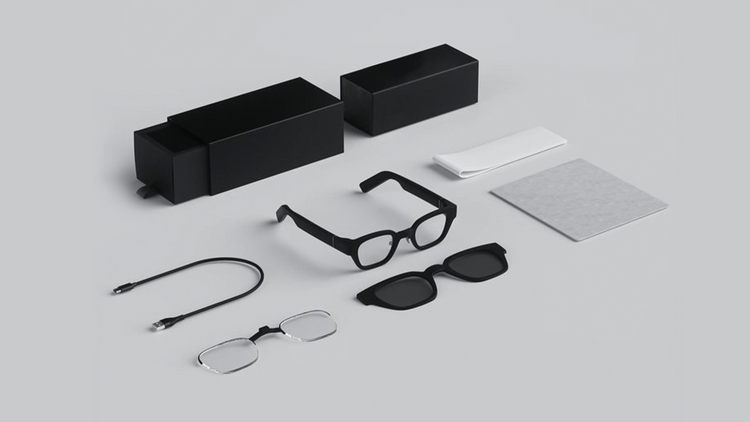
Hearview's subtitle glasses can be a helpful tool for accessing captions in fitness classes that do not have built-in captioning. The glasses display real-time speech-to-text from the instructor's microphone or from ambient audio, allowing you to follow along without looking away from the action. They are designed to be lightweight and unobtrusive, making them suitable for most workout environments. However, they are not a substitute for professional medical advice or for ensuring the class itself has proper visual accommodations. Always test the device in your specific class setting to ensure it meets your needs. For more information, visit the Hearview product page.
Frequently Asked Questions
1. Can I request captions at any fitness class?
Many studios are open to providing accommodations if asked in advance. You can request that the instructor use a microphone connected to a captioning app, or that they provide written summaries of the routine. Some studios may already have captioning systems in place.
2. Are there specific types of fitness classes that are more accessible for deaf adults?
Classes with slower, more deliberate movements—such as yoga, Pilates, or tai chi—tend to be more accessible because they rely less on rapid verbal cues. However, with proper visual instruction and captioning, many class types can be adapted.
3. What should I do if I feel unsafe due to lack of auditory cues?
Speak with the instructor before class to establish visual signals for stopping or modifying exercises. You can also ask a friend to act as a spotter or use a wearable device that alerts you to important sounds. If the class cannot accommodate your safety needs, consider finding a more inclusive option.
Conclusion: Taking the Next Step
Finding accessible fitness classes for deaf adults requires some research and communication, but the effort is worth it for a safe and inclusive workout experience. Start by evaluating classes using the checklist above, and don't hesitate to ask studios about their accommodations. If captions are important to you, consider trying Hearview's subtitle glasses as a portable solution. Remember, your health and enjoyment matter—seek out environments that respect your communication needs.
Ready to explore your options? Check out Hearview's subtitle glasses to see how they can support your fitness journey.