
Auracast vs Hearing Loop for Hearing Loss: Which Access Option Fits Yo

Table of Contents
- Introduction: The Challenge of Hearing in Public Spaces
- What Is a Hearing Loop (Telecoil)?
- What Is Auracast?
- Auracast vs Hearing Loop: Side-by-Side Comparison
- Practical Checklist: Choosing Your Best Option
- Where Hearview Fits: Visual Captions as a Reliable Backup
- Frequently Asked Questions
- Conclusion: Plan Your Access Strategy
Introduction: The Challenge of Hearing in Public Spaces
For individuals with hearing loss, navigating public venues—theaters, places of worship, airports, or conference halls—often means struggling to hear announcements, dialogue, or presentations. Two assistive listening technologies, hearing loops and Auracast, aim to improve audio accessibility. But which one works best for your needs? And what happens when neither is available or sufficient? This guide compares Auracast vs hearing loop for hearing loss, helping you plan your accommodations and know when visual captions can serve as a powerful backup.
What Is a Hearing Loop (Telecoil)?
A hearing loop (also called a telecoil or induction loop) is a wire installed around a room or area that transmits audio directly to hearing aids or cochlear implants equipped with a telecoil. The signal is magnetic, so users simply switch their device to the 'T' setting to hear the audio streamed clearly, without background noise. Hearing loops are common in many public venues, especially in the UK, Scandinavia, and parts of the US, but they require the user to have a telecoil-compatible device and the venue to maintain the system properly.
What Is Auracast?
Auracast is a new Bluetooth broadcast audio technology that allows hearing aids, earbuds, or other receivers to stream audio from a source (like a TV, microphone, or PA system) in public spaces. It works similarly to Wi-Fi but over Bluetooth, enabling multiple users to tune into the same audio stream without pairing. Auracast is expected to become widely available in hearing aids and smartphones starting in 2024–2025. It offers high-quality audio, low latency, and the ability to discover streams via a simple menu. However, it requires compatible hardware and venue installation.
Auracast vs Hearing Loop: Side-by-Side Comparison
| Feature | Hearing Loop (Telecoil) | Auracast |
|---|---|---|
| How it works | Magnetic induction; requires telecoil in hearing aid | Bluetooth broadcast; requires Auracast-compatible device |
| Audio quality | Clear, but can vary with loop installation | High-quality, low-latency digital audio |
| User control | Switch to 'T' setting; limited volume control | Select stream from menu; adjustable volume |
| Venue availability | Widely installed in many countries, especially Europe | Emerging; few venues currently offer it |
| Device compatibility | Hearing aids with telecoil; some cochlear implants | Auracast-enabled hearing aids, earbuds, or receivers |
| Privacy | Signal limited to loop area; no eavesdropping | Stream can be public or private; encryption possible |
| Cost to user | No extra cost if hearing aid has telecoil | May require new hearing aids or receiver |
| Backup option | None if venue lacks loop or device lacks telecoil | None if venue lacks Auracast or device incompatible |
Practical Checklist: Choosing Your Best Option
Use this checklist to decide which technology to rely on for a specific venue or event:
- Check venue equipment: Does the venue advertise a hearing loop or Auracast? Call ahead or check their accessibility page.
- Check your device: Do your hearing aids have a telecoil? Are they Auracast-compatible? If unsure, ask your audiologist.
- Consider your hearing needs: Do you need to hear clearly in noisy environments? Both can help, but loops are proven; Auracast is newer.
- Plan for failures: What if the loop is broken or the Auracast stream is unavailable? Always have a backup plan.
- Think about mobility: Loops are room-bound; Auracast may allow moving around if the signal covers the area.
- Future-proofing: Auracast is expected to become more common; investing in compatible devices may pay off.
Where Hearview Fits: Visual Captions as a Reliable Backup
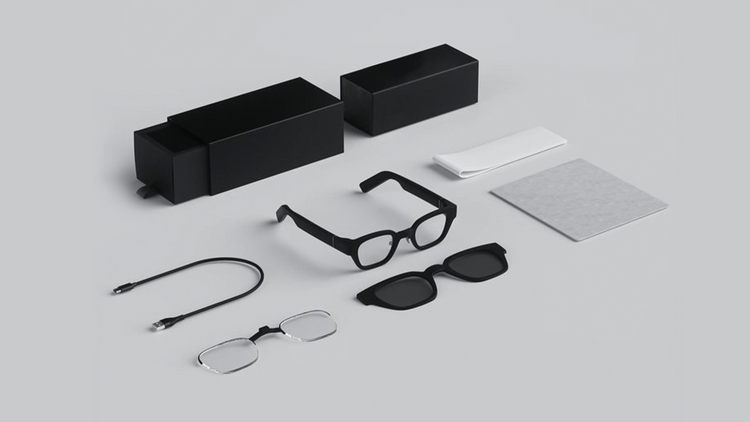
No matter how good Auracast or a hearing loop is, there will be times when the technology isn't available, isn't working, or simply isn't enough. For example, a venue may have a loop but you forgot to switch your hearing aid to 'T', or the Auracast stream has interference. In those moments, having a visual captioning solution like Hearview glasses can be a lifesaver.
Hearview glasses display real-time captions of spoken audio directly in your field of view. They work with a smartphone app that transcribes speech using advanced speech recognition. This means you can follow conversations, lectures, or performances even when assistive listening audio isn't accessible. They are not a replacement for medical treatment or professional hearing care, but they are a powerful accommodation tool for planning your day.
For example, if you're attending a conference that lacks both a loop and Auracast, you can use Hearview glasses to read captions of the speaker's words. Or, if you're in a noisy restaurant, you can discreetly read what your companion is saying. Hearview glasses are designed to be portable, easy to use, and compatible with most smartphones.
Learn more about Hearview subtitle glasses
Frequently Asked Questions
1. Can I use both a hearing loop and Auracast at the same time?
Generally, no. Your hearing aid or receiver can only process one audio stream at a time. However, you can switch between them depending on what's available. Some newer hearing aids may support both technologies, allowing you to choose the best option for each venue.
2. Do I need a special hearing aid for Auracast?
Yes, Auracast requires hearing aids or earbuds that support Bluetooth LE Audio and the Auracast broadcast profile. Many new hearing aids from major manufacturers are beginning to include this feature. Check with your audiologist or hearing aid provider for compatibility.
3. What if a venue has neither a hearing loop nor Auracast?
In that case, you can request accommodations under the Americans with Disabilities Act (ADA) or similar laws in your country. Venues may provide a personal receiver, an FM system, or captioning. Alternatively, you can use your own assistive technology, such as Hearview glasses, to get real-time captions via your smartphone.
Conclusion: Plan Your Access Strategy
Both Auracast and hearing loops offer valuable assistive listening options for people with hearing loss in public venues. Hearing loops are a mature, widely available technology, while Auracast is an emerging standard with high-quality audio and future potential. However, no single technology works everywhere. By understanding the strengths and limitations of each, and by having a visual captioning backup like Hearview glasses, you can confidently navigate any public space.
Remember: Always consult with a hearing healthcare professional for medical advice about your hearing loss. For day-to-day accessibility planning, consider carrying a portable captioning device to ensure you never miss a word.