
Bone Conduction Headphones for Audiobooks With Hearing Loss: A Listeni

If you have hearing loss, enjoying audiobooks can be a challenge. Standard earbuds may block your ears, cause discomfort, or simply not deliver sound clearly. Bone conduction headphones offer a different way to listen—by transmitting sound through your cheekbones, leaving your ears open. But are they right for you? This article provides a practical checklist to help you choose and use bone conduction headphones for audiobooks, with realistic expectations and tips for comfortable listening.
Table of Contents
- How Bone Conduction Works
- Benefits for Audiobook Listening
- The Listening Checklist
- Where Hearview Fits
- FAQ
- Conclusion
How Bone Conduction Works
Bone conduction headphones bypass the outer and middle ear. Instead of sending sound waves through the air, they vibrate your skull and inner ear directly. This can be helpful for people with conductive hearing loss, single-sided deafness, or those who simply prefer not to block their ears. However, they are not a hearing aid and may not help with all types of hearing loss. Always consult a hearing professional for personalized advice.
Benefits for Audiobook Listening
- Open ears: You can hear ambient sounds, which is safer and more comfortable for long sessions.
- Reduced pressure: No ear canal occlusion, which can reduce fatigue and irritation.
- Compatibility: Works with hearing aids if you choose to wear them, though you may need to adjust volume.
- Speech clarity: Some users find bone conduction delivers clear spoken word, especially in quiet environments.
The Listening Checklist
Use this checklist to evaluate bone conduction headphones for audiobooks, especially if you have hearing loss.
1. Comfort for Long Listening
Look for lightweight designs with soft, adjustable bands. Consider the pressure on your temples and cheekbones. Try them for at least 30 minutes to assess comfort. If you wear glasses, ensure they don't interfere.
2. Playback Controls
You'll want easy access to play/pause, skip, and volume controls. Physical buttons are often easier to locate by touch than touchpads. Check if the controls are intuitive and responsive.
3. Realistic Clarity Expectations
Bone conduction sound quality varies. In quiet rooms, speech may be clear, but in noisy environments, it can be challenging. Don't expect audiophile-grade sound; focus on intelligibility. Test with your favorite audiobook narrator.
4. Battery Life and Charging
Long battery life (8+ hours) is ideal for audiobook marathons. Check charging time and whether a quick charge gives you an hour of listening. USB-C is common.
5. Connectivity
Bluetooth 5.0 or newer ensures stable connections. Multipoint pairing lets you connect to your phone and tablet simultaneously. Ensure the range works for your setup.
6. Volume and Tone Adjustment
Some models have companion apps with EQ settings. Boosting mid-range frequencies can improve speech clarity. Also, check maximum volume—but be cautious not to listen too loud, as that can damage hearing further.
7. Listening Breaks
Even with comfortable headphones, take breaks every 30-60 minutes. Rest your ears and eyes. This reduces fatigue and helps maintain focus.
Where Hearview Fits
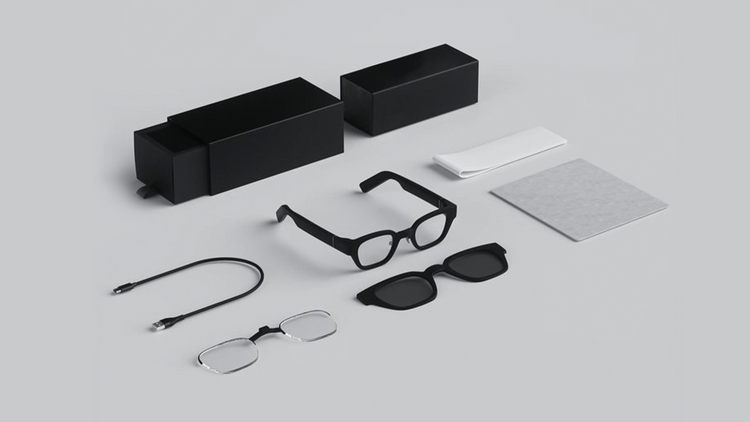
Hearview offers a bone conduction hearing assistive headphone designed with accessibility in mind. It features open-ear comfort, intuitive controls, and long battery life—suitable for audiobook listeners. While it cannot replace professional hearing care, it may be a helpful tool for clearer spoken word. Explore Hearview's bone conduction headphones to see if they meet your needs.
FAQ
Can bone conduction headphones help with all types of hearing loss?
No. They work best for conductive hearing loss or single-sided deafness. For sensorineural loss, results vary. Consult an audiologist to determine if they're suitable for you.
Do bone conduction headphones work with hearing aids?
Yes, you can wear them over hearing aids, but you may need to adjust volume and positioning. Some hearing aids have telecoil settings that can help. Test in a quiet environment first.
Are bone conduction headphones safe for long listening sessions?
Generally, yes, because they don't block the ear canal. However, listening at high volumes can still damage hearing. Follow the 60/60 rule: listen at 60% volume for 60 minutes, then take a break.
Conclusion
Bone conduction headphones can be a valuable tool for audiobook lovers with hearing loss, offering comfort and open-ear awareness. Use this checklist to evaluate your options, and always seek professional guidance for your specific hearing needs. Take a listening break, adjust settings, and enjoy your next audiobook with confidence.
Practice the Communication Plan Before You Need It
A short practice run can reveal gaps that are easy to miss on paper. Choose a low-pressure time, explain the preferred communication method, test the device or written backup, and confirm how the other person should get your attention. Check lighting, distance, background noise, battery level, connectivity, and whether important details can be reviewed in writing. If the situation involves health, employment, travel security, or safety, identify the formal accommodation or trained professional responsible for effective communication; a personal tool is only one layer. Save essential names, questions, account details, and emergency contacts where they can be reached quickly. After the interaction, note what worked and what caused confusion. Adjust the plan rather than assuming the same setup will work everywhere. This rehearsal makes bone conduction headphones for audiobooks with hearing loss more predictable while preserving privacy, choice, and a reliable fallback.
Practice the Communication Plan Before You Need It
A short practice run can reveal gaps that are easy to miss on paper. Choose a low-pressure time, explain the preferred communication method, test the device or written backup, and confirm how the other person should get your attention. Check lighting, distance, background noise, battery level, connectivity, and whether important details can be reviewed in writing. If the situation involves health, employment, travel security, or safety, identify the formal accommodation or trained professional responsible for effective communication; a personal tool is only one layer. Save essential names, questions, account details, and emergency contacts where they can be reached quickly. After the interaction, note what worked and what caused confusion. Adjust the plan rather than assuming the same setup will work everywhere. This rehearsal makes bone conduction headphones for audiobooks with hearing loss more predictable while preserving privacy, choice, and a reliable fallback.