
Bone Conduction Headphones for Cooking with Hearing Loss: Stay Aware i

Cooking is a sensory experience—the sizzle of oil, the hum of the vent, the beep of a timer. For people with hearing loss, those cues can be muffled or missed entirely. You might turn up the volume on your phone to follow a recipe, only to realize you can't hear the kettle whistle or the smoke alarm. It's a frustrating and sometimes unsafe trade-off.
Bone conduction headphones offer a different way. Instead of covering or plugging your ears, they rest on your cheekbones and transmit sound through vibrations. That means you can hear your recipe audio clearly while still picking up ambient kitchen sounds. In this article, we'll explore how bone conduction headphones can help you cook with greater confidence, what to look for, and how to plan for safety—because no device replaces your own attention.
Table of Contents
How Bone Conduction Works
Bone conduction technology bypasses the outer and middle ear. Sound waves are converted into vibrations that travel through your skull bones directly to the inner ear (cochlea). This is different from traditional headphones, which send sound through the air into your ear canal. Because your ears remain open, you can hear both the audio from the device and the sounds around you.
For people with certain types of hearing loss—such as conductive or mixed—bone conduction can be a useful way to receive audio. However, it's not a hearing aid. The National Institute on Deafness and Other Communication Disorders (NIDCD) describes assistive listening devices as context-specific tools. They can help in specific situations, but they don't restore normal hearing. Always consult a hearing professional to understand your specific needs.
Benefits in the Kitchen
Using bone conduction headphones while cooking offers several advantages:
- Open-ear awareness: You can hear the beep of a timer, the hiss of a pressure cooker, or someone calling your name—all while listening to a podcast or recipe instructions.
- Comfort for long sessions: Because they don't sit inside your ear canal, they may be more comfortable for extended wear, especially if you wear hearing aids.
- Reduced volume risk: Since your ears aren't blocked, you might be less tempted to crank the volume to dangerous levels. Still, keep volume at a moderate level.
- Hands-free convenience: Many models have built-in microphones for calls or voice assistants, so you can set timers hands-free.
These features can make following a recipe audio guide or a cooking video much more practical. You can keep your eyes on the stove and your ears on the instructions.
Practical Checklist for Safe Use
Bone conduction headphones are a tool, not a guarantee. Use this checklist to stay safe:
- Keep volume low: Set the volume so you can still hear a normal conversation or a kitchen appliance. If you can't hear the sizzle, it's too loud.
- Use visual alerts: Place a visual timer or a smart display where you can see it. Don't rely solely on audio cues.
- Test your smoke alarm: Make sure you can hear it with your headphones on. If not, consider a strobe-light alarm.
- Take breaks: Remove the headphones occasionally to give your ears a rest and reorient to the room.
- Plan for emergencies: Know where the fire extinguisher is and how to shut off the stove. Practice with your family.
Remember, no device replaces your attention. Always stay present in the kitchen.
Choosing Bone Conduction Headphones
Not all bone conduction headphones are the same. Here's a comparison to guide your choice:
| Feature | Why It Matters | What to Look For |
|---|---|---|
| Fit and comfort | You'll wear them for long periods | Lightweight, adjustable band |
| Battery life | Long cooking sessions | At least 6 hours |
| Water resistance | Kitchen splashes | IP55 or higher |
| Microphone quality | Hands-free calls or voice commands | Noise-cancelling mic |
| Volume control | Easy adjustment | Physical buttons |
Also consider whether you need Bluetooth connectivity for your phone or tablet. Some models offer multipoint pairing, so you can switch between devices.
Where Hearview Fits
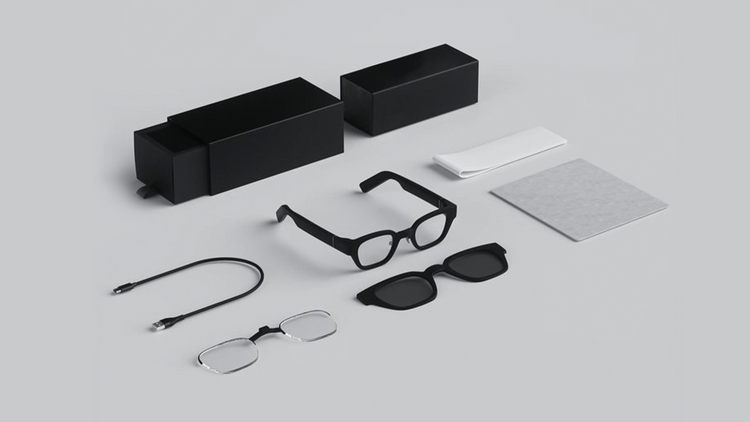
Hearview offers bone conduction headphones designed with accessibility in mind. They are not a medical device, but they can be part of your personal audio setup. If you're looking for a pair to try in the kitchen, consider the Hearview bone conduction headphone. It features an open-ear design, long battery life, and a comfortable fit. As with any assistive listening tool, it's important to test it in your own environment and consult with a hearing care professional to see if it's right for you.
FAQ
Can bone conduction headphones replace hearing aids?
No. Bone conduction headphones are not hearing aids and do not treat hearing loss. They are audio devices that can be used alongside hearing aids or on their own for specific listening tasks. For medical advice, always consult an audiologist.
Will I still hear the kitchen timer with bone conduction headphones?
Yes, because your ears are open, you can hear ambient sounds like timers and appliance alerts. However, the effectiveness depends on your level of hearing loss and the volume of the device. It's wise to use a visual timer as a backup.
Are bone conduction headphones safe to wear while cooking?
Generally, yes, as long as you keep the volume at a safe level and remain aware of your surroundings. They do not block your ears, which is an advantage. However, always follow safety guidelines and never rely solely on headphones for important alerts.
Conclusion
Cooking with hearing loss doesn't mean giving up the joy of following a new recipe or listening to a podcast while you chop. Bone conduction headphones offer a way to enjoy audio without sacrificing awareness. Remember to choose a pair that fits well, keep the volume moderate, and always have visual backups for critical alerts. If you're ready to explore, check out the Hearview bone conduction headphone and see if it fits your routine. And as always, talk to your hearing care provider for personalized advice.