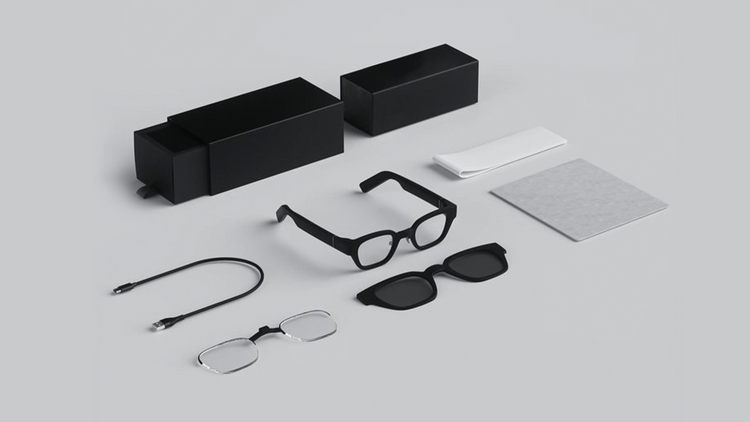

Bone Conduction Headphones for Video Calls: Audio, Captions, and Comfo

If you have hearing loss, video calls can be exhausting. You strain to catch every word, miss parts of conversations, and often feel left out. While captions help, audio quality matters too. Bone conduction headphones offer a unique way to hear clearly without blocking your ears. In this guide, we'll explore how they work, their benefits for video calls, and how to combine them with captions and other strategies for a better experience.
Table of Contents
- What Are Bone Conduction Headphones?
- Benefits for Video Calls
- Choosing the Right Headset
- Combining with Captions
- Microphone and Audio Tips
- Comfort and Fit
- Formal Accommodations
- Where Hearview Fits
- FAQ
- Conclusion
What Are Bone Conduction Headphones?
Bone conduction headphones transmit sound through your cheekbones to your inner ear, bypassing the ear canal. Unlike traditional headphones that cover or plug your ears, these rest on your temples. This open-ear design lets you hear ambient sounds while still receiving audio. For people with hearing loss, especially those with conductive or mixed hearing loss, bone conduction can be a game-changer. However, it's not a medical device and doesn't replace hearing aids or professional care. Always consult an audiologist for personalized advice.
Benefits for Video Calls
Video calls present unique challenges: poor audio, background noise, and lip-reading difficulties. Bone conduction headphones offer several advantages:
- Open ears: You can hear your own voice and surroundings, which helps with natural conversation.
- Comfort: No ear pressure, ideal for long meetings.
- Compatibility: Many models have built-in microphones and work with popular platforms like Zoom, Teams, and Google Meet.
- Hearing aid compatibility: Some users wear hearing aids underneath, though check for interference.
Choosing the Right Headset
When selecting bone conduction headphones for video calls, consider these factors:
- Microphone quality: A good mic ensures your voice is clear to others.
- Battery life: Look for at least 6 hours of talk time.
- Connectivity: Bluetooth 5.0 or newer for stable connections.
- Comfort: Lightweight and adjustable fit.
- Water resistance: Useful if you sweat or get caught in rain.
Compare models side by side, and read user reviews from people with hearing loss. Remember, what works for one person may not work for another.
Combining with Captions
Captions are a powerful tool for video calls. They provide visual text of what's being said, reducing reliance on audio alone. Many platforms offer live captions, such as Zoom's live transcription or Google Meet's captions. You can also use third-party captioning services. Combining captions with bone conduction headphones gives you both visual and auditory input, improving comprehension. For important meetings, consider requesting professional captioning as an accommodation.
Microphone and Audio Tips
To get the best audio experience on video calls:
- Test your mic: Use the platform's audio settings to check your microphone.
- Position the mic: Keep it close to your mouth, but not directly in front of your breath.
- Reduce background noise: Choose a quiet room and use noise-cancelling features if available.
- Adjust volume: Set a comfortable level that doesn't cause distortion.
- Use external mics: Some bone conduction headphones have detachable mics for better clarity.
Comfort and Fit
Comfort is crucial for long video calls. Bone conduction headphones are generally lightweight, but fit matters. Look for adjustable bands and soft ear hooks. If you wear glasses, ensure they don't interfere. Take breaks to rest your temples. Some users experience mild vibration, which is normal. If you feel discomfort, remove them and consult a professional if needed.
Formal Accommodations
In the workplace, you may be entitled to accommodations under laws like the Americans with Disabilities Act (ADA). This can include providing captioning, sign language interpreters, or assistive listening devices. While bone conduction headphones are helpful, they are not a substitute for formal accommodations. Discuss your needs with your employer or HR department. They can work with you to find effective solutions.
Where Hearview Fits
Hearview offers bone conduction headphones designed with accessibility in mind. They feature open-ear comfort, clear audio, and a built-in microphone for calls. While they can enhance your video call experience, they are not a medical device and do not treat hearing loss. For personalized guidance, consult a hearing professional. If you're interested in exploring Hearview's headphones, check them out here.
FAQ
Can bone conduction headphones help with hearing loss?
They can improve sound transmission for some types of hearing loss, but they are not a cure. Always consult an audiologist for proper diagnosis and treatment.
Are bone conduction headphones safe to wear all day?
Generally, yes, but take breaks to avoid fatigue. If you experience discomfort, stop use and seek advice.
Do bone conduction headphones work with captions?
Yes, they work independently of captioning. You can use them alongside live captions for a combined experience.
Conclusion
Bone conduction headphones can be a valuable tool for video calls, especially when combined with captions and good microphone practices. They offer comfort and open-ear awareness, but they are not a replacement for professional care. Start by testing a pair, exploring caption features on your favorite platform, and discussing accommodations with your employer. With the right approach, you can make video calls more accessible and enjoyable.
Practice the Communication Plan Before You Need It
A short practice run can reveal gaps that are easy to miss on paper. Choose a low-pressure time, explain the preferred communication method, test the device or written backup, and confirm how the other person should get your attention. Check lighting, distance, background noise, battery level, connectivity, and whether important details can be reviewed in writing. If the situation involves health, employment, travel security, or safety, identify the formal accommodation or trained professional responsible for effective communication; a personal tool is only one layer. Save essential names, questions, account details, and emergency contacts where they can be reached quickly. After the interaction, note what worked and what caused confusion. Adjust the plan rather than assuming the same setup will work everywhere. This rehearsal makes bone conduction headphones for video calls hearing loss more predictable while preserving privacy, choice, and a reliable fallback.