
Bone Conduction Headphones for Walking Meetings: Test Audio and Awaren

Walking meetings are a fantastic way to combine productivity with movement, fresh air, and a change of scenery. But for professionals with hearing loss, the outdoor environment can present unique challenges: traffic noise, wind, and the need to stay aware of your surroundings while also hearing the person on the other end of the call. Traditional headphones can isolate you from important environmental sounds, creating safety and communication issues. That's where bone conduction headphones come in. They transmit sound through your cheekbones, leaving your ear canals open, so you can hear the call and the world around you. But are they the right choice for your walking meetings? Let's explore.
What Are Bone Conduction Headphones?
Bone conduction headphones use transducers to send vibrations through the bones of your skull directly to your inner ear, bypassing the eardrum. This leaves your ear canals open, allowing you to hear ambient sounds like traffic, conversations, or a colleague approaching. This is different from traditional in-ear or over-ear headphones, which cover or plug the ears, blocking out the environment.
For walking meetings, this open-ear design is a game-changer. You can stay aware of your surroundings, which is crucial for safety when walking near roads or in busy areas. You can also engage in brief side conversations with people you pass without having to remove your headphones.
Benefits for Walking Meetings
If you have hearing loss, bone conduction headphones can offer several advantages for outdoor work calls:
- Environmental Awareness: Keeping your ears open means you can hear oncoming traffic, cyclists, or other potential hazards. This is essential for your safety and the safety of others.
- Comfort for Extended Wear: Many bone conduction models are lightweight and don't put pressure on your ears, making them comfortable for long walks.
- Compatibility with Hearing Aids: If you wear hearing aids, bone conduction headphones can often be worn without removing them, providing a seamless audio experience.
- Clear Speech Transmission: Some models have noise-canceling microphones that reduce wind and background noise, helping the person on the other end hear you clearly.
Limitations and Considerations
While bone conduction headphones are promising, they have limitations:
- Sound Quality: Bone conduction generally offers less bass and lower overall audio fidelity compared to traditional headphones. For music or nuanced audio, they may not be ideal, but for speech, they are usually sufficient.
- Volume Limitations: In very noisy environments, bone conduction headphones may not get loud enough to overcome ambient noise, especially for those with significant hearing loss.
- Fit and Comfort: They need to sit properly on your cheekbones to transmit sound effectively. Some people find them uncomfortable after prolonged use.
- Leakage: At high volumes, sound can leak, so others nearby might hear your audio.
It's important to note that bone conduction headphones are not hearing aids and cannot correct hearing loss. They are audio devices that transmit sound differently. If you have specific hearing needs, consult with an audiologist for personalized guidance.
How to Choose the Right Pair
When selecting bone conduction headphones for walking meetings, consider the following:
- Battery Life: Ensure it lasts for your longest meetings and commutes.
- Microphone Quality: Look for noise-canceling or wind-reducing features to ensure clear calls.
- Water Resistance: Sweat and light rain should not be an issue; look for an IP rating.
- Comfort and Fit: Try them on to see if they sit comfortably and securely.
- Connectivity: Check for Bluetooth multipoint, so you can connect to both your phone and computer.
- Volume and Clarity: Test them in a noisy environment to see if they meet your needs.
Where Hearview Fits In
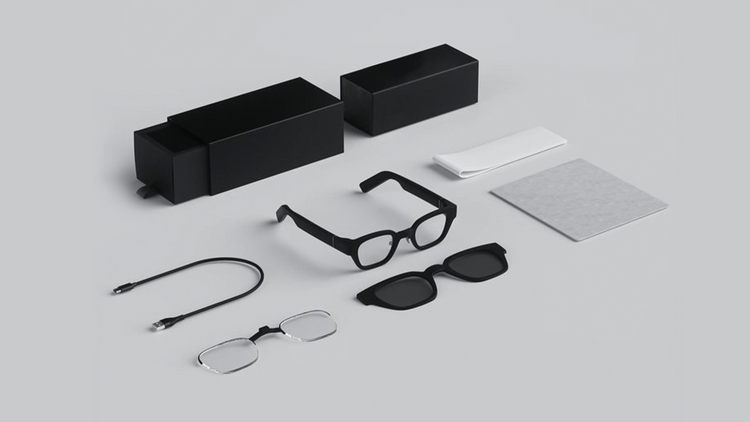
Hearview offers a bone conduction hearing assistive headphone designed with professionals in mind. It combines open-ear comfort with advanced features like noise-reduction microphones and long battery life. While it's not a hearing aid, it can be a valuable tool for walking meetings, providing clear audio and environmental awareness. However, it's essential to evaluate your specific needs and consult with a hearing care professional if you have underlying conditions.
FAQ
Can bone conduction headphones help with hearing loss?
Bone conduction headphones can be used by people with certain types of hearing loss, but they are not hearing aids. They transmit sound via bone vibration, which can bypass some outer or middle ear issues. However, they do not amplify sound or provide the customization of a hearing aid. For hearing loss, it's best to consult an audiologist for a proper assessment and recommendations.
Are bone conduction headphones safe for walking in traffic?
Yes, because they leave your ears open, you can hear ambient sounds like traffic, which is safer than using noise-isolating headphones. However, you should still exercise caution and follow traffic rules. No headphones can replace full attention to your surroundings.
How do I ensure clear audio on a call during a windy walk?
Look for headphones with noise-canceling microphones and wind reduction technology. Position the microphone close to your mouth and speak clearly. Some models have multiple microphones that filter background noise. Testing in different conditions can help you find the best settings.
Conclusion
Bone conduction headphones can be a great companion for walking meetings, offering a balance between staying connected and staying aware. They are not a one-size-fits-all solution, but for many professionals, they provide the freedom to take calls on the move without compromising safety. When choosing, consider your specific hearing needs, the environment, and the features that matter most. And if you're looking for a dedicated option, check out Hearview's bone conduction headphone to see if it fits your lifestyle. Remember to prioritize your hearing health and consult a professional for any medical concerns.