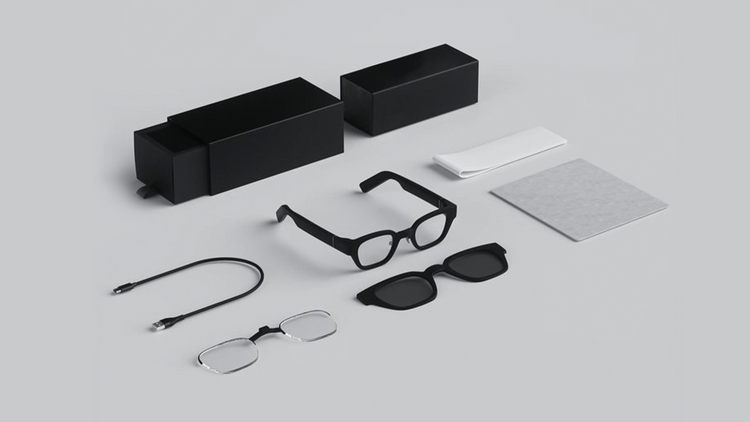

Bone Conduction Headphones for Woodworking: Put Workshop Safety Before

Woodworking is a craft that demands focus, precision, and respect for the tools you use. Many woodworkers enjoy listening to music, podcasts, or audiobooks while they work, but traditional earbuds or over-ear headphones can block out important sounds—like a blade slowing down or a colleague calling out. Bone conduction headphones have become a popular alternative because they leave your ears open. But are they safe for woodworking? The short answer is: it depends on the task, the environment, and your hearing health. This article explores the role of bone conduction headphones in the workshop, their limitations, and how to prioritize safety above all else.
Table of Contents
- What Are Bone Conduction Headphones?
- Benefits and Risks in the Workshop
- When to Use Bone Conduction Headphones
- Hearing Protection and Bone Conduction Limits
- Practical Safety Checklist
- Where Hearview Fits
- FAQ
- Conclusion
What Are Bone Conduction Headphones?
Bone conduction headphones transmit sound vibrations through your skull bones directly to your inner ear, bypassing the eardrum. Unlike traditional headphones that sit over or in your ears, bone conduction models rest on your cheekbones, leaving your ear canals completely open. This design allows you to hear ambient sounds—like a conversation, a warning shout, or the hum of a machine—while still enjoying audio. This open-ear feature is why many people consider them for activities like cycling, running, or working in a shop.
Benefits and Risks in the Workshop
Potential Benefits
- Environmental awareness: You can hear someone calling your name or the sound of a tool malfunctioning.
- Comfort: No ear canal occlusion, which can reduce sweat and pressure during long sessions.
- Compatibility with safety glasses: They don’t interfere with most protective eyewear.
Significant Risks
- No hearing protection: Bone conduction headphones do not block out loud noise. In fact, they add audio on top of the ambient noise, which can increase the overall sound level reaching your inner ear. This can accelerate hearing damage.
- Distraction: Even with open ears, audio can divert your attention away from the task. A sudden loud sound in your audio could startle you, causing a dangerous reaction.
- False sense of safety: Relying on open-ear awareness around machinery is risky. Many workshop hazards are silent or occur too quickly for you to react, regardless of whether your ears are covered.
When to Use Bone Conduction Headphones
If you choose to use bone conduction headphones, it’s crucial to limit their use to low-risk tasks where hearing protection is not required and where ambient noise is not hazardous. Examples might include:
- Sanding by hand or with a low-speed sander (if noise levels are below 85 dB).
- Applying finishes or stains.
- Measuring, marking, or laying out cuts.
- Cleaning up the workshop.
Never use them when operating power tools such as table saws, routers, jointers, planers, or circular saws. These tools generate noise levels that often exceed safe limits and require dedicated hearing protection. Also avoid using them in any situation where you need to concentrate fully on the tool’s sound and vibration.
Hearing Protection and Bone Conduction Limits
Hearing loss from noise exposure is cumulative and irreversible. The National Institute for Occupational Safety and Health (NIOSH) recommends a permissible exposure limit of 85 decibels (dB) over an 8-hour time-weighted average. For every 3 dB increase, the safe exposure time is halved. Many woodworking tools produce noise levels above 90 dB, meaning even short exposures can be harmful.
Bone conduction headphones are not hearing protection devices. They do not reduce the sound pressure level reaching your inner ear. In fact, when you play audio through them, you are adding to the total sound energy. This can push you over safe exposure limits faster than you might expect.
If you need both audio and hearing protection, consider using earmuffs with built-in Bluetooth or inserting earplugs and using bone conduction headphones at a low volume—but only in situations where you can safely do so. However, this combination is not recommended for high-noise tasks because the bone conduction audio still adds to the noise level.
Practical Safety Checklist
Before you put on any headphones in the workshop, run through this checklist:
- Check the noise level: If you need to raise your voice to talk to someone an arm’s length away, the noise is likely above 85 dB. Use hearing protection.
- Assess the task: Is it repetitive, low-speed, and low-risk? If yes, bone conduction headphones might be acceptable. If not, skip them.
- Follow tool rules: Always read the manufacturer’s instructions for your tools. Many explicitly state that you should not wear headphones while operating them.
- Keep volume low: If you do use bone conduction headphones, keep the volume at or below 60% and never use them to drown out loud noise.
- Stay alert: Even with open ears, audio can distract you. If you miss a cue or feel less aware, stop using them immediately.
- Protect your hearing: For any task above 85 dB, use proper hearing protection—earmuffs or earplugs—and leave the audio off.
Where Hearview Fits
Hearview offers bone conduction headphones designed with accessibility in mind. They are not marketed as hearing protection, but as a tool to help people with hearing difficulties enjoy audio while staying aware of their surroundings. In a workshop, they could be useful for low-risk tasks where you want to listen to instructions or a call, but they should never replace standard safety gear.
If you’re considering bone conduction headphones for general use or for specific low-risk workshop activities, check out Hearview’s bone conduction headphones to see if they meet your needs. Remember to always prioritize safety and consult with a hearing professional if you have concerns about your hearing health.
FAQ
Can I wear bone conduction headphones while using a table saw?
No. Table saws generate high noise levels and pose serious injury risks. You should wear proper hearing protection and avoid any audio distractions. Bone conduction headphones do not provide hearing protection and could increase your risk of injury.
Do bone conduction headphones protect my hearing from loud tools?
No. They do not block out sound. They transmit audio through bone, but the ambient noise still reaches your inner ear. In fact, playing audio adds to the overall noise level, which can be harmful.
What is the best way to listen to audio safely in a woodworking shop?
For low-risk tasks, you might use bone conduction headphones at a low volume. For high-noise tasks, use proper hearing protection and do not listen to audio. If you need audio for communication, consider using a two-way radio with a bone conduction microphone and earpiece that is designed for use with hearing protection.
Conclusion
Bone conduction headphones can be a useful accessory for woodworkers, but they are not a safety device. They should only be used during suitable low-risk tasks, and you must always follow the safety rules of your tools and workshop. Preserve your hearing by using proper protection when noise levels demand it, and never rely on open-ear awareness alone to keep you safe around machinery. If you have any doubts about your hearing health, consult a professional. For those interested in exploring bone conduction technology for appropriate situations, consider Hearview’s options, but always make safety your first priority.