
Buying a Car With Hearing Loss: Dealership Communication and Test-Driv

Table of Contents
- Why Planning Matters
- Preparing for the Dealership
- Communication Accommodations Checklist
- During the Test Drive
- Understanding Financing and Contracts
- Where Hearview Fits
- Frequently Asked Questions
- Conclusion
Why Planning Matters
Buying a car is a complex transaction involving detailed discussions about features, pricing, financing, and warranties. For individuals with hearing loss, these conversations can be challenging without proper accommodations. The Americans with Disabilities Act (ADA) requires dealerships to provide effective communication, but proactive planning ensures a smoother experience. This guide offers practical steps to help you communicate clearly, test drive confidently, and secure fair terms.
Preparing for the Dealership
Research Before You Go
Start by researching vehicles online. Look up specifications, pricing, and reviews to narrow your choices. Many dealerships have websites with detailed information, including financing calculators. Print or save screenshots of key details to reference during your visit.
Contact the Dealership Ahead of Time
Call or email the dealership to request accommodations. Explain that you have hearing loss and ask for:
- A quiet area for discussions
- Written summaries of pricing and features
- Captioned videos or visual demonstrations
- A salesperson willing to communicate via text or writing
If you use a sign language interpreter, request one in advance. Dealerships are generally required to provide interpreters under the ADA, but giving notice helps ensure availability.
Communication Accommodations Checklist
Use this checklist during your visit to ensure you receive the communication support you need:
- Written pricing: Ask for an itemized price sheet for the vehicle, including any add-ons or fees.
- Visual demonstrations: Request that features be shown rather than explained verbally.
- Captioned videos: If the dealership uses promotional videos, ask if they have captions.
- Note-taking: Bring a notebook or use a smartphone app to record key points.
- Speech-to-text apps: Use a reliable app to transcribe conversations in real time.
- Interpreter: If you use ASL, confirm the interpreter is present and qualified.
Remember, you have the right to effective communication. If a salesperson is unwilling to accommodate, politely ask to speak with a manager.
During the Test Drive
The test drive is critical for assessing vehicle comfort and handling. With hearing loss, you may need to focus on visual and tactile cues.
Before Driving
- Adjust mirrors and seat for optimal visibility.
- Check that the dashboard lights and indicators are easy to read.
- Ask the salesperson to point out controls for headlights, wipers, and climate.
While Driving
- Pay attention to vibrations from the engine and road.
- Notice how the car handles turns and bumps.
- If the vehicle has a backup camera or parking sensors, test them visually.
After the Drive
Discuss your impressions with the salesperson in writing or using a speech-to-text app. Ask for a written summary of any verbal agreements made during the test drive.
Understanding Financing and Contracts
Financing terms can be confusing, especially when discussed verbally. Protect yourself by insisting on written documentation.
Key Documents to Request
- Purchase agreement: A detailed breakdown of the vehicle price, taxes, and fees.
- Financing contract: The loan amount, interest rate, monthly payment, and total cost.
- Warranty information: Coverage details and exclusions in writing.
Review Before Signing
Take time to read every document. If something is unclear, ask for clarification in writing. Do not feel pressured to sign immediately. You can request to take the documents home to review.
If the dealership uses electronic signatures, ensure the screen displays text clearly and you can adjust font size if needed.
Where Hearview Fits
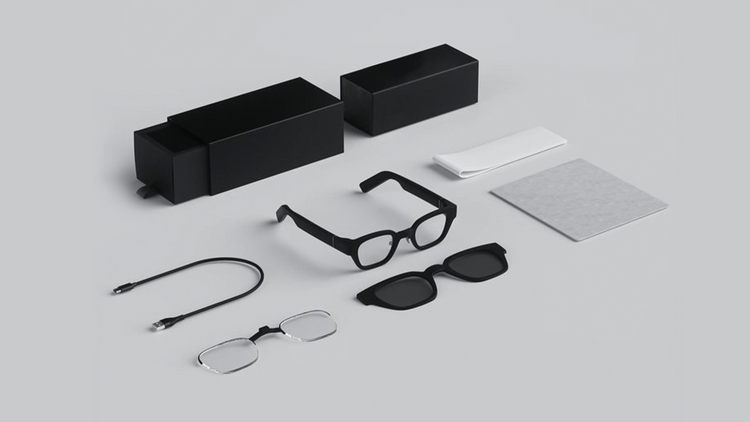
Hearview offers subtitle glasses that display real-time captions from conversations. While not a substitute for professional accommodations, these glasses can provide an additional layer of support during car buying. For example, you can wear them during discussions to read captions of what the salesperson says, helping you catch details you might miss. The glasses work with smartphones and can transcribe speech in quiet to moderately noisy environments. They are a tool to enhance communication, but always rely on written contracts and professional interpreters for critical information.
Frequently Asked Questions
Can I bring a friend or family member to help with communication?
Yes, many people find it helpful to bring a trusted companion to take notes or clarify points. However, the dealership is still responsible for providing effective communication directly to you.
What if the dealership refuses to provide an interpreter?
Under the ADA, dealerships must provide interpreters unless it would cause an undue burden. If refused, you can file a complaint with the U.S. Department of Justice. Consider visiting a different dealership that is more accommodating.
Are there any car features that are especially helpful for drivers with hearing loss?
Look for vehicles with visual alerts for turn signals, door ajar warnings, and low fuel. Backup cameras and blind-spot monitoring systems also provide visual cues. Some cars offer customizable dashboard displays with larger text.
Conclusion
Buying a car with hearing loss is entirely achievable with the right preparation. By researching ahead, requesting accommodations, and insisting on written documentation, you can navigate the process confidently. Remember, you have legal rights to effective communication. Use the checklist in this guide to stay organized, and don't hesitate to advocate for yourself. For an extra layer of support, consider Hearview subtitle glasses to capture real-time captions during conversations. Happy car hunting!