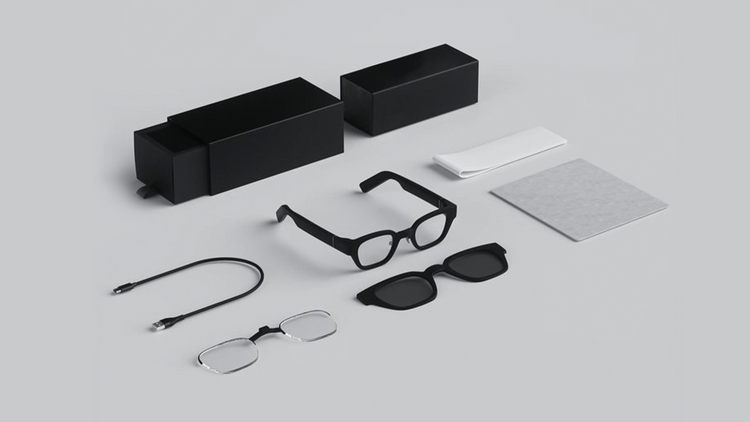

Caption Glasses for Airport Announcements: A Travel Backup Plan

Traveling through a busy airport can be stressful for anyone, but if you have hearing loss, it can be especially challenging. The constant stream of announcements over the PA system, gate changes, and conversations at check-in counters can feel overwhelming. You might miss a crucial update or struggle to understand a ticket agent. Fortunately, technology offers new solutions. Caption glasses, like those from Hearview, can provide real-time speech-to-text captions, acting as a reliable backup to your hearing aids or cochlear implants. This guide explores how caption glasses can help you navigate airports with more confidence and independence.
Table of Contents
- The Challenge of Airport Announcements
- How Caption Glasses Work
- Caption Glasses vs. Other Tools
- Practical Tips for Using Caption Glasses at the Airport
- Where Hearview Fits
- FAQ
- Conclusion
The Challenge of Airport Announcements
Airports are noisy, chaotic environments. PA systems often echo, background music plays, and crowds chatter. For people with hearing loss, understanding announcements can be nearly impossible. Gate changes, boarding calls, and security alerts are often delivered only via audio, leaving you at risk of missing important information. According to the World Health Organization, over 5% of the world's population has disabling hearing loss, yet airports are not always fully accessible. While many airports provide visual displays, they may not always be updated promptly or visible from every seating area. This is where caption glasses can step in as a personal accessibility tool.
How Caption Glasses Work
Caption glasses are wearable devices that use speech recognition technology to convert spoken words into text displayed on a small screen in front of your eyes. They are designed to be unobtrusive, allowing you to see both the real world and the captions simultaneously. Here's a breakdown of their key features:
- Real-time transcription: The glasses listen to conversations and announcements, transcribing them into text with minimal delay.
- Adjustable display: You can often adjust the position, size, and opacity of the captions to suit your preferences.
- Noise reduction: Many models use advanced microphones to focus on the speaker's voice, filtering out background noise.
- Connectivity: Some glasses can connect to your smartphone via Bluetooth, allowing you to use apps for additional features.
For airport use, the key is that they provide a visual backup to audio announcements. You can wear them while waiting at the gate, and if an announcement is made, the captions appear right in your line of sight.
Caption Glasses vs. Other Tools
There are several assistive technologies available for travelers with hearing loss. Here's a comparison to help you understand where caption glasses fit:
| Tool | Pros | Cons |
|---|---|---|
| Smartphone apps (e.g., live captions) | Free or low-cost, widely available | Requires holding phone, may not pick up distant PA |
| Hearing aids with Bluetooth | Direct audio streaming from phones | May not connect to airport PA systems |
| Portable captioning devices | Dedicated device, good for conversations | Extra item to carry, may be bulky |
| Caption glasses | Hands-free, see captions while looking at gate | Requires charging, may be pricey |
Caption glasses offer a unique advantage: they are hands-free and provide captions directly in your field of vision. This means you can keep your eyes on the gate display and still read the announcement text.
Practical Tips for Using Caption Glasses at the Airport
To make the most of your caption glasses while traveling, consider these practical tips:
Before Your Trip
- Charge fully: Ensure your glasses are fully charged the night before your flight. Consider a portable charger for long layovers.
- Update software: Check for any firmware updates to improve speech recognition accuracy.
- Download offline dictionaries: Some apps allow offline use, which can be helpful if you're traveling internationally.
- Practice at home: Familiarize yourself with the controls and display adjustments before you're in a stressful airport environment.
At the Airport
- Arrive early: Give yourself extra time to navigate security and find your gate.
- Position yourself well: Sit near the gate agent's podium or under a speaker to improve the glasses' ability to pick up announcements.
- Use visual cues: Combine captions with visual displays and monitor boards for redundancy.
- Inform airline staff: Let the gate agent know you have hearing loss and may need visual assistance. They can provide written updates or personal notifications.
- Have a backup plan: Keep your smartphone handy with a live captions app as a secondary option.
During Conversations
Caption glasses are also useful for face-to-face conversations at check-in counters or with airline representatives. The glasses can transcribe what the agent says, helping you catch details like seat assignments or baggage policies. Remember to speak clearly and ask the agent to face you when speaking.
Where Hearview Fits
Hearview offers the MyVu Air Subtitle Glasses, designed to provide real-time captions in a stylish, wearable format. These glasses are lightweight and comfortable, making them suitable for long periods of wear during travel. They use advanced speech recognition to transcribe conversations and announcements, and they connect to your smartphone via Bluetooth for easy setup and control.
It's important to note that caption glasses are a helpful tool, but they are not a medical device and do not replace professional hearing care. They are best used as part of a comprehensive accessibility plan. For medical questions or hearing health concerns, always consult a qualified healthcare provider.
If you're interested in exploring caption glasses for your next trip, you can learn more about the MyVu Air Subtitle Glasses on Hearview's website.
FAQ
1. Can caption glasses pick up airport PA announcements?
Caption glasses use microphones to capture audio from the environment. They may pick up PA announcements if you are within range and the audio is clear. However, airport PA systems can be muffled or distorted, so results may vary. It's best to sit near a speaker and combine the glasses with visual displays for reliability.
2. Are caption glasses allowed through airport security?
Yes, caption glasses are electronic devices and can be carried through security. You'll need to place them in a bin for X-ray screening, similar to other electronics. They are not considered medical devices, so no special documentation is required.
3. How do caption glasses handle different accents or languages?
Most caption glasses support multiple languages and can adapt to various accents. However, accuracy may vary. For international travel, check if the glasses support the local language. Some models allow you to switch languages in the companion app.
Conclusion
Traveling with hearing loss requires planning and the right tools. Caption glasses can be a valuable backup for catching airport announcements and understanding conversations. They are not a substitute for professional medical advice, but they can enhance your independence and reduce travel stress. Before your next flight, consider adding caption glasses to your travel kit. Remember to arrive early, inform airline staff of your needs, and use multiple sources of information. With the right preparation, you can navigate airports with confidence.
Ready to explore caption glasses? Check out the MyVu Air Subtitle Glasses to see if they fit your travel needs.