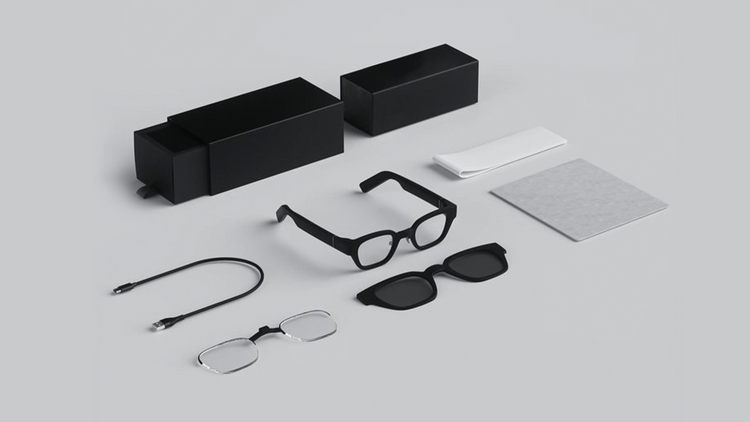

Caption Glasses for Communication Fatigue: Planning Easier Conversatio

If you live with hearing loss, you know the feeling: by mid-afternoon, conversations start to drain you. You strain to catch every word, fill in gaps, and smile through the mental fog. This is communication fatigue—a real and exhausting experience. But there is hope. Caption glasses, like those from Hearview, offer a visual bridge to clearer conversations. In this guide, we’ll explore how caption glasses can ease communication fatigue, and how to plan their use for maximum benefit.
Table of Contents
- What Is Communication Fatigue?
- How Caption Glasses Help
- Planning Visual Support: A Checklist
- Comparing Conversation Tools
- Where Hearview Fits
- Frequently Asked Questions
- Conclusion: Your Next Step
What Is Communication Fatigue?
Communication fatigue is the mental and physical tiredness that comes from the extra effort required to hear and process speech. For people with hearing loss, even simple conversations can demand intense concentration. You might lip-read, guess words, and constantly ask for repetition. This cognitive load adds up, leaving you drained.
According to the National Institute on Deafness and Other Communication Disorders (NIDCD), assistive technology includes tools that help people communicate and participate more fully in daily life. Caption glasses are one such tool. They display real-time captions in your field of vision, reducing the need to strain to hear.
But communication fatigue isn’t just about hearing—it’s about energy management. Planning your conversations and using visual supports can help you preserve energy for the moments that matter most.
How Caption Glasses Help
Caption glasses convert spoken words into text that appears right before your eyes. This visual reinforcement means you don’t have to rely solely on your ears. Here’s how they can reduce fatigue:
- Reduced listening effort: Reading captions is often less tiring than trying to hear every syllable.
- Fewer misunderstandings: You can confirm what was said, reducing the anxiety of missing information.
- More participation: You can stay engaged in group conversations without constantly asking for repeats.
- Better retention: Visual input can help you remember details more easily.
However, caption glasses are not a cure-all. They work best when combined with other strategies, like taking breaks and planning conversations.
Planning Visual Support: A Checklist
To get the most out of caption glasses, plan ahead. Here’s a checklist to integrate them into your daily life:
- Identify high-fatigue situations: Note which settings drain you most—noisy restaurants, meetings, or family gatherings.
- Set realistic expectations: Understand that caption glasses are a tool, not a fix. They work best when you also manage your energy.
- Practice using them: Spend time getting used to the glasses in low-stakes environments.
- Pair with other accommodations: Use them alongside hearing aids, FM systems, or note-taking apps.
- Schedule breaks: Plan short breaks during long conversations to give your brain a rest.
- Communicate your needs: Tell conversation partners about your visual support and ask for their patience.
Comparing Conversation Tools
There are several tools to help with communication fatigue. Here’s a comparison to help you decide:
| Tool | Pros | Cons |
|---|---|---|
| Caption Glasses | Hands-free, discreet, real-time captions | Requires charging, may have a learning curve |
| Smartphone Apps | Widely available, often free | Can be distracting, requires holding phone |
| Hearing Aids | Amplify sound, improve clarity | May not fully address fatigue, need professional fitting |
| FM Systems | Excellent in noisy environments | Requires speaker to wear a microphone |
Each tool has its place. Caption glasses offer a unique combination of portability and visual support.
Where Hearview Fits
Hearview’s caption glasses are designed to be lightweight and easy to use. They display captions from conversations directly in your line of sight, so you can maintain eye contact while reading. This can be especially helpful in one-on-one conversations or small groups.
While Hearview glasses are a promising tool, they are not a medical device. They do not diagnose or treat hearing loss. If you experience hearing difficulties, it’s important to consult a hearing care professional for a comprehensive evaluation and personalized guidance.
To learn more about Hearview’s caption glasses, visit the product page.
Frequently Asked Questions
1. Can caption glasses replace hearing aids?
No. Caption glasses provide visual captions but do not amplify sound. They are a complement to hearing aids, not a replacement. Always consult an audiologist for hearing loss treatment.
2. Are caption glasses suitable for all environments?
They work best in quiet to moderately noisy settings. In very noisy places, accuracy may decrease. Plan accordingly and use other accommodations if needed.
3. How do I know if caption glasses are right for me?
Consider your daily communication challenges. If you often feel fatigued from listening, caption glasses might help. Try them in real situations and see if they reduce your effort. For medical advice, talk to a professional.
Conclusion: Your Next Step
Communication fatigue is a real challenge, but you don’t have to face it alone. By planning your conversations, using visual supports like caption glasses, and taking care of your energy, you can enjoy more fulfilling interactions. Start by identifying one situation where you feel most fatigued, and try using caption glasses there. Remember, professional guidance is always recommended for hearing-related concerns.
Ready to explore caption glasses? Check out Hearview’s MyVu Air Subtitle Glasses and see if they make a difference for you.
Practice the Communication Plan Before You Need It
A short practice run can reveal gaps that are easy to miss on paper. Choose a low-pressure time, explain the preferred communication method, test the device or written backup, and confirm how the other person should get your attention. Check lighting, distance, background noise, battery level, connectivity, and whether important details can be reviewed in writing. If the situation involves health, employment, travel security, or safety, identify the formal accommodation or trained professional responsible for effective communication; a personal tool is only one layer. Save essential names, questions, account details, and emergency contacts where they can be reached quickly. After the interaction, note what worked and what caused confusion. Adjust the plan rather than assuming the same setup will work everywhere. This rehearsal makes caption glasses for communication fatigue more predictable while preserving privacy, choice, and a reliable fallback.