
Caption Glasses for Dental Appointments: Plan Communication Before the

Going to the dentist can be stressful for anyone, but for people with hearing loss, it can be especially challenging. The dental chair is a unique environment: masks muffle speech, tools create loud noises, and you can’t always see the dentist’s face. If you rely on lip reading, a simple cleaning can become a guessing game. Fortunately, caption glasses for dental appointments are emerging as a practical tool to bridge the communication gap. This article explores how they work, what to consider, and how to plan for a smoother dental experience.
Table of Contents
- Why Dental Visits Are Hard for People with Hearing Loss
- How Caption Glasses Help in the Dental Chair
- Planning Your Visit: Questions and Accommodations
- Where Hearview Fits: A Tool, Not a Replacement
- Frequently Asked Questions
- Conclusion: Your Next Step
Why Dental Visits Are Hard for People with Hearing Loss
Dental appointments present a perfect storm of communication barriers. Dentists and hygienists often wear masks, which obscure lip movements and muffle speech. The high-pitched whine of drills and suction devices can mask voices further. Additionally, the patient is often lying down, making it difficult to see the clinician’s face clearly. For those with hearing loss, even with hearing aids or cochlear implants, these conditions can lead to missed instructions, anxiety, and even safety concerns.
Common scenarios where communication breaks down include:
- Understanding post-operative care instructions.
- Giving informed consent for procedures.
- Responding to questions about pain or discomfort during treatment.
- Hearing the dentist’s explanations about X-rays or treatment plans.
How Caption Glasses Help in the Dental Chair
Caption glasses, also known as subtitle glasses or speech-to-text glasses, display real-time captions of what the dentist says directly in your field of vision. They use speech recognition technology to convert spoken words into text, which appears on the lenses. This allows you to read what is being said without relying on lip reading or straining to hear.
For dental appointments, caption glasses offer several benefits:
- Overcome mask barriers: Captions are not affected by masks, so you can understand the dentist even when they are wearing a surgical mask.
- Reduce anxiety: Knowing what is happening reduces uncertainty and helps you feel more in control.
- Improve accuracy: You can confirm instructions and ask questions in real time, reducing the risk of misunderstandings.
- Support informed consent: For complex procedures, reading along can help you fully understand the risks and benefits before agreeing.
It’s important to note that caption glasses are not a medical device and do not replace professional care. They are a communication aid that can enhance your experience when used as part of a broader plan.
Planning Your Visit: Questions and Accommodations
Before your appointment, it’s wise to plan ahead. Here are some steps you can take:
1. Call the Dental Office in Advance
Inform the office about your hearing loss and ask about their communication accommodations. Many offices are willing to make adjustments, such as:
- Using a written summary of the treatment plan.
- Removing masks when speaking (if safe and allowed).
- Providing a quiet room for discussions.
- Allowing extra time for questions.
2. Prepare a Communication Plan
Decide how you will communicate during the appointment. Will you use caption glasses, a smartphone app, or a notepad? Let the dentist know your preferred method. If you plan to use caption glasses, test them beforehand to ensure they are charged and working.
3. Ask About the Procedure
Before the dentist begins, ask them to explain the procedure step by step. This gives you a framework to follow, even if you miss some details.
4. Consider Bringing a Support Person
If possible, bring a family member or friend who can help relay information. This can be especially useful for complex treatments.
Where Hearview Fits: A Tool, Not a Replacement
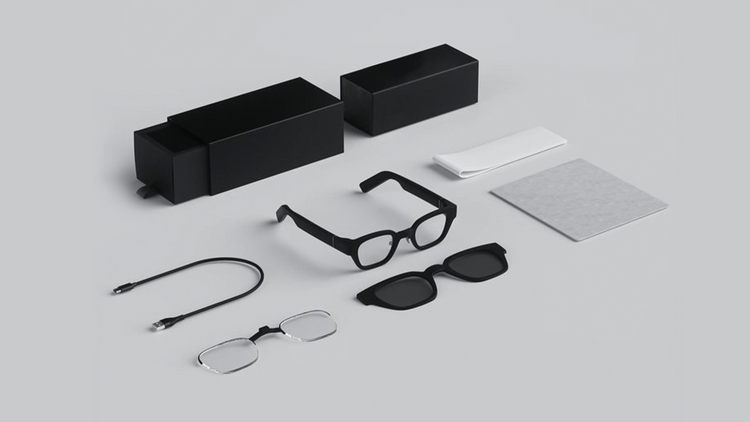
Hearview offers caption glasses that can be used during dental appointments. The MyVu Air Subtitle Glasses are designed to display real-time captions, making it easier to follow conversations in noisy environments. They are lightweight and can be worn over prescription glasses, which is convenient for dental visits.
However, it’s important to be realistic: caption glasses are not a substitute for professional communication support. They work best when combined with other strategies, such as written instructions and a cooperative dental team. Always discuss your needs with your dentist and seek professional medical advice for any health concerns.
Frequently Asked Questions
Q: Can caption glasses be used with hearing aids?
Yes, caption glasses can be used alongside hearing aids. They provide a visual supplement to auditory information, which can be helpful in noisy environments like a dental office.
Q: Will caption glasses work if the dentist is wearing a mask?
Yes, caption glasses rely on speech recognition, not lip reading. As long as the dentist’s speech is clear, the captions will appear regardless of masks.
Q: Are caption glasses a medical device?
No, caption glasses are not medical devices. They are consumer electronics that assist with communication. For medical questions, always consult a qualified professional.
Conclusion: Your Next Step
Dental appointments don’t have to be a source of anxiety. By planning ahead and using tools like caption glasses, you can improve communication and feel more confident. Start by contacting your dentist to discuss your needs, and consider trying caption glasses in a low-stakes setting first. With the right preparation, you can walk into your next appointment ready to understand and be understood.
Practice the Communication Plan Before You Need It
A short practice run can reveal gaps that are easy to miss on paper. Choose a low-pressure time, explain the preferred communication method, test the device or written backup, and confirm how the other person should get your attention. Check lighting, distance, background noise, battery level, connectivity, and whether important details can be reviewed in writing. If the situation involves health, employment, travel security, or safety, identify the formal accommodation or trained professional responsible for effective communication; a personal tool is only one layer. Save essential names, questions, account details, and emergency contacts where they can be reached quickly. After the interaction, note what worked and what caused confusion. Adjust the plan rather than assuming the same setup will work everywhere. This rehearsal makes caption glasses for dental appointments more predictable while preserving privacy, choice, and a reliable fallback.