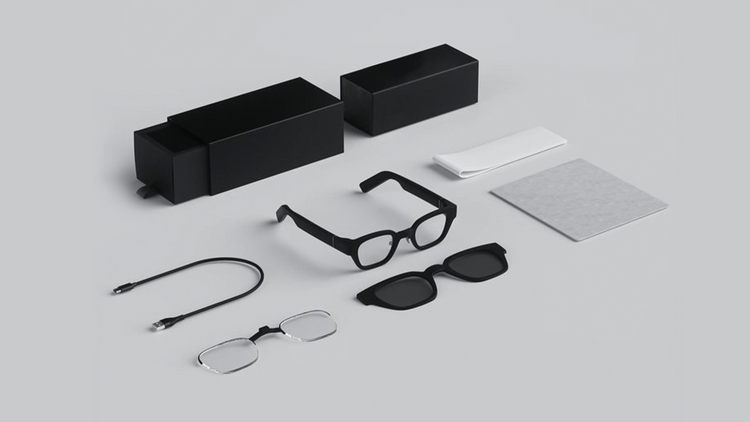

Caption Glasses for Jury Duty Orientation: Plan Communication Access

Receiving a jury duty summons can bring a mix of civic pride and logistical questions—especially if you have hearing loss. Orientation sessions, judge’s instructions, and courtroom proceedings often rely on spoken communication, which can be challenging without proper support. If you’re exploring options like caption glasses for jury duty orientation, you’re already thinking ahead. This article outlines practical steps to ensure you have the communication access you need, from formal accommodations to assistive technology that can complement your plan.
Table of Contents
- Understanding Your Communication Needs
- Formal Accommodations for Jury Duty
- How Caption Glasses Can Help
- Planning Checklist
- Where Hearview Fits
- FAQ
- Conclusion
Understanding Your Communication Needs
Jury duty involves several stages where clear communication is essential. The orientation session typically covers your rights, responsibilities, and the basics of court procedures. Later, you may be asked to listen to witness testimony, attorney arguments, and the judge’s instructions. For individuals with hearing loss, missing key information can affect your ability to serve effectively.
Start by assessing your typical communication preferences. Do you rely on lip reading? Do you use sign language? Are you comfortable with live captions or speech-to-text? Understanding your needs helps you request the most effective accommodations.
It’s also important to note that courtrooms are often large, with acoustics that can be challenging. Background noise, distance from the speaker, and multiple people talking can make listening even harder. Planning ahead ensures you’re not caught off guard.
Formal Accommodations for Jury Duty
Under the Americans with Disabilities Act (ADA), courts are required to provide reasonable accommodations for individuals with disabilities, including hearing loss. This means you can request services such as sign language interpreters, real-time captioning (CART), or assistive listening devices. These accommodations are designed to ensure equal access to court proceedings.
When you receive your jury summons, look for contact information for the court’s ADA coordinator or jury office. Reach out as early as possible—ideally several weeks before your service date. Explain your hearing loss and ask what accommodations are available. Be specific about what you need, such as “I would like a real-time captioning display for the orientation and any court sessions.”
Remember, accommodations are your right, but you must request them in a timely manner. Courts are generally receptive, but they need time to arrange services. If you’re unsure about the process, you can also ask for guidance from the court’s disability services office.
How Caption Glasses Can Help
Caption glasses, like those from Hearview, display real-time captions directly in your field of vision. They can be a valuable tool during jury duty orientation and other proceedings, especially when used in conjunction with formal accommodations.
Here’s how they work: the glasses connect to a smartphone or other device that runs speech-to-text software. The spoken words are transcribed and displayed on the lenses, allowing you to read along while maintaining eye contact with the speaker. This can reduce the need to look down at a separate screen or rely solely on lip reading.
Caption glasses are particularly helpful in situations where you might not have a dedicated interpreter or CART service. For example, during breaks or informal discussions, you can use them to catch conversations that might otherwise be missed. They also offer portability and discretion, which some users prefer.
However, it’s important to note that caption glasses are not a substitute for formal accommodations. They rely on the accuracy of speech-to-text software, which can vary with background noise, multiple speakers, or technical jargon. For critical legal proceedings, you should still request professional services like CART or an interpreter.
Planning Checklist
Use this checklist to prepare for jury duty with hearing loss:
- Request accommodations early: Contact the court’s ADA coordinator as soon as you receive your summons.
- Specify your needs: Clearly state what type of accommodation you require (e.g., CART, interpreter, assistive listening device).
- Test your technology: If you plan to use caption glasses, practice with them beforehand. Ensure your smartphone is charged and the speech-to-text app works in noisy environments.
- Have a backup plan: Bring a notepad and pen, or a portable hearing loop if you have one.
- Inform court staff: On the day of service, remind the bailiff or court clerk about your accommodation request.
- Know your rights: Familiarize yourself with the ADA and your state’s laws regarding jury duty accommodations.
Where Hearview Fits
Hearview offers caption glasses that can be a useful addition to your communication toolkit. While they are not a replacement for formal accommodations, they provide flexibility and convenience. For example, during orientation, you might use the court’s CART service, but for side conversations with fellow jurors, you could rely on your Hearview glasses.
Our glasses are designed to be lightweight and comfortable, with adjustable settings to suit your preferences. They work with popular speech-to-text apps and can be paired with your smartphone via Bluetooth. This makes them easy to use in a variety of settings, including courtrooms.
If you’re considering caption glasses for jury duty orientation, we encourage you to explore Hearview’s MyVu Air Subtitle Glasses to see if they meet your needs. Remember, the best approach is to combine technology with formal accommodations for comprehensive access.
FAQ
Can I use caption glasses during jury duty?
Yes, you can use caption glasses as a personal assistive device, but you should also request formal accommodations from the court. The court may have policies about electronic devices, so check with the jury office in advance.
What accommodations are available for deaf jurors?
Common accommodations include sign language interpreters, real-time captioning (CART), assistive listening devices, and preferential seating. You can request these through the court’s ADA coordinator.
How do I request accommodations for jury duty?
Contact the court’s ADA coordinator or jury office as soon as you receive your summons. Provide documentation of your hearing loss if requested, and clearly describe the accommodations you need.
Conclusion
Jury duty is an important civic responsibility, and hearing loss should not be a barrier to participation. By planning ahead and requesting formal accommodations, you can ensure you have the support you need. Caption glasses like those from Hearview can be a valuable supplement, offering flexibility and convenience. Remember to communicate with court staff, test your technology, and know your rights. With the right preparation, you can serve confidently and effectively.