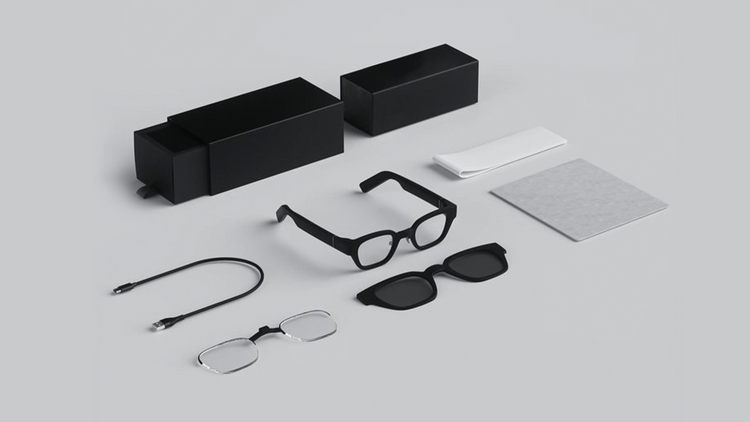

Caption Glasses for Museum Guided Tours: A Practical Access Plan

Museum guided tours are a wonderful way to explore art, history, and culture. But for people with hearing loss, following a docent’s commentary in a moving group can be exhausting. Background noise, echoes, and the constant need to watch the speaker’s face can turn an enjoyable visit into a stressful experience. If you’ve ever left a tour feeling frustrated or disconnected, you’re not alone. Fortunately, modern assistive technology—like caption glasses—offers a new way to stay engaged without missing a word.
Table of Contents
- Why Caption Glasses for Museum Tours?
- The Challenges of Docent-Led Visits
- How Caption Glasses Work
- Planning Checklist for Your Museum Visit
- Caption Glasses vs. Other Access Options
- Where Hearview Fits In
- Frequently Asked Questions
- Conclusion: Your Next Step
Why Caption Glasses for Museum Tours?
Museums are increasingly committed to accessibility, but traditional accommodations like sign language interpreters or audio guides aren’t always available or ideal. Caption glasses—wearable devices that display real-time speech as text in your field of vision—offer a discreet and flexible solution. They allow you to read what the docent is saying while still looking at the exhibits. This is especially helpful in guided tours where the speaker moves around, and you need to keep your eyes on both the art and the interpreter.
The Challenges of Docent-Led Visits
Guided tours are dynamic. Docents walk, point, and speak while leading groups through galleries. For someone with hearing loss, this presents several challenges:
- Acoustics: Large rooms with hard surfaces create echo and reverberation, making speech harder to understand.
- Distance: You may not always be close enough to the docent to lip-read or hear clearly.
- Moving group: You can’t always position yourself optimally without disrupting the group.
- Fatigue: Constant concentration to catch every word can be mentally exhausting.
These issues are common, but with proper planning and the right assistive technology, they can be managed effectively.
How Caption Glasses Work
Caption glasses are wearable devices that connect to a smartphone or a dedicated receiver. They use speech-to-text technology to convert the docent’s spoken words into captions displayed on a small screen or projected onto the lens. Some models also offer audio streaming via Bluetooth, so you can hear the guide directly in your ears if you have residual hearing. The key advantage is that the captions are always in your line of sight, allowing you to look at the artwork while reading the commentary.
Planning Checklist for Your Museum Visit
To make the most of caption glasses on a guided tour, advance planning is essential. Here’s a practical checklist:
- Contact the museum ahead of time: Ask about their assistive listening devices, captioning services, and whether they have a dedicated accessibility coordinator.
- Request a quiet tour: Some museums offer early morning or after-hours tours with reduced noise.
- Test your equipment: If you’re using your own caption glasses, ensure they are fully charged and that the speech-to-text app is working properly.
- Arrive early: This gives you time to connect with the docent, explain your needs, and ask them to face you when speaking.
- Position yourself strategically: Stand near the front but slightly to the side, so you can see the docent’s face and the captions without blocking others.
- Have a backup plan: In case of technical issues, bring a pen and paper or use a smartphone note-taking app.
Caption Glasses vs. Other Access Options
There are several ways to access guided tour content. Here’s a comparison to help you decide:
| Option | Pros | Cons |
|---|---|---|
| Sign Language Interpreter | Rich visual language, personal | Requires advance booking, may not be available for all tours |
| Audio Guide | Self-paced, often free | Not live, may not match docent’s route |
| Live Captioning (phone/tablet) | Portable, uses existing devices | Need to hold device, screen glare, battery drain |
| Caption Glasses | Hands-free, captions in line of sight, discreet | Cost, learning curve, requires charging |
Each option has its merits, but caption glasses offer a unique combination of mobility and convenience for moving tours.
Where Hearview Fits In
Hearview’s subtitle glasses are designed to provide real-time captions in a wearable format. They can be a valuable part of your access toolkit for museum visits. While they are not a medical device and do not replace professional hearing care, they can help you follow conversations more easily in noisy environments. For guided tours, they allow you to read the docent’s words while keeping your hands free and your eyes on the exhibits.
To learn more about Hearview’s caption glasses, visit the Hearview product page.
Frequently Asked Questions
Can caption glasses work outdoors or in bright light?
Most caption glasses are designed for indoor use and may have visibility issues in direct sunlight. For outdoor tours, consider a hat with a brim or use a phone-based captioning app as a backup.
Do I need to have a smartphone to use caption glasses?
Yes, most caption glasses require a smartphone to run the speech-to-text app and connect via Bluetooth. Some models may have built-in processing, but they are less common.
Will caption glasses work with any museum tour?
Caption glasses rely on the docent’s voice being picked up by the microphone. In very quiet environments or if the docent wears a lapel mic, accuracy improves. It’s best to inform the docent about your use of caption glasses so they can speak clearly.
Conclusion: Your Next Step
Caption glasses can transform your museum guided tour experience, but they work best with preparation. Start by contacting the museum to discuss your needs, test your equipment, and arrive with a positive mindset. If you’re considering caption glasses, explore options like Hearview to see if they fit your lifestyle. Remember, accessibility is a journey—plan ahead, advocate for yourself, and enjoy the art.