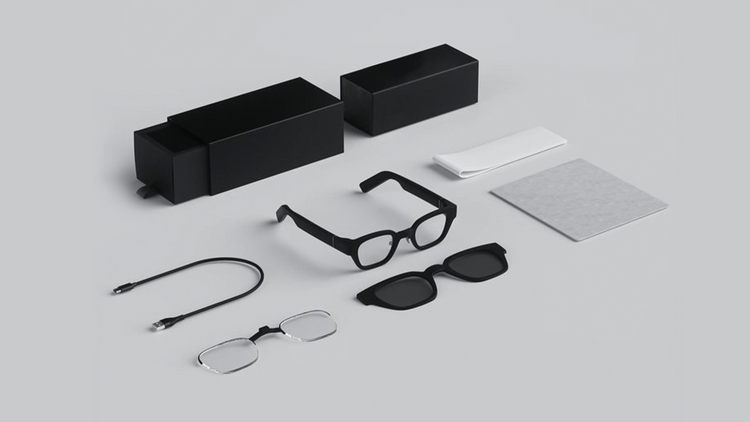

Caption Glasses for One-on-One Conversations: A Simple Setup Checklist

For many people with hearing loss, one-on-one conversations can be surprisingly challenging. While group settings are often overwhelming, a quiet chat with a friend, colleague, or healthcare provider can still be stressful due to missed words, background noise, or the need to constantly ask for repetition. This is where caption glasses for one on one conversations come in—wearable devices that display real-time speech as text in your field of view, allowing you to follow along without breaking eye contact.
However, simply putting on a pair of caption glasses isn't a magic fix. To get the most out of them, you need to set up your environment and interaction for success. This guide provides a practical checklist covering distance, lighting, turn-taking, privacy, and fallback notes—so you can have smoother, more confident face-to-face conversations.
Why Caption Glasses for One-on-One Conversations?
Traditional hearing aids amplify sound, but they don't always help with clarity, especially in noisy environments or when the speaker has an accent or speaks quickly. Real-time captioning—whether on a phone, tablet, or dedicated glasses—provides a visual backup that can fill in gaps. The Americans with Disabilities Act (ADA) recognizes real-time captioning and written communication aids as effective methods for ensuring effective communication. While caption glasses are not a medical device, they are a valuable accommodation for many people with hearing loss.
The benefit of speech to text glasses for personal conversation is that they keep the text right in your line of sight. You don't have to look down at a phone or turn your head to read a screen, which means you can maintain natural eye contact and read facial expressions—crucial for emotional connection and understanding nuance.
The One-on-One Setup Checklist
To maximize the effectiveness of your caption glasses, consider the following factors before and during your conversation. This checklist is based on common user experiences and general principles of assistive technology.
1. Distance and Positioning
- Optimal distance: Sit or stand about 3 to 6 feet apart. This is close enough for the built-in microphone to pick up speech clearly, but far enough to maintain a comfortable personal space.
- Face the speaker: Position yourself so that the speaker is directly in front of you. This helps the microphone capture their voice and also allows you to see their lips and gestures.
- Reduce side noise: Avoid sitting near air conditioners, fans, or busy hallways. If you're in a café, choose a corner table away from the espresso machine.
2. Lighting Conditions
- Good lighting on the speaker's face: Ensure the speaker's face is well-lit, but avoid direct sunlight or harsh backlighting that can create glare on your glasses' display.
- Adjust display brightness: Most caption glasses allow you to adjust brightness and contrast. In bright environments, increase brightness; in dim settings, lower it to reduce eye strain.
- Test in your environment: Before an important conversation, test your glasses in the actual location to see how the display looks under different lighting conditions.
3. Turn-Taking and Conversation Flow
- Establish a signal: Agree on a simple hand signal or phrase to indicate when you need the speaker to slow down or repeat. This reduces frustration and keeps the conversation flowing.
- One person at a time: In a one-on-one setting, this is easier, but still remind the speaker to pause at natural breaks. This gives the captioning a moment to catch up.
- Use visual cues: Nodding and maintaining eye contact are important. The glasses allow you to do this while reading captions, so you don't have to look away.
4. Privacy and Confidentiality
- Be aware of your surroundings: Captions are displayed only on your glasses, so others cannot see them. However, if you are using a companion app that displays captions on a screen, be mindful of who might see it.
- Choose secure environments: For sensitive conversations (e.g., medical, legal), ensure you are in a private space where your conversation cannot be overheard or recorded without consent.
- Check data handling: If your caption glasses use cloud processing, review the privacy policy to understand how your data is handled. Some devices process locally, which may be preferable for private discussions.
5. Fallback Notes and Backup Plans
- Have a backup: Technology can fail. Always have a backup method, such as a smartphone with a note-taking app or a small notepad, to jot down key points.
- Share notes: After the conversation, you can share written notes with the other person to confirm understanding. This is especially useful for appointments or meetings.
- Practice with the person: If possible, do a short practice run with the person you'll be talking to. This helps both of you get used to the pacing and any signals you've agreed on.
Where Hearview Fits
Hearview offers MyVu Air Subtitle Glasses, a pair of caption glasses designed for real-time speech-to-text display. These glasses are lightweight and can be worn over prescription glasses, making them a versatile option for many users. While they are not a medical device and do not replace professional hearing care, they serve as a practical accommodation for daily conversations.
MyVu Air glasses are particularly useful for one-on-one interactions because they provide a clear, adjustable display that can be positioned in your field of view. They also have a long battery life, which is helpful for extended conversations. However, as with any assistive technology, it's important to try them in real situations to see if they meet your needs.
If you're considering caption glasses, we encourage you to explore Hearview's offerings and see if they align with your communication goals. Remember to consult with a hearing specialist for personalized advice.
Frequently Asked Questions
1. Can caption glasses replace hearing aids?
No. Caption glasses are not a medical device and do not amplify sound. They provide visual captions of speech, which can complement hearing aids or cochlear implants. For any medical concerns, please consult a hearing care professional.
2. How accurate are the captions in real-time?
Accuracy depends on several factors, including background noise, speaker clarity, and the quality of the speech recognition engine. In quiet environments with clear speech, accuracy is generally high. However, it's always wise to have a backup method for critical information.
3. Are caption glasses noticeable to others?
Most caption glasses look like regular glasses or slightly bulkier smart glasses. The captions are only visible to the wearer, so others won't see the text. This can help reduce stigma and make conversations more natural.
Conclusion: Your Next Step
Caption glasses for one-on-one conversations can be a game-changer for people with hearing loss, offering a way to stay engaged and connected. By following this simple checklist—managing distance, lighting, turn-taking, privacy, and having a fallback—you can significantly improve your communication experience.
If you're ready to explore caption glasses, consider the MyVu Air Subtitle Glasses from Hearview. They are a practical tool that can help you maintain eye contact and follow conversations with greater ease. Remember, this is not medical advice; always consult with a professional for your specific hearing needs.
Take the next step today: research, try, and see how caption glasses can transform your one-on-one interactions.