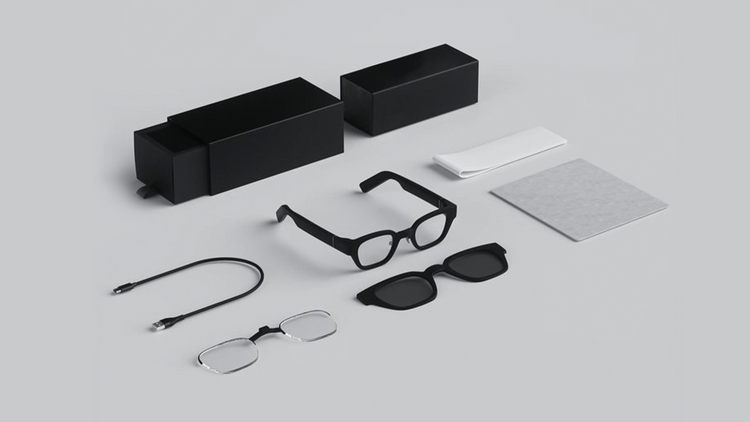

Caption Glasses for Parent-Teacher Conferences: Prepare a Clear Conver

Parent-teacher conferences are important moments to connect with your child's educators, understand their progress, and build a partnership for the school year. But for parents with hearing loss, these short meetings can feel overwhelming. Relying on lip reading, catching fragments of conversation, or asking for repetition can make it hard to fully engage. If you've ever left a conference wondering if you missed something crucial, you're not alone. Fortunately, assistive technology like caption glasses can help you follow the conversation in real time, reducing stress and improving communication.
In this guide, we'll explore how caption glasses can support you during parent-teacher conferences, offer practical planning tips, and help you decide if they're the right tool for your needs. We'll also discuss how to prepare the school and teacher, and answer common questions about using speech-to-text glasses in education settings.
Table of Contents
Why Clear Communication Matters in Parent-Teacher Conferences
Parent-teacher conferences are typically brief—often just 15 to 30 minutes. In that short window, you need to discuss your child's strengths, challenges, and goals. Important information is shared about academic progress, social development, and classroom behavior. If you have hearing loss, missing parts of this conversation can lead to misunderstandings or missed opportunities to support your child.
Many parents with hearing loss rely on lip reading, but this is tiring and imperfect. Teachers may speak quickly, turn to write on a board, or look down at papers. Background noise in a busy school can also make it harder to hear. Even with a hearing aid or cochlear implant, following a fast-paced conversation can be challenging. That's where live captions can help.
Caption glasses display real-time text of what the teacher is saying, directly in your field of vision. This allows you to read and listen simultaneously, filling in gaps and confirming what you heard. For many, this reduces anxiety and helps them stay fully present in the conversation.
How Caption Glasses Work for Live Meetings
Caption glasses, also known as speech-to-text glasses or subtitle glasses, use built-in microphones and speech recognition software to convert spoken words into text. The text appears on the lens, often in a heads-up display, so you can read it without looking away from the speaker. Some models connect to smartphone apps that process the audio and send captions to the glasses.
For a parent-teacher conference, you would typically place the glasses on, start the companion app, and position yourself near the teacher. The glasses pick up the teacher's voice (and yours, if you want to see your own words) and display captions in near-real-time. This can be especially helpful in one-on-one meetings where the audio environment is relatively controlled.
It's important to note that caption accuracy can vary depending on background noise, the teacher's speaking pace, and the quality of the speech recognition. However, for many users, captions provide a valuable supplement to their natural hearing.
Planning Checklist: Before, During, and After the Conference
Preparation is key to making the most of your conference. Here's a practical checklist to help you plan effectively.
Before the Conference
- Test your equipment: If you plan to use caption glasses, test them at home a few days before. Ensure the app is updated, the battery is charged, and you know how to adjust font size and caption speed.
- Inform the school: Let the teacher or school office know about your hearing needs in advance. This is not required, but it can help them make accommodations, such as choosing a quiet room or speaking clearly.
- List your questions: Write down the topics you want to discuss, such as reading progress, homework habits, or social interactions. Having a list helps you stay focused and ensures you cover everything.
- Consider a backup: If you're worried about technology, bring a notepad or a voice recorder (with permission) as a backup. You can also ask a trusted friend or family member to join you.
During the Conference
- Position yourself well: Sit facing the teacher with good lighting. If using caption glasses, make sure the teacher is within range of the microphone.
- Ask for clarity: If you miss something, don't hesitate to ask the teacher to repeat or rephrase. You can say, "I want to make sure I understand—could you say that again?"
- Take notes: Even with captions, jot down key points. This reinforces your memory and gives you a record to review later.
- Use your list: Refer to your prepared questions to ensure you don't forget anything.
After the Conference
- Review your notes: Summarize what was discussed and any action items. If you're unsure about something, send a follow-up email to the teacher.
- Share feedback: If the captions worked well, consider letting the school know. This can encourage them to support other parents with hearing loss.
- Evaluate the experience: Think about what worked and what didn't. Did the glasses help? Would you use them again? Adjust your approach for next time.
Where Hearview Fits: Honest Considerations
Hearview offers caption glasses designed to make conversations more accessible. Their product, the MyVu Air Subtitle Glasses, displays real-time captions on the lens, allowing you to read what others are saying. For a parent-teacher conference, this could be a valuable tool to help you follow the discussion more easily.
However, it's important to have realistic expectations. Caption glasses are not a substitute for professional medical treatment for hearing loss. They are an assistive technology that can support communication, but they may not be perfect in every situation. Factors like background noise, multiple speakers, or rapid speech can affect accuracy. It's always a good idea to test the glasses in different environments and have a backup plan.
If you're considering caption glasses, think about your specific needs. Do you need them for just this meeting, or would you use them in other situations like doctor's appointments or family gatherings? The investment may be worthwhile if you frequently face communication challenges.
To learn more about Hearview's caption glasses, you can visit their product page: MyVu Air Subtitle Glasses. But remember, the best tool is the one that fits your lifestyle and comfort level.
Frequently Asked Questions
1. Are caption glasses accurate enough for a school meeting?
Caption accuracy depends on the technology and the environment. In a quiet room with one speaker, accuracy is generally high. However, background noise or overlapping voices can reduce accuracy. It's wise to test the glasses beforehand and inform the teacher to speak clearly.
2. Do I need to tell the school that I use caption glasses?
It's not mandatory, but it's often helpful. Informing the school allows them to make accommodations, such as providing a quiet space or ensuring the teacher faces you. This can improve the experience for everyone.
3. Can caption glasses replace a sign language interpreter?
No. Caption glasses provide text captions, not interpretation. If you rely on sign language, an interpreter may be more appropriate. Caption glasses are best for those who prefer reading text or want to supplement their hearing.
Conclusion: Your Next Step
Parent-teacher conferences are valuable opportunities to support your child's education. Hearing loss shouldn't prevent you from being fully involved. Caption glasses like Hearview's can help you follow conversations more easily, but they are just one tool in your accessibility toolkit.
Start by evaluating your needs and testing the technology. Talk to the school about accommodations, and prepare your questions in advance. With the right planning and tools, you can walk into your next conference with confidence.
If you're curious about caption glasses, explore the Hearview MyVu Air Subtitle Glasses to see if they might be a good fit for you. And remember, for any medical concerns about your hearing, always consult a qualified professional.