
Caption Glasses With Prescription Lenses: Questions to Ask Before Buyi

If you rely on captions to follow conversations, you may have wondered whether caption glasses can work with your prescription. The short answer is: yes, often they can, but the details matter. Whether you need reading glasses, progressive lenses, or correction for distance, the way a caption display interacts with your vision depends on several factors. This article walks through the key questions to ask before you buy, so you can make an informed choice that fits your eyes and your lifestyle.
Table of Contents
How Caption Glasses Work
Caption glasses are wearable devices that display real-time subtitles of nearby speech. They typically use a small display or projection system built into the frames, showing text within your field of view. The goal is to help people with hearing loss or auditory processing difficulties follow conversations more easily. Unlike traditional hearing aids, caption glasses provide visual access to spoken words.
For people who already wear prescription glasses, the question becomes: can I combine my vision correction with this technology? The answer is often yes, but the implementation varies by brand and model. Some caption glasses offer prescription lens inserts, while others allow you to use your own lenses. Some are designed to be worn over contact lenses, and a few even offer customizable frames that can accommodate prescription lenses directly.
Prescription Options: Inserts, Custom Lenses, and More
When considering caption glasses with prescription lenses, you'll encounter several options. Understanding these will help you ask the right questions.
Prescription Inserts
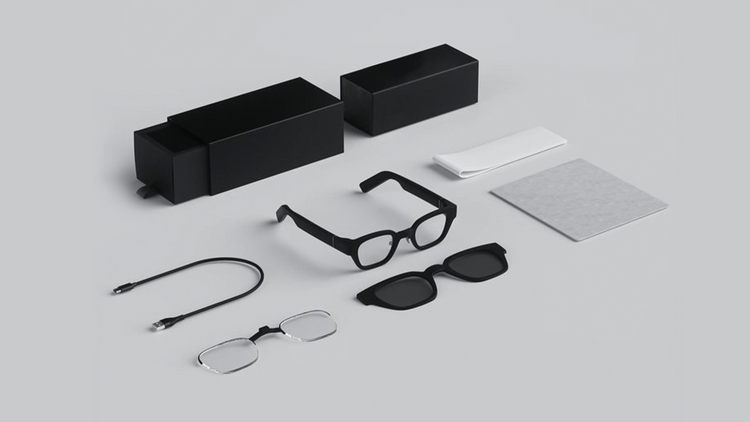
Many smart glasses, including some caption glasses, come with removable magnetic or snap-in prescription inserts. These are thin lenses that fit behind the main display or within the frame. They are typically made from your prescription and can be installed by an optician. Inserts are a popular choice because they allow you to share the glasses with others (by swapping inserts) and they are relatively easy to replace if your prescription changes.
Custom Lenses
Some manufacturers offer frames that can be fitted with custom prescription lenses directly. This means the lenses are ground to your prescription and mounted into the frame, just like regular glasses. This option may provide a more seamless look and potentially a wider field of view, but it also means the glasses are dedicated to your prescription alone.
Over Glasses and Contact Lenses
If you prefer not to modify the caption glasses, you might consider wearing them over your existing glasses (if the design allows) or using contact lenses underneath. Over-glasses designs are less common but exist for some models. Contact lenses are a simple solution, but not everyone can wear them comfortably.
Fit and Comfort: What to Look For
Fit is crucial for any eyewear, but especially for caption glasses that you may wear for extended periods. Here are some factors to consider:
- Weight: Heavier frames can cause discomfort on the nose and ears. Look for lightweight materials like titanium or certain plastics.
- Adjustability: Adjustable nose pads and temple arms can help achieve a custom fit.
- Balance: The added weight of the display and battery should be evenly distributed to avoid pressure points.
- Interference with your prescription: If you wear progressive lenses, the position of the caption display may need to align with your reading zone. Ask about the vertical placement of the display.
When trying on caption glasses, wear them for at least 15 minutes to assess comfort. If you wear progressive lenses, bring your current glasses to compare the viewing zones.
Field of View and Caption Placement
The field of view refers to the area where the captions appear. Some displays are positioned in the upper part of the lens, others in the lower, and some are in the center. Your choice may depend on your daily activities. For example, if you often look down at a table during meetings, a lower placement might be more convenient. If you need to maintain eye contact, a display that doesn't block your central vision is preferable.
Also consider the distance at which the captions appear to be focused. Some displays are designed to be seen at a near distance (like reading a book), while others are set for intermediate or far distances. This can significantly affect clarity if you have presbyopia or other focusing issues. Ask the manufacturer or your optician about the optical design of the display.
Return Policies and Trial Periods
Because caption glasses are a significant investment, it's essential to understand the return policy before purchasing. Look for a trial period that allows you to test the glasses in real-world situations. Ask about restocking fees, return shipping costs, and whether you can return the glasses if they don't work with your prescription. Some companies offer a 30-day money-back guarantee, while others may have more restrictive policies.
If you are buying online, read the fine print. If you are buying from a physical store, ask about their exchange policy. A good return policy gives you peace of mind and allows you to make a decision without pressure.
Professional Vision Advice: Why It Matters
Your eyes are unique, and only an eye-care professional can provide personalized advice on how caption glasses might interact with your vision. Before purchasing, schedule an eye exam and discuss your interest in caption glasses with your optometrist or ophthalmologist. They can measure your pupillary distance, assess your prescription, and advise on the best type of lens or insert for your needs.
They can also help you understand potential issues like astigmatism, presbyopia, or binocular vision problems that might affect your experience. Remember, this article is for informational purposes only and does not constitute medical advice. Always consult a qualified professional for your vision and hearing needs.
Where Hearview Fits
Hearview offers caption glasses designed to make conversations more accessible. While we cannot make medical claims about vision correction, we recognize that many users wear prescription lenses. Our MyVu Air Subtitle Glasses are designed with comfort and adjustability in mind, and we encourage you to explore how they might work with your prescription. We recommend consulting with your optician about the best way to integrate your prescription, whether through inserts or other accommodations. We are committed to helping you find a solution that fits your lifestyle.
Frequently Asked Questions
Can I use caption glasses with progressive lenses?
Yes, but you may need to adjust the position of the display to align with your reading zone. Some models allow you to adjust the vertical position of the display. Consult with your optician to ensure the display is placed correctly for your progressive lenses.
Do I need a prescription to buy caption glasses?
No, you can buy caption glasses without a prescription. However, if you need vision correction, you will need to obtain prescription lenses or inserts separately. The glasses themselves are not prescription eyewear.
Can I use my own prescription lenses with caption glasses?
It depends on the model. Some caption glasses have interchangeable frames that can accommodate standard prescription lenses, while others require specific inserts. Check with the manufacturer or your optician to see if your lenses can be fitted.
Conclusion
Caption glasses with prescription lenses are a viable option for many people, but they require careful consideration. By asking the right questions about fit, field of view, and return policies, and by seeking professional vision advice, you can find a solution that enhances your communication without compromising your vision. Start by researching your options, and don't hesitate to reach out to manufacturers for detailed specifications. Your journey to better accessibility begins with an informed choice.