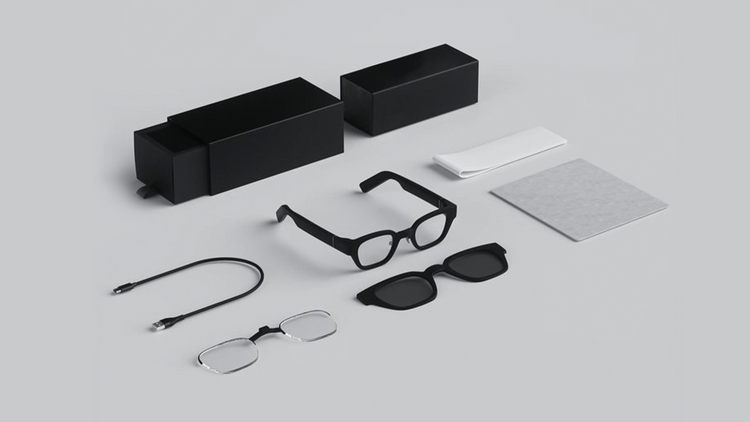

Caption Glasses for Progressive Hearing Loss: Planning a Visual Backup

Table of Contents
- Understanding Progressive Hearing Loss
- How Caption Glasses Work
- Planning for Caption Glasses
- Practical Checklist for Daily Use
- Where Hearview Fits
- Frequently Asked Questions
- Conclusion
Understanding Progressive Hearing Loss
Progressive hearing loss is a gradual decline in the ability to hear sounds and understand speech. Unlike sudden hearing loss, it develops over months or years, often making it challenging to notice changes until communication becomes difficult. For many, hearing aids are the first line of support, but they may not fully restore clarity, especially in noisy environments or when multiple people are speaking. This is where visual backup—like caption glasses—can play a crucial role.
According to the National Institute on Deafness and Other Communication Disorders (NIDCD), assistive devices such as captioning systems can complement hearing aids by providing visual access to spoken words. The American Speech-Language-Hearing Association (ASHA) also recommends aural rehabilitation strategies that include visual cues. Caption glasses are one such tool, offering real-time speech-to-text displayed directly in your field of view.
How Caption Glasses Work
Caption glasses, also known as subtitle glasses or speech-to-text eyewear, use built-in microphones and speech recognition technology to transcribe spoken words into text. The text appears on a small display within the lenses, allowing you to read along while maintaining eye contact. This can be especially helpful for individuals with progressive hearing loss who rely on lip-reading or context but need extra support as their hearing declines.
Key features to consider when planning for caption glasses include:
- Accuracy: Look for devices with high speech recognition accuracy, ideally above 95% in quiet environments.
- Latency: Low latency (under 1 second) ensures captions appear in near real-time.
- Battery life: For daily use, aim for at least 4-6 hours of continuous captioning.
- Connectivity: Bluetooth or Wi-Fi connectivity can enhance performance and allow for firmware updates.
- Comfort: Lightweight frames and adjustable fit are important for extended wear.
Planning for Caption Glasses
Integrating caption glasses into your routine requires thoughtful planning. Here are steps to consider:
1. Assess Your Hearing Needs
Work with an audiologist to understand your hearing loss pattern. Discuss whether caption glasses could be a suitable accommodation alongside your hearing aids. Keep in mind that caption glasses are not a medical device but a tool for accessibility.
2. Identify Key Situations
Think about when you struggle most with understanding speech. Common scenarios include:
- Group conversations at family gatherings or meetings
- Watching TV or movies without subtitles
- One-on-one conversations in noisy cafes or restaurants
- Listening to lectures or presentations
3. Test Before Committing
If possible, try a demo unit or use a return policy to test the glasses in your daily environment. Pay attention to how well they capture different voices, accents, and background noise.
4. Coordinate with Professional Support
Your audiologist or hearing care professional can provide guidance on how to best use caption glasses as part of your overall hearing strategy. They may also have recommendations for settings or adjustments.
Practical Checklist for Daily Use
Use this checklist to prepare for and optimize your experience with caption glasses:
- Charge fully before heading out.
- Update firmware to ensure best performance.
- Adjust microphone position for optimal pickup.
- Pair with hearing aids if possible (some models allow direct streaming).
- Practice in low-stakes environments first, like watching a familiar show.
- Carry a backup power bank if battery life is a concern.
- Inform conversation partners that you are using caption glasses to set expectations.
Where Hearview Fits
Hearview offers a pair of caption glasses designed with accessibility in mind. The MyVu Air Subtitle Glasses provide real-time captions with a focus on accuracy and comfort. They are lightweight, have a long battery life, and can be used in various settings—from quiet conversations to louder environments. While no device is perfect, Hearview's glasses are a practical option for those planning a visual backup for progressive hearing loss. As with any assistive technology, we recommend testing them to see if they meet your specific needs.
Frequently Asked Questions
1. Can caption glasses replace hearing aids?
No, caption glasses are not a replacement for hearing aids or medical treatment. They are an assistive tool that provides visual support. Always consult with a hearing care professional for medical advice and treatment options.
2. Are caption glasses suitable for all types of hearing loss?
Caption glasses can benefit many individuals with hearing loss, but their effectiveness depends on factors like speech recognition accuracy and the user's comfort with reading captions. They are particularly helpful for those who struggle with speech clarity despite using hearing aids.
3. How do I maintain my caption glasses?
Keep the lenses clean, store them in a protective case, and charge the battery regularly. Follow the manufacturer's instructions for software updates and care. If you experience issues, contact customer support for guidance.
Conclusion
Progressive hearing loss doesn't have to mean losing connection with conversations. Caption glasses offer a visual backup that can help you stay engaged. By planning ahead—assessing your needs, testing devices, and coordinating with professionals—you can find a solution that fits your lifestyle. Start by exploring options like the MyVu Air Subtitle Glasses and take the first step toward clearer communication.
Practice the Communication Plan Before You Need It
A short practice run can reveal gaps that are easy to miss on paper. Choose a low-pressure time, explain the preferred communication method, test the device or written backup, and confirm how the other person should get your attention. Check lighting, distance, background noise, battery level, connectivity, and whether important details can be reviewed in writing. If the situation involves health, employment, travel security, or safety, identify the formal accommodation or trained professional responsible for effective communication; a personal tool is only one layer. Save essential names, questions, account details, and emergency contacts where they can be reached quickly. After the interaction, note what worked and what caused confusion. Adjust the plan rather than assuming the same setup will work everywhere. This rehearsal makes caption glasses for progressive hearing loss more predictable while preserving privacy, choice, and a reliable fallback.