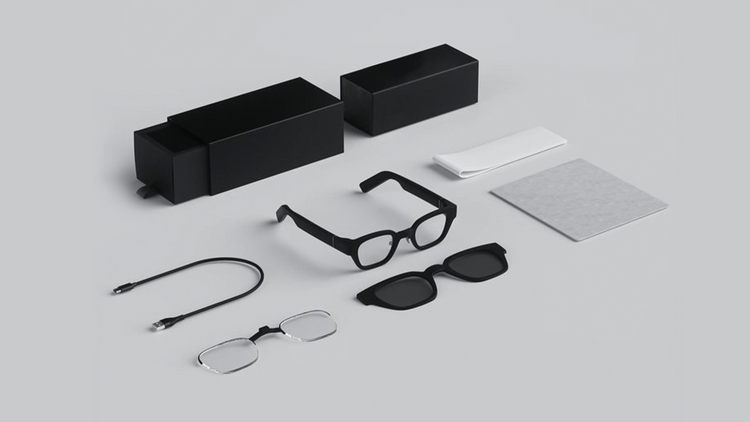

Caption Glasses for Real Estate Open Houses: Track Every Property Deta

Buying a home is an exciting journey, but for individuals with hearing loss, open houses can present unique challenges. Conversations with real estate agents, questions about property details, and discussions with sellers can be difficult to follow, especially in noisy or unfamiliar environments. If you've ever left an open house feeling like you missed crucial information, you're not alone. Fortunately, technology like caption glasses is emerging as a powerful tool to help you stay engaged and informed during property tours.
In this article, we'll explore how caption glasses for real estate open houses can help you track every detail, from the moment you walk through the door to the follow-up questions you might have later. We'll also provide practical tips for planning your house-hunting experience and communicating effectively with real estate professionals.
Why Captions Matter During Open Houses
Open houses are fast-paced events. Agents often walk you through multiple rooms, pointing out features, renovations, and potential issues. They may answer questions from several visitors at once, making it hard to catch every word. For individuals with hearing loss, this can be overwhelming. Missing a key detail—like the age of the roof or the fact that the basement has a sump pump—could lead to surprises after purchase.
Captions provide a visual representation of spoken words, allowing you to read what is being said in real time. This is especially helpful in situations where:
- The agent speaks quickly or has an accent you're not familiar with.
- Background noise from appliances, traffic, or other visitors interferes.
- You're in a large room and the agent is far away.
- You need to take notes but can't look down at a phone while walking.
By using caption glasses, you can follow conversations without constantly asking for repetition or missing out on important information. This empowers you to make informed decisions and enjoy the home-buying process.
How Caption Glasses Work
Caption glasses are wearable devices that display real-time captions of spoken words directly in your field of vision. They typically connect to a smartphone app via Bluetooth, which uses speech recognition technology to transcribe conversations. The captions appear on the lenses, allowing you to read and look at the property simultaneously.
Key features to look for in caption glasses for house hunting include:
- Accuracy: High-quality speech recognition that can handle different accents and moderate background noise.
- Battery life: Long enough to last through multiple open houses or a full day of touring.
- Comfort: Lightweight and adjustable frames that you can wear for extended periods.
- Connectivity: Easy pairing with your smartphone and reliable Bluetooth range.
- Display clarity: Bright, readable text that doesn't obstruct your view.
While caption glasses are not a substitute for professional medical advice or treatment for hearing loss, they can be a valuable accessibility tool for daily communication.
Practical Checklist for an Accessible Open House
To make the most of your open house experience with caption glasses, consider this checklist before, during, and after the tour:
Before the Open House
- Charge your devices: Ensure your caption glasses and smartphone are fully charged.
- Download the app: Install the companion app and test it at home to familiarize yourself with the interface.
- Prepare questions: Write down your top questions about the property, such as age of systems, utility costs, or neighborhood noise.
- Inform the agent: If you're comfortable, let the real estate agent know about your hearing loss and that you'll be using caption glasses. This helps them speak clearly and face you when talking.
During the Open House
- Position yourself strategically: Stand near the agent to improve speech recognition, but not so close that you block others.
- Use the captions for key details: Focus on numbers, dates, and specific terms like "HVAC" or "pergola."
- Ask for clarification: If a caption seems unclear, don't hesitate to ask the agent to repeat or spell out a word.
- Take notes: Use the caption history feature (if available) to review conversations later.
After the Open House
- Review your notes: Go through any saved captions or notes to ensure you didn't miss anything.
- Follow up with the agent: Send an email or text to confirm details and ask any additional questions.
- Plan for the next visit: If you're considering the property, schedule a private tour where you can have more one-on-one time with the agent.
This checklist can help you stay organized and confident throughout your house-hunting journey.
Where Hearview Fits In
Hearview offers caption glasses designed to make conversations more accessible. Their product, the MyVu Air Subtitle Glasses, displays real-time captions on the lenses, allowing you to read what others are saying while maintaining eye contact and awareness of your surroundings. This can be particularly useful during open houses, where you need to navigate rooms, inspect details, and interact with agents and other visitors.
While Hearview's glasses are not a medical device and do not treat or diagnose hearing loss, they can serve as a practical accessibility tool for everyday communication. If you're interested in exploring how caption glasses might support your home-buying experience, you can learn more about the MyVu Air Subtitle Glasses on the Hearview website.
Remember, it's important to consult with a hearing care professional for any medical concerns. Caption glasses are a supplement to, not a replacement for, professional care.
Frequently Asked Questions
Can caption glasses work in noisy environments like open houses?
Caption glasses rely on speech recognition technology, which can be affected by background noise. However, many modern devices are designed to filter out some ambient sounds. For best results, position yourself close to the speaker and minimize other noise when possible. It's also helpful to inform the agent about your use of captions so they can speak clearly.
Are caption glasses covered by insurance or ADA accommodations?
Caption glasses are generally considered consumer electronics, not medical devices, so they are typically not covered by health insurance. However, some workplace or educational accommodations might provide assistive technology. It's best to check with your employer or institution. For open houses, you can request reasonable accommodations from the real estate agent, such as written materials or a quieter tour, but caption glasses are your personal tool.
How do I choose the right caption glasses for house hunting?
Consider factors like battery life, comfort, display quality, and compatibility with your smartphone. Read reviews and, if possible, try them out. Think about your typical usage—if you attend multiple open houses in a day, battery life is crucial. Also, ensure the glasses fit well and don't cause eye strain.
Conclusion: Your Next Step
Open houses should be an opportunity to explore and imagine your future home, not a source of stress. Caption glasses can help you stay engaged, understand every detail, and communicate effectively with real estate professionals. By planning ahead and using the right tools, you can take control of your house-hunting experience.
If you think caption glasses might be a helpful addition to your toolkit, consider researching the MyVu Air Subtitle Glasses to see if they meet your needs. Remember to consult with a hearing care professional for personalized advice. Happy house hunting!