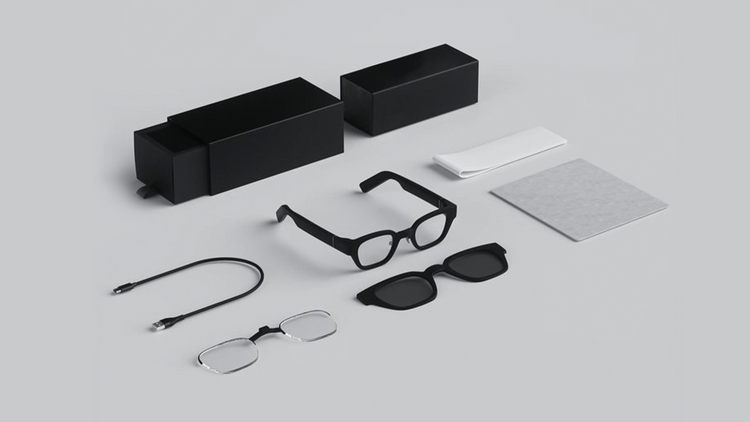

Caption Glasses for Small Group Discussions: What to Check Before You

If you have hearing loss, small group discussions can be some of the most frustrating social situations. While one-on-one conversations are often manageable, adding a few more voices, background noise, and overlapping speech can quickly turn a casual lunch into a stressful guessing game. Many people are turning to caption glasses—wearable devices that display real-time speech as text in your field of view—as a potential solution. But before you rely on them for your next book club, team meeting, or family dinner, there are several important factors to consider.
This article provides a practical checklist to help you evaluate whether caption glasses are right for your small group discussions. We'll cover device capabilities, room setup, and communication strategies, and we'll be honest about what these glasses can and cannot do. Remember, this is general guidance, not medical advice. For specific recommendations about your hearing needs, always consult with a hearing care professional.
Table of Contents
- How Caption Glasses Work in Group Settings
- The Group Discussion Checklist
- Understanding the Limitations
- Where Hearview Fits In
- Frequently Asked Questions
- Conclusion: Your Next Step
How Caption Glasses Work in Group Settings
Caption glasses, also known as smart glasses with speech-to-text, use built-in microphones and speech recognition software to transcribe conversations into text that appears on the lens. They are designed to be portable and unobtrusive, allowing you to follow what is being said without needing to look at a separate screen.
In a small group, the glasses pick up audio from the environment and convert it into captions. However, the accuracy and usefulness depend heavily on several factors:
- Number of speakers: Most speech-to-text systems are optimized for one or two speakers. With three or more people talking, the software may struggle to distinguish voices and may mix up or miss words.
- Background noise: Cafes, restaurants, and even living rooms with TVs or appliances can create significant noise, which reduces transcription accuracy.
- Speaker clarity and accent: Clear, articulate speech is easier to transcribe. Heavy accents, mumbling, or very fast talkers can cause errors.
- Internet connectivity: Many caption glasses rely on cloud-based speech recognition, which requires a stable internet connection. Offline performance may be less accurate.
Understanding these basics helps set realistic expectations. Caption glasses are not a magic solution, but with the right setup and communication strategies, they can be a valuable tool.
The Group Discussion Checklist
Before you rely on caption glasses for a small group discussion, go through this checklist. It covers device preparation, room setup, and communication norms.
Device Preparation
- Fully charged and updated: Ensure your glasses are charged and have the latest software updates. A dying battery or outdated app can cause glitches.
- Test in advance: Try the glasses in a similar environment before the actual discussion. This helps you understand their strengths and weaknesses.
- Check internet connection: If your glasses require Wi-Fi or cellular data, verify the connection is strong in the meeting location.
- Adjust display settings: Customize text size, color, and position to your comfort. You want the captions to be readable without blocking your view.
Room Setup
- Seating arrangement: Sit in a position where you can see the faces of all speakers. This helps with lip-reading and non-verbal cues, which complement captions.
- Lighting: Ensure the room is well-lit, especially on the speakers' faces. Avoid backlighting, which creates silhouettes.
- Minimize background noise: Choose a quiet location. Turn off TVs, close windows, and avoid areas with loud HVAC systems.
- Microphone placement: If your glasses have an external microphone option, place it closer to the primary speakers. Some glasses allow you to connect an external mic.
Communication Strategies
- Establish turn-taking: Ask group members to speak one at a time and avoid interruptions. This is not only polite but also improves caption accuracy.
- Use names: Encourage speakers to address each other by name. This helps the speech recognition software attribute captions correctly.
- Repeat or rephrase: If you miss something, don't hesitate to ask for repetition. You can say, "I didn't catch that, could you repeat?"
- Share the technology: Let others know you are using caption glasses. They can be more mindful of speaking clearly and one at a time.
This checklist is a starting point. The goal is to create an environment where the technology can work effectively, not to rely on it as a sole solution.
Understanding the Limitations
While caption glasses are impressive, they have limitations that you should be aware of before using them in critical discussions.
Accuracy in Group Conversations
Speech-to-text technology has improved dramatically, but it still struggles with overlapping speech, multiple speakers, and heavy accents. In a group of four or more, the error rate can increase significantly. You may see misheard words or missing sentences, which can lead to misunderstandings.
Latency
There is often a slight delay between when a word is spoken and when it appears on the display. This can be disorienting, especially in fast-paced conversations. You might find yourself waiting for captions rather than actively listening.
Battery Life and Comfort
Wearing glasses for extended periods can cause fatigue, especially if you already wear prescription glasses. Battery life may also be limited, so long discussions might require a backup power source.
Not a Substitute for Professional Care
Caption glasses are assistive tools, not medical devices. They do not restore hearing or treat hearing loss. If you have not had a recent hearing test, it is advisable to see an audiologist. They can recommend appropriate accommodations, which may include hearing aids, cochlear implants, or other assistive listening devices.
Where Hearview Fits In
Hearview offers a pair of caption glasses designed to provide real-time subtitles for conversations. The MyVu Air Subtitle Glasses are lightweight and display captions directly on the lens, aiming to make group interactions more accessible.
These glasses are best suited for one-on-one conversations or small groups where speakers take turns. They can be a helpful addition to your communication toolkit, but they are not a replacement for other accommodations. For formal settings like workplace meetings or legal proceedings, you may still need professional CART (Communication Access Realtime Translation) services or a human interpreter.
When considering Hearview glasses, think about your specific needs. Do you often find yourself in small group settings where you miss out? Are you comfortable with technology? Do you have a reliable internet connection? If yes, these glasses might be worth trying. However, always approach with realistic expectations and combine them with good communication practices.
Frequently Asked Questions
Can caption glasses handle multiple speakers at once?
Most caption glasses are optimized for one or two speakers. In a group, they may struggle to distinguish voices and may produce inaccurate captions. It's best to encourage turn-taking to improve accuracy.
Are caption glasses suitable for all hearing loss levels?
Caption glasses can help individuals with various levels of hearing loss, but they are not a medical solution. They are best used as a supplement to other strategies. For severe or profound hearing loss, you may need additional accommodations. Always consult with a hearing care professional for personalized advice.
Do caption glasses work without an internet connection?
Some models have offline capabilities, but accuracy may be lower. Most rely on cloud-based speech recognition, so a stable internet connection is recommended for best performance.
Conclusion: Your Next Step
Caption glasses can be a valuable tool for small group discussions, but they are not a one-size-fits-all solution. By using the checklist above, you can prepare your device and environment to maximize their effectiveness. Remember to communicate openly with your group and set realistic expectations.
If you're curious about trying caption glasses, consider exploring the Hearview MyVu Air Subtitle Glasses. They offer a modern approach to real-time captions. But before making a purchase, we encourage you to consult with a hearing care professional to discuss your specific needs and explore all available options.
Your next step is to test the glasses in a real group setting. Invite a few friends over, use the checklist, and see how they work for you. With the right preparation, you can participate more fully in the conversations that matter.