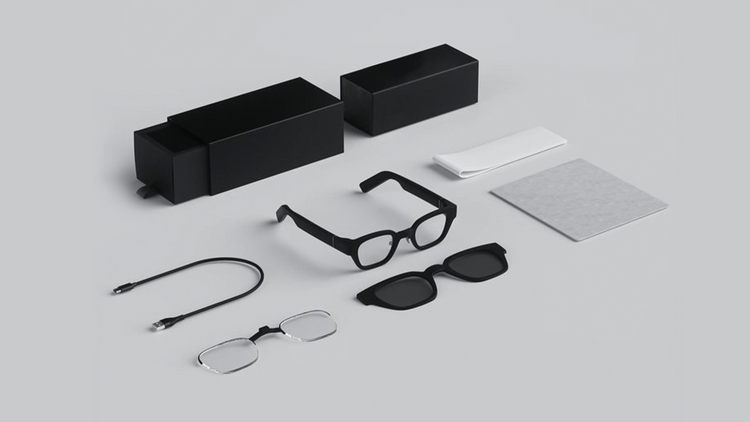

Caption Glasses for Town Hall Meetings: Plan for Public Comments and S

If you have hearing loss, town hall meetings can feel like a mix of opportunity and frustration. You want to hear the proposals, understand the public comments, and maybe even speak yourself. But when the room is large, the speaker changes quickly, or people talk over each other, you might miss key parts. Caption glasses for town hall meetings are one tool that can help you follow along more easily. This article explains how they work, how to plan for them, and what to consider when using them in a civic setting.
Table of Contents
- Why Town Hall Meetings Are Hard for People with Hearing Loss
- How Caption Glasses Can Help
- Planning for Public Comments and Side Conversations
- Requesting Accommodations: What to Know
- Where Hearview Fits
- FAQ
- Conclusion
Why Town Hall Meetings Are Hard for People with Hearing Loss
Town hall meetings are often held in large rooms, community centers, or even outdoors. The acoustics are rarely ideal. There may be background noise from fans, projectors, or people shifting in their seats. Speakers may not use a microphone consistently, and they might face away from the audience while pointing at a slide. Public comment periods can be especially challenging because each speaker has a different voice volume, pace, and accent. Side conversations among officials or neighbors can add another layer of difficulty.
For people with hearing loss, these factors can make it hard to catch every word. Even with hearing aids, the listening effort can be exhausting. You might leave the meeting feeling frustrated, unsure if you caught all the details, or hesitant to participate fully.
How Caption Glasses Can Help
Caption glasses are wearable devices that display real-time captions in your field of vision. They connect to a smartphone app that uses speech recognition to convert spoken words into text. The text appears on the lenses, so you can read what is being said while still looking at the speaker or the room.
For town hall meetings, caption glasses can be useful in several ways:
- Following public comments: When multiple people speak, the glasses can display captions of the current speaker, helping you keep up with the content.
- Understanding side conversations: If officials or neighbors talk quietly, the glasses might pick up their speech and show it as text, though this depends on the microphone and the app's ability to focus on the right speaker.
- Reducing listening fatigue: Reading captions can be less tiring than straining to hear, allowing you to stay engaged for longer.
- Supporting your own speaking: When you give a public comment, you can use the glasses to read your notes or even see a live transcription of your own words, helping you stay on track.
Planning for Public Comments and Side Conversations
Using caption glasses effectively at a town hall meeting requires some planning. Here is a practical checklist to consider before you go:
- Charge your glasses and phone: Make sure your device has enough battery for the entire meeting, plus extra time for delays.
- Download the app and test it: Practice using the speech-to-text feature at home or in a café to get comfortable with the interface.
- Check the meeting format: Look at the agenda online. Will there be a public comment period? Are speakers required to use a microphone? Knowing the format can help you anticipate challenges.
- Arrive early: Choose a seat that gives you a good view of the speakers and reduces background noise. If possible, sit near the front or in a quieter area.
- Plan for side conversations: If you want to catch what officials are saying to each other, you may need to sit closer to them. However, be aware that the app might pick up multiple voices, so you may need to adjust the microphone focus or use a directional microphone accessory if available.
- Have a backup: Consider bringing a notepad or a friend who can help fill in gaps if the technology fails.
Requesting Accommodations: What to Know
Under laws like the Americans with Disabilities Act (ADA) in the U.S., public meetings are generally required to provide reasonable accommodations for people with disabilities, including hearing loss. This might include sign language interpreters, real-time captioning (CART), or assistive listening devices. You have the right to request these accommodations, but it is important to do so in advance.
Caption glasses are a personal device, so you can use them without requesting an accommodation. However, if you need the meeting to provide something like a microphone for the captioning app to pick up better, you might want to ask. For example, you could request that speakers use a lapel microphone or that the room have a sound system that connects to your phone via Bluetooth.
When requesting accommodations, be specific about your needs. For instance, you might say, "I have hearing loss and use a speech-to-text app on my phone. Could you ensure that all speakers use a microphone that transmits to the sound system?" This helps the organizers understand how to support you.
Remember, accommodations are meant to ensure equal access. It is always a good idea to contact the meeting organizers ahead of time to discuss what you need. If you are unsure about the process, you can reach out to your local disability rights organization for guidance.
Where Hearview Fits
Hearview offers caption glasses that can be a helpful tool for town hall meetings. The MyVu Air Subtitle Glasses display real-time captions from the Hearview app, which uses speech recognition to transcribe conversations. They are designed to be lightweight and portable, so you can wear them comfortably for extended periods.
While caption glasses can be a great aid, they are not a substitute for professional accommodations like CART or interpreters. They work best when you have a clear audio source and a relatively quiet environment. In a noisy town hall, you might need to experiment with the placement of your phone or use an external microphone to improve accuracy.
If you are considering caption glasses for civic meetings, it is important to try them in different settings to see how they perform. You can learn more about the MyVu Air Subtitle Glasses by visiting the product page: MyVu Air Subtitle Glasses.
FAQ
Can caption glasses be used in a town hall meeting without special permission?
Yes, caption glasses are a personal device, so you can use them without asking for permission. However, if you need the meeting to adjust something, like ensuring a microphone is used, it is best to request that as an accommodation.
Will caption glasses work if there are multiple speakers?
It depends on the app and the microphone. Many speech-to-text apps can be set to focus on the primary speaker, but in a room with multiple voices, accuracy may decrease. You might need to position your phone closer to the speaker or use a directional microphone.
Are caption glasses a replacement for CART or sign language interpreters?
No, caption glasses are a personal tool and may not be as accurate or comprehensive as professional services like CART or interpreters. They can be a helpful supplement, but for important meetings, you may want to request formal accommodations as well.
Conclusion
Town hall meetings are an important part of civic participation, and hearing loss should not be a barrier. Caption glasses can help you follow public comments, catch side conversations, and reduce listening fatigue. By planning ahead, testing your device, and requesting accommodations when needed, you can make the most of these meetings.
Your next step is to try caption glasses in a low-stakes setting, like a community event or a small meeting, to see how they work for you. If you find them helpful, consider using them at your next town hall. And if you have questions about your rights or accommodations, don't hesitate to reach out to the meeting organizers or a local advocacy group.