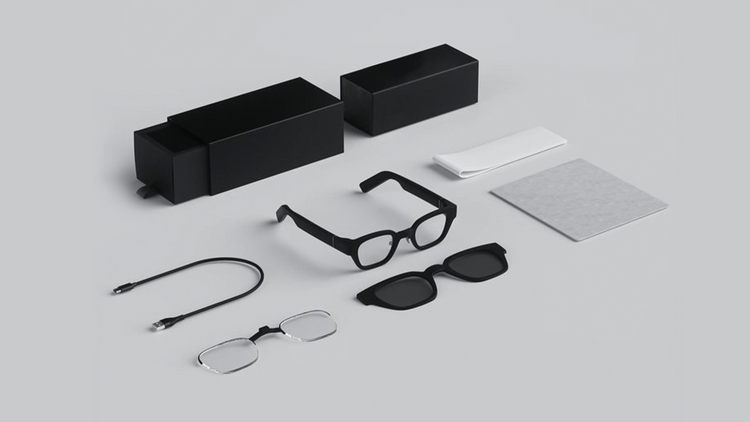

Caption Glasses for Unfamiliar Accents: A Practical Conversation Guide

Have you ever found yourself nodding along in a conversation while inwardly struggling to catch every word? When you have hearing loss, understanding unfamiliar accents can be especially challenging. Regional dialects, international English varieties, or even a fast-talking colleague can turn a simple chat into a guessing game. But what if you could read the words as they're spoken? Caption glasses for understanding unfamiliar accents are emerging as a discreet, personal tool to bridge that gap. In this guide, we'll explore how they work, how to use them effectively, and what to consider before trying them.
Table of Contents
- The Challenge of Unfamiliar Accents
- How Caption Glasses Work
- Practical Checklist for Using Caption Glasses
- Caption Glasses vs. Other Solutions
- Where Hearview Fits In
- FAQ
- Conclusion
The Challenge of Unfamiliar Accents
Accents can affect how we perceive speech sounds. For someone with hearing loss, the brain already works harder to fill in missing auditory information. When an accent changes vowel sounds, rhythm, or stress patterns, the cognitive load increases. Even with hearing aids or cochlear implants, understanding a thick Scottish brogue or a rapid-fire New Yorker can be exhausting. This is not just about missing a word here and there; it's about the mental fatigue that comes from constantly straining to understand.
In professional settings, this can lead to misunderstandings, missed instructions, or feeling left out of conversations. Socially, it might cause you to withdraw from gatherings where you anticipate accent challenges. The good news is that visual text can serve as a reliable backup, giving your brain a second pathway to comprehension.
How Caption Glasses Work
Caption glasses are wearable devices that display real-time transcriptions of speech directly in your field of vision. They typically connect to a smartphone app via Bluetooth, which uses speech recognition technology to convert spoken words into text. The text appears on the lenses, allowing you to read while maintaining eye contact. This is particularly useful for conversations where you need to see facial expressions and body language, which are also important for communication.
While speech-to-text technology is not perfect, it has improved significantly. For unfamiliar accents, the accuracy may vary, but many users find that even partial captions help them follow the gist of the conversation. Some devices allow you to adjust font size, text position, and even highlight keywords.
Practical Checklist for Using Caption Glasses
If you're considering caption glasses for conversations with unfamiliar accents, here's a practical checklist to get the most out of them:
- Test in different environments: Try the glasses in quiet settings first, then gradually introduce background noise. This helps you understand their limitations.
- Adjust settings: Customize text size, color, and position to suit your comfort. Some apps allow you to save profiles for different situations.
- Use with other strategies: Combine captions with lip reading, asking for clarification, or using a remote microphone if needed.
- Inform conversation partners: Letting others know you're using captions can reduce awkwardness and encourage them to speak clearly.
- Practice patience: Speech recognition for accents may have a learning curve. The more you use the glasses, the better you'll understand their quirks.
Caption Glasses vs. Other Solutions
There are several ways to get live captions, each with pros and cons. Here's a quick comparison to help you decide what might work best for you:
| Solution | Pros | Cons |
|---|---|---|
| Caption Glasses | Hands-free, discreet, maintains eye contact, portable | Cost, battery life, accuracy with heavy accents |
| Smartphone Apps | Low cost, widely available | Requires looking at screen, less discreet, may miss visual cues |
| Remote CART (Communication Access Realtime Translation) | Highly accurate, professional captioner | Requires internet, may have delay, not always available |
| Interpreter | Human nuance, can clarify | Costly, scheduling, may not be needed for casual chats |
As you can see, caption glasses offer a unique balance of convenience and discretion. They are not a replacement for professional accommodations like CART or interpreters, but they can be a valuable personal tool.
Where Hearview Fits In
Hearview offers a range of caption glasses designed to support everyday conversations. The MyVu Air Subtitle Glasses are lightweight and feature real-time captioning that can help you follow along when accents are tricky. While they are not a medical device, they can serve as a personal backup, giving you more confidence in social and professional settings.
It's important to note that caption glasses are not a substitute for professional guidance. If you have hearing loss, you should consult with an audiologist or hearing healthcare professional to explore all available options. They can help you determine if caption glasses are a good complement to your hearing aids or other assistive technology.
FAQ
1. Are caption glasses accurate with strong accents?
Accuracy varies depending on the speech recognition engine and the accent. Many users find that captions are helpful even if not perfect, as they provide context. You can improve accuracy by speaking clearly and reducing background noise.
2. Can I use caption glasses with my hearing aids?
Yes, caption glasses are typically compatible with hearing aids. They work independently, displaying text while your hearing aids handle sound. Some users find the combination enhances overall comprehension.
3. Do I need a prescription for caption glasses?
No, caption glasses are not prescription eyewear. They are assistive devices that display text. However, if you wear prescription glasses, you may need to consider options that fit over them or use custom lenses.
Conclusion
Unfamiliar accents don't have to be a barrier to meaningful conversation. Caption glasses offer a practical, discreet way to supplement your hearing with visual text. By understanding how they work, using them strategically, and combining them with other communication strategies, you can feel more at ease in diverse settings. Remember, these tools are personal aids, not replacements for professional care. If you're curious about trying caption glasses, consider exploring Hearview's options and consult with a hearing specialist to find the best approach for your needs.