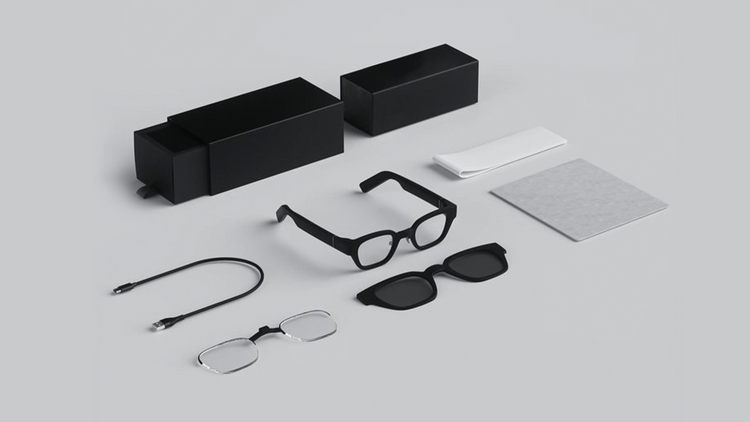

Caption Glasses for Volunteer Coordinators: Clearer Briefings and Hand

As a volunteer coordinator, you know the drill: you’ve got a dozen tasks, a handful of volunteers, and a tight timeline. But when a volunteer has hearing loss, your usual briefing—spoken instructions, group chatter, and quick asides—can become a barrier. Misunderstandings lead to mistakes, frustration, and even volunteers stepping back. You need a solution that keeps everyone in sync without singling anyone out. That’s where caption glasses come in.
Caption glasses, like Hearview’s MyVu Air, display real-time captions right in the wearer’s field of vision. They’re not a cure-all, but they can be a game-changer for volunteer communication. In this guide, we’ll explore how these glasses can support clearer briefings, smoother handoffs, and more inclusive events—and how to integrate them into your volunteer program.
Table of Contents
- Why Volunteer Coordinators Should Care About Hearing Accessibility
- How Caption Glasses Work
- Practical Applications in Volunteer Settings
- Checklist for Implementing Caption Glasses
- Where Hearview Fits In
- Frequently Asked Questions
- Conclusion
Why Volunteer Coordinators Should Care About Hearing Accessibility
Volunteer teams are wonderfully diverse, and that includes hearing abilities. According to the World Health Organization, over 5% of the world’s population has disabling hearing loss. In a volunteer setting, that means you likely have or will have volunteers who struggle to hear spoken instructions, especially in noisy environments or large groups.
When communication breaks down, the impact is real: tasks get done incorrectly, safety can be compromised, and volunteers may feel excluded. A 2020 study in the Journal of Volunteer Administration found that volunteers with disabilities often leave due to communication barriers. By proactively addressing hearing accessibility, you not only retain dedicated volunteers but also enrich your team with diverse perspectives.
How Caption Glasses Work
Caption glasses are wearable devices that connect to a smartphone or tablet via Bluetooth. They use speech-to-text technology to transcribe conversations in real time, displaying the captions on a small screen in the wearer’s line of sight. This allows the user to read what’s being said while maintaining eye contact and following along naturally.
For volunteer coordinators, this means you can speak normally, and your volunteer with hearing loss can read your words instantly. No more shouting, repeating, or relying on a notepad. The glasses are discreet, so the volunteer doesn’t feel singled out, and they work in one-on-one conversations, group briefings, and even outdoor events (with a compatible phone’s microphone).
Practical Applications in Volunteer Settings
Orientation and Training Sessions
New volunteer orientations are information-packed. You cover policies, safety, schedules, and role specifics. For a volunteer with hearing loss, missing even a few sentences can lead to confusion. Caption glasses ensure they receive every word in real time, reducing the need for follow-up questions and boosting confidence.
Task Briefings and Check-Ins
Before each shift, you might give a quick briefing: “Today we’re setting up tables, then restocking supplies.” With caption glasses, the volunteer reads along, ensuring they catch all details, especially in noisy environments like a community hall or outdoor festival.
Event Handoffs and Shift Changes
Handoffs are critical moments where information is passed from one volunteer to another. A misheard instruction can cause chaos. Caption glasses allow the outgoing volunteer to read the incoming volunteer’s updates, making the transition seamless.
Large Group Announcements
During events, you might need to make announcements to the whole team. If you’re using a microphone, the captions can pick up your voice clearly, ensuring everyone gets the message.
Checklist for Implementing Caption Glasses
Ready to try caption glasses? Here’s a practical checklist to get started:
- Assess needs: Talk to your volunteers about their communication preferences. Not everyone with hearing loss uses captions, so ask first.
- Choose the right device: Look for glasses that are comfortable, have good battery life, and work with your existing tech (iOS or Android).
- Test in your environment: Try the glasses in your typical volunteer settings—indoors, outdoors, noisy areas—to ensure they pick up speech clearly.
- Provide training: Show volunteers how to pair the glasses with their phone and adjust settings like font size and caption color.
- Have a backup plan: If the glasses run out of battery or have technical issues, have a backup like a notetaker or a tablet with a captioning app.
- Gather feedback: After a few sessions, ask the volunteer what’s working and what could be improved.
Where Hearview Fits In
Hearview’s MyVu Air subtitle glasses are designed with accessibility in mind. They connect to your smartphone and use a dedicated app to display captions from any conversation or meeting. The glasses are lightweight, with a sleek design that doesn’t scream “assistive device,” making them comfortable for all-day wear.
For volunteer coordinators, Hearview offers a practical solution: you can purchase a pair for your organization to loan out to volunteers who need them, or encourage volunteers to consider them for personal use. The glasses support multiple languages, which is a bonus for diverse teams.
It’s important to note that caption glasses are not a medical device and don’t replace professional hearing care. They are a communication aid. Always consult with an audiologist or hearing specialist for medical advice.
If you’re interested in exploring this option, check out the MyVu Air Subtitle Glasses to see if they fit your volunteer program’s needs.
Frequently Asked Questions
Are caption glasses suitable for all types of hearing loss?
Caption glasses are designed to assist with speech comprehension, but they may not be suitable for everyone. People with certain types of hearing loss, such as those who rely on sign language, may prefer other accommodations. It’s best to ask the individual what works for them.
Do caption glasses work in noisy environments?
They can, but accuracy depends on the microphone and the app’s speech recognition. In very noisy settings, using an external microphone or a quiet area for briefings can improve accuracy. Always test in your specific environment.
How much do caption glasses cost?
Prices vary. Hearview’s MyVu Air is competitively priced, but it’s an investment. Some organizations may qualify for grants or funding to support accessibility equipment. Check with local disability organizations for potential assistance.
Conclusion
Caption glasses are a powerful tool for volunteer coordinators who want to ensure every team member is fully included. By integrating them into your communication strategy, you can improve clarity, boost confidence, and create a more welcoming environment for volunteers with hearing loss.
Start small: identify one volunteer who could benefit, try the glasses during a briefing, and gather feedback. You might be surprised at the difference it makes. And if you’re ready to take the next step, explore Hearview’s MyVu Air to see how they can support your team.