
Car Repair Communication for Deaf Drivers: Estimates, Captions, and Cl

Table of Contents
- Introduction
- Common Communication Barriers at Auto Shops
- Getting Written Estimates and Repair Authorizations
- Using Captions and Visual Aids for Mechanic Explanations
- Accessible Car Service Center Checklist
- Where Hearview Fits: Real-Time Captions in the Service Bay
- Frequently Asked Questions
- Conclusion
Introduction
For deaf and hard of hearing drivers, taking a car to the repair shop can be a stressful experience. The service bay is noisy, mechanics often wear masks or speak quickly, and diagnostic explanations are filled with unfamiliar jargon. Without clear communication, it's easy to misunderstand the problem, approve unnecessary repairs, or miss important warranty details.
This guide provides practical strategies for car repair communication for deaf drivers, including how to request written estimates, use captions for mechanic explanations, and ensure you give informed approval before any work begins. Whether you're deaf, hard of hearing, or a family member helping a loved one, these tips will help you navigate auto repair with confidence.
Common Communication Barriers at Auto Shops
Auto repair shops present unique challenges for deaf and hard of hearing customers:
- Noise: The service bay is loud with engines, tools, and air compressors, making lip reading nearly impossible.
- Jargon: Terms like "knock sensor," "CV joint," or "EGR valve" are not commonly used in everyday conversation.
- Speed: Mechanics often explain things quickly, assuming the customer can hear and follow along.
- Masks: Many shops require masks, which block lip reading and muffle speech.
- Phone calls: Shops frequently call to discuss repairs, which is inaccessible without captioning or relay services.
These barriers can lead to miscommunication, unexpected costs, and even safety issues if the wrong repair is approved.
Getting Written Estimates and Repair Authorizations
One of the most important steps in car repair communication for deaf drivers is insisting on a written estimate before any work begins. Under the Americans with Disabilities Act (ADA), public accommodations like auto repair shops must provide effective communication. A written estimate is a clear, accessible way to understand what needs to be fixed and how much it will cost.
Tips for Written Estimates
- Request in advance: When you drop off the car, ask for a written estimate before any diagnostic work. If the shop needs to diagnose first, ask for a written diagnostic fee and a separate estimate for repairs.
- Itemize parts and labor: Make sure the estimate lists each part and the labor cost separately. This helps you compare prices and avoid hidden fees.
- Ask about warranties: Confirm in writing whether parts and labor are warranted, and for how long. This is especially important for major repairs.
- Get authorization forms: Some shops require a signature to proceed. Ask for a written authorization form that you can review at your own pace.
- Use email or text: If the shop offers digital communication, request estimates and updates via email or text so you have a written record.
If a shop refuses to provide a written estimate, consider it a red flag. Look for another shop that is willing to accommodate your communication needs.
Using Captions and Visual Aids for Mechanic Explanations
Even with a written estimate, you may want a mechanic to explain what's wrong with your car. For deaf and hard of hearing drivers, real-time captions can bridge the gap. Here are some options:
Captioning Tools
- Smartphone apps: Apps like Google Live Transcribe or Otter.ai can provide real-time captions. Simply place the phone between you and the mechanic.
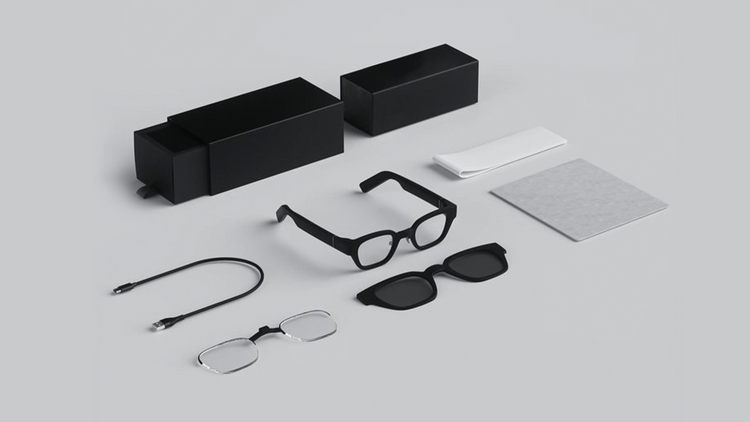
- Hearview subtitle glasses: These glasses display captions right in your field of view, allowing you to maintain eye contact and see the mechanic's gestures while reading the words. (More on this below.)
- Video relay interpreting (VRI): Some shops may have a tablet for video interpreting services. This can be helpful for complex discussions.
Visual Aids
Mechanics often use diagrams or point to parts under the hood. Ask them to show you the part on a diagram or on the actual car. Many shops have digital tablets that can display parts diagrams. You can also ask for a written explanation of the problem in simple terms.
Accessible Car Service Center Checklist
Use this checklist when choosing a car repair shop or preparing for an appointment:
| Item | Yes/No |
|---|---|
| Shop provides written estimates before work begins | ☐ |
| Shop offers email or text communication for updates | ☐ |
| Mechanic is willing to use a captioning app or device | ☐ |
| Shop has a quiet area for discussing repairs | ☐ |
| Shop provides written authorization forms | ☐ |
| Shop clearly explains warranty terms in writing | ☐ |
| Staff have basic awareness of deaf communication needs | ☐ |
If you answer "no" to any of these, consider discussing accommodations with the shop manager or finding a more accessible service center.
Where Hearview Fits: Real-Time Captions in the Service Bay
Hearview's subtitle glasses are designed to make face-to-face conversations more accessible. In an auto repair setting, they can help you follow the mechanic's explanation without needing to hold a phone or look away. The glasses display captions in your line of sight, so you can see the mechanic's gestures and facial expressions while reading the words.
It's important to note that Hearview glasses are a tool to support communication, not a replacement for professional medical or legal advice. For complex discussions about car repairs, always rely on written estimates and authorization forms. The glasses work best in one-on-one conversations with clear speech. In noisy environments, they can still capture speech if the speaker is close and facing you.
If you're interested in trying Hearview for your next car repair appointment, visit our product page for more details.
Frequently Asked Questions
1. Can I request a sign language interpreter at a car repair shop?
Yes, under the ADA, you can request a qualified interpreter for effective communication. However, many shops may not have an interpreter on staff. You can bring your own interpreter or use video relay interpreting (VRI) if the shop has a compatible device. For routine repairs, written communication and captioning tools may be sufficient.
2. What should I do if a shop refuses to provide a written estimate?
If a shop refuses to provide a written estimate, it's best to take your business elsewhere. A written estimate is a standard practice and a key part of informed consent. You can also file a complaint with the Federal Trade Commission or your state's consumer protection office if you believe the shop is violating your rights.
3. Are there any laws that require auto shops to accommodate deaf customers?
Yes, the Americans with Disabilities Act (ADA) requires public accommodations, including auto repair shops, to provide effective communication to individuals with disabilities. This may include providing written materials, using captioning tools, or arranging for an interpreter. However, the law does not specify exact methods; it requires a flexible approach to ensure equal access. If you encounter barriers, you can request an accommodation and, if denied, seek legal guidance.
Conclusion
Car repair communication for deaf drivers doesn't have to be a source of anxiety. By requesting written estimates, using captioning tools, and choosing shops that are willing to accommodate your needs, you can take control of the repair process. Remember to always get everything in writing, ask questions until you understand, and never authorize work without a clear explanation.
Your next step: Before your next appointment, call or email the shop to discuss your communication needs. Ask if they can provide written estimates and if they're open to using a captioning app or device. If they hesitate, consider finding a more accessible shop. For a seamless captioning experience, explore Hearview's subtitle glasses—they might just make your next trip to the mechanic a lot less stressful.