
CART Captioning for Court and Jury Duty: Accessibility Steps to Know

Table of Contents
- What Is CART Captioning?
- Why CART Matters in Court and Jury Duty
- How to Request CART for Court or Jury Duty
- CART vs. Other Courtroom Accommodations
- Where Hearview Fits
- Frequently Asked Questions
- Conclusion
What Is CART Captioning?
Communication Access Realtime Translation (CART) is a service that converts spoken words into text in real time. A trained captioner listens to proceedings and types what is said, displaying the text on a screen—such as a laptop, tablet, or smart glasses. CART is often used in educational settings, business meetings, and legal environments to provide equal access for individuals who are deaf or hard of hearing.
Why CART Matters in Court and Jury Duty
Courtrooms rely heavily on spoken testimony, arguments, and instructions. For a deaf or hard of hearing juror, witness, or party, missing even a few words can affect understanding of critical information. CART captioning ensures that every word is captured and displayed, allowing full participation. Under the Americans with Disabilities Act (ADA) and similar laws, courts are required to provide effective communication accommodations, including CART, unless doing so would cause an undue burden.
How to Request CART for Court or Jury Duty
If you are called for jury duty or have a court hearing, follow these steps to request CART:
- Contact the court clerk or ADA coordinator as soon as you receive your summons or hearing notice. Explain that you are deaf or hard of hearing and need CART captioning.
- Provide documentation if required—some courts may ask for a letter from your audiologist or a hearing healthcare professional confirming your need.
- Specify your preference for how you want to receive the captions (e.g., on a personal device, a courtroom monitor, or via CART glasses).
- Confirm the arrangement a few days before the proceeding to ensure the captioner is scheduled and equipment is ready.
- Have a backup plan—if CART is not available, ask about alternative accommodations such as sign language interpretation or an assistive listening device.
CART vs. Other Courtroom Accommodations
| Accommodation | Best For | Limitations |
|---|---|---|
| CART Captioning | Real-time text display of all spoken content | Requires a captioner and screen; may have slight delay |
| Sign Language Interpreter | Those fluent in sign language | Not all deaf individuals use sign; interpreter may miss nuances |
| Assistive Listening Devices | Amplifying sound for residual hearing | Does not provide full access if hearing loss is severe |
| Real-time Transcription (e.g., court reporter) | Official record; may not be displayed live | Often not available in real time for the individual |
Where Hearview Fits
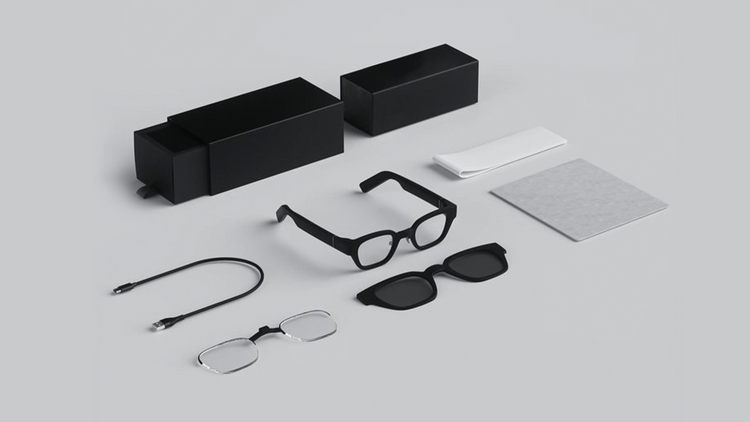
Hearview offers smart glasses that can display captions from CART services directly in your field of view. This allows you to follow courtroom dialogue without looking away from the speaker. While Hearview glasses are a convenient display option, they rely on a CART captioner or a compatible captioning app to provide the text. For court and jury duty, you will still need to arrange CART services through the court. Hearview glasses can then be used as your personal display device, making it easier to read captions discreetly. Always confirm with the court that using personal captioning glasses is permitted.
Frequently Asked Questions
1. Is CART captioning free for jury duty?
Under the ADA, courts must provide effective communication accommodations at no cost to the individual. However, you must request the accommodation in advance. Some courts may ask for documentation of your hearing loss.
2. Can I use my own CART provider?
Possibly. Some courts allow you to bring your own captioner, but you should check with the court first. If the court provides a captioner, you can still use your own display device like Hearview glasses to view the captions.
3. What if the court denies my CART request?
If the court claims that CART would cause an undue burden, they must offer an alternative effective accommodation. You can also file a complaint with the Department of Justice or seek legal advice from a disability rights organization.
Conclusion
CART captioning is a powerful tool for ensuring equal access in court and during jury duty. By planning ahead and requesting accommodations early, you can participate fully in legal proceedings. Remember to consult with the court’s ADA coordinator and have a backup plan. For a personal display option, consider Hearview’s captioning glasses, but always verify compatibility with your CART provider and court policies.
Explore Hearview Subtitle Glasses – a potential display solution for CART captioning.