
Church Hearing Loop and Captioning Accessibility: A Practical Guide fo

Table of Contents
- Why Accessibility Matters in Worship
- Hearing Loop Basics for Sanctuaries
- Captioning Options for Worship Services
- Microphone Strategies for Clear Sound
- Small Group and One-on-One Communication
- Planning Checklist for Accessibility
- Where Hearview Fits in Your Accessibility Plan
- Frequently Asked Questions
- Conclusion: Taking the Next Step
Why Accessibility Matters in Worship
For many deaf and hard-of-hearing individuals, attending a worship service can be challenging. Background noise, poor acoustics, and distance from the speaker often make it difficult to follow sermons, prayers, or music. According to the Hearing Loss Association of America (HLAA), places of worship can greatly improve the experience by implementing assistive listening systems and captioning. This guide explores practical ways to combine hearing loops, captions, and other tools to create an inclusive environment.
Hearing Loop Basics for Sanctuaries
A hearing loop (also called an induction loop) is a wire that encircles a room and transmits sound directly to hearing aids and cochlear implants equipped with a telecoil. Many modern hearing aids include a telecoil, making loops a convenient option. When planning a loop, consider:
- Loop type: Perimeter loops work well for small to medium rooms; phased arrays or low-spill loops are better for larger spaces to prevent signal leakage.
- Installation: Professional installation ensures proper coverage and minimal interference. Loops can be installed under flooring or in the ceiling.
- Compliance: The Americans with Disabilities Act (ADA) requires effective communication access; loops are one accepted solution. Check local building codes for guidance.
- Testing: After installation, test the loop with a telecoil-equipped device to verify clarity and coverage.
Captioning Options for Worship Services
Captioning provides a visual representation of spoken words, music lyrics, and other audio cues. Options include:
- Open captions: Displayed on a screen for everyone to see. Useful for hymns, scripture readings, and sermon outlines.
- Closed captions: Available on personal devices or screens. Can be toggled on/off.
- Real-time captioning (CART): A professional captioner types live. This is the most accurate but can be costly.
- Automatic speech recognition (ASR): Tools like live captioning apps or software. Accuracy varies; best for less formal settings.
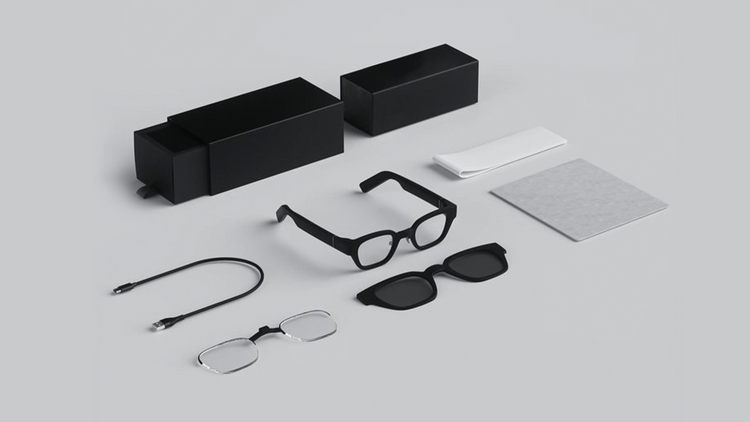
- Personal captioning devices: Smartphones, tablets, or dedicated devices like Hearview glasses that display captions directly in the user's field of view.
Microphone Strategies for Clear Sound
Good audio capture is essential for both loops and captioning. Tips include:
- Use multiple microphones: A lapel mic for the speaker, area mics for congregational responses, and choir mics for music.
- Position microphones close to the sound source: This reduces background noise and improves clarity.
- Test audio levels: Ensure the loop or captioning system receives a clean signal without distortion.
- Train volunteers: Teach sound technicians how to manage multiple inputs and monitor output quality.
Small Group and One-on-One Communication
Beyond the main service, small groups, Bible studies, and pastoral counseling also need accessibility. Consider:
- Portable hearing loops: Small, battery-powered loops for meeting rooms.
- Personal amplifiers: Devices like pocket talkers for one-on-one conversations.
- Captioning apps: Free or low-cost apps that provide real-time captions on a phone or tablet.
- Hearview glasses: These display captions from a connected app, making them ideal for small group settings where a screen isn't available.
Planning Checklist for Accessibility
| Step | Action | Considerations |
|---|---|---|
| 1 | Assess needs | Survey congregants about hearing difficulties. Identify primary languages and preferences. |
| 2 | Choose primary system | Decide between hearing loop, FM, or infrared. Loops are often preferred for telecoil compatibility. |
| 3 | Add captioning | Select open captions for screens or personal devices. Consider real-time CART for accuracy. |
| 4 | Improve microphones | Invest in quality mics and train sound team. |
| 5 | Provide personal options | Offer hearing loop receivers, captioning glasses, or apps for those without telecoils. |
| 6 | Test and iterate | Get feedback from users and adjust as needed. |
Where Hearview Fits in Your Accessibility Plan
Hearview glasses are a personal captioning solution that can complement a hearing loop or serve as a standalone tool. They display real-time captions from a connected smartphone app, making them useful for:
- Individuals who do not wear hearing aids: The glasses provide visual access without requiring a telecoil.
- Small group settings: When a loop isn't available, the glasses can capture speech via the phone's microphone.
- Multilingual services: The app can translate captions into different languages.
It's important to note that Hearview glasses are not a medical device and should not replace professional hearing care. They are a communication aid that can enhance accessibility when used as part of a broader plan. For medical questions, consult an audiologist or hearing healthcare professional.
Frequently Asked Questions
1. Can a hearing loop and captions be used together?
Yes, they complement each other. The loop provides audio directly to hearing aids, while captions offer visual backup for those who miss words or don't have telecoils. Many churches use both to cover different needs.
2. What is the most cost-effective way to add captioning to a church service?
Using a free or low-cost automatic speech recognition app on a smartphone or tablet can be a starting point. For higher accuracy, consider CART services for special events or larger congregations. Hearview glasses offer a personal solution without requiring a public screen.
3. Do we need a professional to install a hearing loop?
Professional installation is recommended to ensure proper coverage and compliance with ADA guidelines. Improper installation can lead to weak signals or interference. Some churches opt for DIY kits, but expert advice helps avoid costly mistakes.
Conclusion: Taking the Next Step
Creating an accessible worship space is a journey that involves listening to your congregation, planning thoughtfully, and investing in the right tools. Start by assessing current barriers and then prioritize solutions that fit your budget and community. Whether you choose a hearing loop, captioning, or both, every step toward inclusivity strengthens your congregation's connection. For personal captioning needs, explore Hearview glasses as a flexible option for individuals.