
Cooking Class Accessibility for Deaf Students: Visual Instruction and

Table of Contents
- Why Accessibility Matters in Culinary Education
- Visual Instruction Techniques for Deaf Students
- Captioning Strategies for Live Demonstrations
- Kitchen Safety and Visual Alerts
- Practical Checklist for Inclusive Cooking Classes
- Where Hearview Fits: Enhancing Visual Instruction
- Frequently Asked Questions
- Conclusion
Why Accessibility Matters in Culinary Education
Cooking classes are a popular way to learn new skills, explore cuisines, and connect with others. For deaf and hard of hearing students, however, traditional cooking classes can present significant barriers. Relying solely on spoken instructions, missing out on auditory cues like sizzling or timers, and struggling to follow along with fast-paced demonstrations can make the experience frustrating and less effective. Ensuring cooking class accessibility for deaf students is not just about compliance—it's about creating an inclusive environment where everyone can learn, create, and enjoy cooking. By implementing visual instruction methods and thoughtful accommodations, instructors can empower deaf students to fully participate and thrive.
Visual Instruction Techniques for Deaf Students
Visual instruction is the cornerstone of accessible cooking classes. Here are key techniques to incorporate:
Use Clear Demonstrations with Minimal Talking
Instead of narrating while cooking, demonstrate each step slowly and deliberately. Use gestures, point to ingredients, and show the desired outcome. This reduces reliance on auditory information and allows students to watch and learn.
Provide Written Recipes and Step-by-Step Guides
Distribute printed or digital recipes with clear, numbered steps. Include visual cues like icons for heat levels, timers, and safety warnings. This serves as a reference that students can consult at their own pace.
Incorporate Sign Language Interpreters
If possible, arrange for a qualified sign language interpreter. Position the interpreter near the instructor so students can watch both the demonstration and the interpretation simultaneously. This is especially helpful for complex techniques.
Use Visual Aids and Props
Charts showing knife cuts, temperature guides, and plating examples can reinforce learning. Label ingredients and tools with large print or braille for added accessibility.
Captioning Strategies for Live Demonstrations
Real-time captioning can bridge the gap for students who are hard of hearing or prefer text-based learning. Consider these options:
Live Captioning Services
Professional captioners can provide real-time captions displayed on a screen or projected onto a wall. This ensures accuracy and keeps up with the pace of the class.
Speech-to-Text Apps
Apps like Otter.ai or Google Live Transcribe can generate captions from the instructor's speech. While not always perfect, they can be a cost-effective solution for smaller classes.
Subtitle Glasses for Individual Use
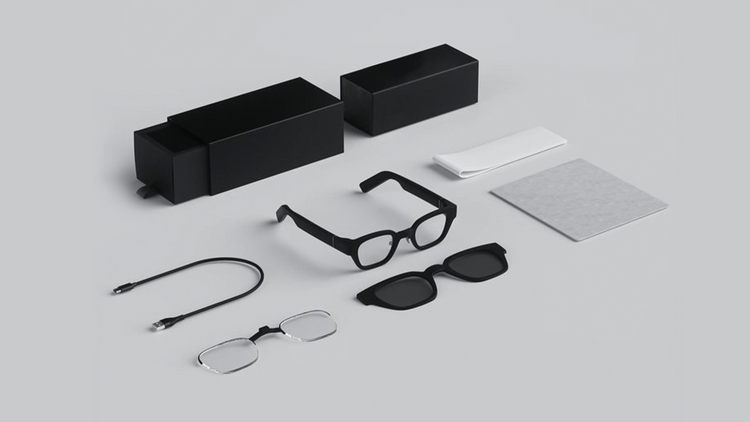
For students who need captions directly in their line of sight, wearable subtitle glasses like Hearview's MyVu Air can display real-time captions from a connected smartphone. This allows students to watch the demonstration and read captions without looking away. It's a discreet and portable option that works in various settings.
Kitchen Safety and Visual Alerts
Safety is paramount in any cooking class. Deaf students may miss auditory alerts like timers, smoke alarms, or sizzling oil. Here's how to address that:
Visual Fire Alarms and Timers
Install strobe light fire alarms and use visual timers (e.g., large digital countdown displays). Vibrating timers or smartwatches can also alert students.
Color-Coded Safety Signs
Use color-coded signs for hot surfaces, sharp tools, and allergens. For example, red for hot, yellow for caution. This provides immediate visual warnings.
Buddy System
Pair deaf students with hearing peers or assistants who can alert them to auditory cues. This fosters collaboration and ensures no one misses critical safety information.
Practical Checklist for Inclusive Cooking Classes
- Pre-class materials: Send recipes and vocabulary lists in advance.
- Seating: Arrange seating so deaf students have an unobstructed view of the instructor and any interpreters or captioning displays.
- Lighting: Ensure good lighting on the instructor's face and hands for lip-reading and sign language.
- Captions: Test captioning equipment before class. Have a backup plan (e.g., printed transcripts).
- Visual timers: Place multiple visual timers around the kitchen.
- Emergency procedures: Review visual emergency signals with all students.
- Feedback: Ask deaf students what works best for them and adjust accordingly.
Where Hearview Fits: Enhancing Visual Instruction
Hearview's MyVu Air subtitle glasses are designed to provide real-time captions directly in the user's field of vision. In a cooking class setting, these glasses can help deaf students follow spoken instructions without having to look away from the demonstration. The glasses connect to a smartphone via Bluetooth and display captions from speech-to-text apps or live captioning services. While they are a helpful tool, they are not a substitute for professional accommodations like interpreters or visual alarms. For medical or legal advice regarding accommodations, consult with a professional. Hearview glasses can be a valuable addition to an inclusive classroom when used as part of a comprehensive accessibility plan.
Frequently Asked Questions
1. Can captioning apps accurately capture cooking terms and techniques?
Many speech-to-text apps have improved their vocabulary, but they may still struggle with specialized terms like 'julienne' or 'deglaze'. For best results, use a dedicated captioning service or provide a glossary of terms beforehand. It's also helpful to speak clearly and at a moderate pace.
2. What if a deaf student prefers not to use technology?
Respect individual preferences. Some students may prefer sign language interpreters, written materials, or a combination of methods. Always ask and provide options. The goal is to remove barriers, not to impose solutions.
3. How do I handle group work or hands-on activities?
For group activities, assign roles that play to each student's strengths. Provide visual instructions for each station. Ensure that safety information is communicated visually and that each group has a way to signal for help (e.g., a visual cue card).
Conclusion
Creating an accessible cooking class for deaf students requires thoughtful planning and a commitment to visual communication. By incorporating clear demonstrations, captioning, visual safety alerts, and flexible accommodations, instructors can ensure that every student has an equal opportunity to learn and enjoy cooking. Start by reviewing the checklist above and consider tools like Hearview's subtitle glasses to enhance the experience. Remember, the best approach is to ask deaf students what they need and adapt accordingly. With these strategies, you can turn your cooking class into a truly inclusive culinary adventure.
Explore Hearview MyVu Air Subtitle Glasses to see how they can support visual instruction in your cooking class.