
Dentist Appointment Accommodations for Deaf Patients: A Practical Comm

Visiting the dentist can be stressful for anyone, but for deaf and hard of hearing patients, communication barriers add an extra layer of anxiety. Without proper accommodations, you may miss important details about treatment options, risks, or post‑care instructions. The good news is that with a little planning, you can ensure your dental visit is accessible and respectful. This guide walks through practical accommodations—from requesting an interpreter to using captioning tools—so you can focus on your oral health.
Planning Ahead: Your Rights and Options
Under the Americans with Disabilities Act (ADA), dental offices are required to provide effective communication for patients with disabilities. This includes providing auxiliary aids and services like sign language interpreters, captioning, or written notes—unless doing so would cause an undue burden. The key is to request accommodations in advance so the office can prepare. Start by calling or emailing the dental practice at least a week before your appointment. Explain your communication needs clearly. For example, you might say, “I am deaf and need a sign language interpreter for my cleaning and exam next Tuesday.” If you prefer captioning, ask if they can provide real‑time captioning or if you can bring your own device. Many offices are willing to work with you, but they need time to arrange services.
Requesting a Sign Language Interpreter
For many deaf patients, a qualified sign language interpreter is the most effective way to communicate complex medical information. The dental office is responsible for covering the cost of the interpreter, not you. When requesting, be specific about the type of appointment (e.g., consultation, filling, root canal) and the estimated length. Some offices may try to rely on lip‑reading or family members, but these are not adequate substitutes for professional interpretation, especially during procedures when you cannot see the dentist’s face. If the office hesitates, remind them of their ADA obligations. You can also contact your local deaf advocacy organization for support. For routine visits, some patients find that a combination of written notes and gesture works, but for any procedure involving anesthesia or surgical consent, an interpreter is strongly recommended.
Captioning and Assistive Technology at the Chairside
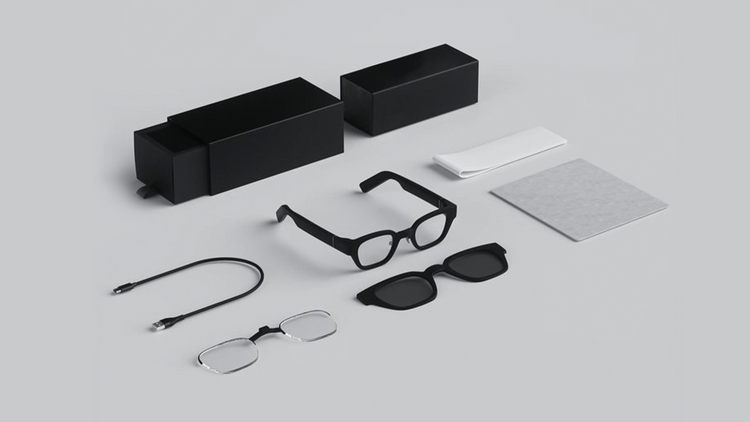
Not all deaf patients use sign language. For those who are hard of hearing or prefer spoken communication, captioning can be a game changer. Real‑time captioning (CART) provides a live transcript of what the dentist and hygienist say, displayed on a screen. Some dental offices have tablets or monitors that can be positioned near the chair. If not, you can bring your own device. Hearview’s subtitle glasses, for instance, display captions directly in your field of vision, so you can read what is said while lying back. This is especially useful during procedures when you cannot look at a separate screen. Other options include speech‑to‑text apps on your phone, but be aware of background noise and accuracy. Always test the technology before the appointment begins. Ask the dentist to speak clearly and face you when possible, even with captioning, as visual cues help.
Pre‑Visit Communication Checklist
Use this checklist to prepare for your next dental appointment:
- ☐ Identify your preferred communication method (interpreter, captioning, written notes).
- ☐ Contact the dental office at least one week in advance to request accommodations.
- ☐ Confirm in writing (email) what accommodations will be provided.
- ☐ If using an interpreter, ask if the office has a preferred agency or if you can recommend one.
- ☐ If using captioning, ask about screen availability or plan to bring your own device.
- ☐ Prepare a list of questions or concerns to share before the procedure begins.
- ☐ Ask how aftercare instructions will be communicated (written, video, etc.).
- ☐ Bring a fully charged phone or tablet as a backup.
During the Appointment: Tips for Clear Communication
Once you are in the chair, communication can become tricky. The dentist may wear a mask, which blocks lip‑reading. Drills and suction create loud noises that interfere with captioning apps. Here are strategies to maintain clarity:
- Establish a stop signal: Agree on a hand gesture or tap to pause the procedure if you need to ask something.
- Ask for face‑to‑face communication: Before starting, ask the dentist to remove their mask when speaking to you (if safe) or to write down key points.
- Use a whiteboard or notepad: Keep a small whiteboard and marker nearby for quick questions.
- Repeat back instructions: After the dentist explains something, repeat it in your own words to confirm understanding.
- Request breaks: If you feel overwhelmed, ask for a short break to clarify what was said.
Remember, you have the right to fully understand your treatment before giving consent. Do not hesitate to ask for clarification, even if it feels repetitive.
Written Aftercare and Follow‑Up
After a procedure, you will receive aftercare instructions—things like when to eat, how to manage pain, or signs of infection. These are often given verbally, which is not accessible. Insist on written instructions before you leave. Many dental offices have pre‑printed handouts; ask for them. If they don’t, ask the dentist or hygienist to write down the key points. You can also record the conversation (with permission) or use a captioning app to capture the instructions. For follow‑up appointments, confirm the date and time in writing, and repeat your accommodation needs if they change.
Where Hearview Fits In
Hearview’s subtitle glasses are designed to make real‑time captioning more convenient in situations like dental visits. The glasses display captions from a connected smartphone app, so you can read what the dentist says without looking away. They work with speech‑to‑text technology and are compatible with many captioning services. However, they are not a substitute for a qualified interpreter when complex medical discussions or consent are involved. For routine cleanings or check‑ups where you mainly need to hear instructions, the glasses can be a helpful tool. Always discuss your communication needs with your dentist beforehand to ensure the technology works in their environment. Learn more about Hearview subtitle glasses.
Frequently Asked Questions
Can I bring my own interpreter to a dental appointment?
Yes, you can bring a friend or family member to interpret, but the dental office is still responsible for providing effective communication. If you prefer a professional interpreter, the office must provide one at no cost to you. Relying on a family member is not recommended for complex medical discussions, as they may not be familiar with dental terminology.
What if the dental office refuses to provide accommodations?
If a dental office refuses to provide reasonable accommodations, you can file a complaint with the U.S. Department of Justice or contact a disability rights organization. Most offices will comply once reminded of their legal obligations. It helps to put your request in writing and keep a record.
Are captioning apps accurate enough for dental appointments?
Captioning apps can be useful, but accuracy varies depending on background noise, the dentist’s speech clarity, and medical terminology. For critical information like medication dosages or post‑op care, written instructions are more reliable. Use captioning as a supplement, not the sole source of information.
Conclusion
Dental care is essential, and communication should never be a barrier. By planning ahead and knowing your rights, you can create an accessible experience that prioritizes your understanding and comfort. Start by contacting your dentist early, use the checklist above, and explore tools like captioning glasses to bridge gaps. Remember, you deserve clear communication at every step—from the waiting room to the recovery room. Take charge of your next appointment and advocate for the accommodations you need.