
Driving Lessons for Deaf Learners: Visual Cues and Safe Communication

Table of Contents
- Introduction
- Unique Challenges for Deaf Learners
- Pre-Lesson Communication Planning
- Visual Cues and In-Car Strategies
- Choosing an Accessible Driving School
- Technology and Accommodations
- Where Hearview Fits
- FAQ
- Conclusion
Introduction
Learning to drive is a milestone that brings independence and freedom. For deaf and hard-of-hearing learners, the journey can present unique communication challenges. Standard driving lessons often rely heavily on verbal instructions, which may not be fully accessible. However, with the right preparation, visual cues, and accommodations, deaf learners can become safe and confident drivers. This guide provides practical advice for both students and instructors, focusing on effective communication strategies and accessible driving schools.
Unique Challenges for Deaf Learners
Deaf learners face specific obstacles during driver education. Traditional in-car instruction depends on spoken commands, which may be missed or misunderstood. Additionally, the driving environment is noisy, with road sounds, engine noise, and traffic. For those who use hearing aids or cochlear implants, background noise can interfere with speech understanding. Visual attention is also divided between the road, mirrors, and the instructor. Without clear communication protocols, these factors can lead to anxiety or safety concerns.
It is important to note that deafness is not a barrier to safe driving. Many deaf individuals drive successfully, often developing heightened visual awareness. The key is to adapt the learning process to leverage visual strengths and establish reliable communication methods.
Pre-Lesson Communication Planning
Before the first lesson, the instructor and student should agree on communication methods. This planning is essential for safety and learning. Consider the following steps:
- Establish preferred communication: Determine whether the student uses sign language, lip-reading, written notes, or a combination. If the instructor is not fluent in sign language, consider hiring a certified interpreter for lessons.
- Create a cue system: Develop visual or tactile signals for common instructions such as “stop,” “turn left,” “speed up,” or “park.” For example, a tap on the shoulder could mean “stop,” while pointing left means “turn left.”
- Review lesson goals in advance: Provide a written or captioned overview of what will be covered, including key maneuvers and vocabulary. This helps the student know what to expect.
- Plan for emergencies: Agree on a clear signal for pulling over or stopping immediately, such as a flashing light or a firm tap.
This pre-lesson agreement reduces confusion and builds trust. The instructor should also learn a few basic signs related to driving, such as “left,” “right,” “stop,” and “slow.”
Visual Cues and In-Car Strategies
During the lesson, visual communication is paramount. Here are effective techniques:
- Use hand gestures and pointing: Point clearly in the direction to turn. Use a flat hand to signal “stop.” Demonstrate mirror checks by pointing to the mirror.
- Write instructions on a whiteboard or notepad: Keep a small whiteboard or notepad in the car for complex instructions. Write key points before starting a maneuver.
- Leverage technology: Use a smartphone or tablet with a note-taking app to type instructions in real time. Some driving schools use two-way text communication via a mounted device.
- Practice in a parked car first: Before moving, practice the cue system while the car is stationary. This builds familiarity without the pressure of traffic.
- Maintain eye contact when possible: The instructor should ensure the student can see their face, especially when giving instructions. Avoid speaking while the student is looking away.
- Use visual aids for route planning: Show the student a map or diagram of the route before driving. Highlight key turns or landmarks.
These strategies help the student focus on driving while receiving clear, accessible instructions.
Choosing an Accessible Driving School
Not all driving schools are equipped to teach deaf learners. When selecting a school, consider the following:
- Experience with deaf students: Ask if the school has taught deaf learners before. Inquire about their communication methods and success rates.
- Instructor training: Check if instructors have received training in deaf awareness or sign language. Even basic skills can make a big difference.
- Vehicle accommodations: Some schools offer cars with visual aids, such as extra mirrors or dashboard indicators. Ask about available modifications.
- Classroom accessibility: If the school offers classroom theory sessions, ensure they provide captions, interpreters, or written materials.
- References: Request testimonials from previous deaf students or contact local deaf organizations for recommendations.
Many schools are willing to adapt, but it helps to be proactive in communicating your needs. You can also contact your local Department of Motor Vehicles (DMV) for resources on accessible driver education.
Technology and Accommodations
Technology can enhance communication during lessons. Here are some tools:
- Real-time captioning apps: Apps like Otter.ai or Google Live Transcribe can caption the instructor’s speech on a smartphone screen. However, ensure the device is mounted securely and does not distract the driver.
- Smart glasses with captions: Wearable devices that display captions directly in the user’s field of view can be helpful. They allow the student to read instructions without looking away from the road.
- Two-way radios with visual alerts: Some systems use vibration or flashing lights to signal the student, paired with a microphone for the instructor.
- GPS with visual directions: Use a GPS that shows turn-by-turn directions on a screen, reducing the need for verbal guidance.
It is important to test any technology in a safe, stationary environment before using it on the road. The primary focus must always be safe driving.
Where Hearview Fits
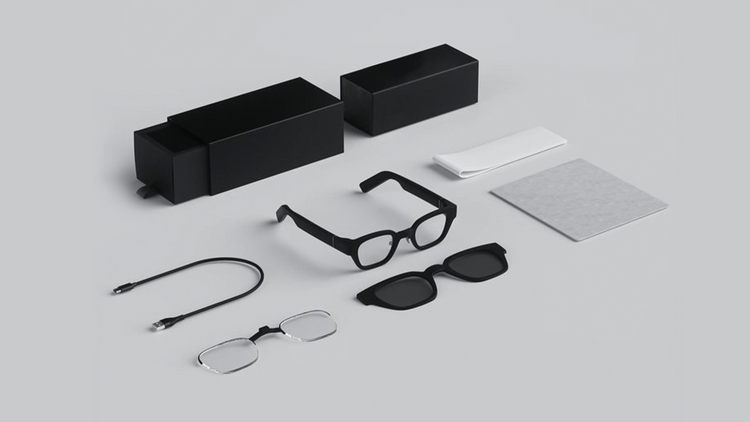
Hearview offers smart glasses that display real-time captions from speech. For deaf learners, this can be a valuable tool during driving lessons. The captions appear in the user’s field of view, allowing them to read the instructor’s words while keeping their eyes on the road. This reduces the need to glance at a separate screen or rely solely on lip-reading.
However, it is important to note that Hearview glasses are not a substitute for established communication plans or professional instruction. They are an accommodation that can supplement other methods. Before using any technology during driving, consult with your instructor and ensure it does not create a distraction. Always follow local laws regarding the use of wearable devices while driving.
For more information, visit Hearview’s product page.
FAQ
Can deaf people legally drive?
Yes, deaf individuals can obtain a driver’s license in most countries. The requirements vary, but deafness alone does not disqualify you. You may need to pass a vision test and a written exam. Some jurisdictions may require a medical evaluation or a note from an audiologist. Check with your local licensing authority for specific requirements.
What should I do if my driving instructor doesn't know sign language?
Many instructors are willing to learn basic signs or use alternative communication methods. Before the lesson, discuss a plan that includes visual cues, written notes, or technology. If communication remains difficult, consider requesting a different instructor or a school that specializes in accessible lessons.
Are there any special driving tests for deaf learners?
In many places, the driving test is the same for deaf and hearing applicants, but accommodations may be available. For example, the examiner may use written instructions or hand signals instead of spoken commands. You may also be allowed to bring an interpreter. Contact your local DMV ahead of time to arrange accommodations.
Conclusion
Driving lessons for deaf learners require thoughtful planning and clear communication, but with the right strategies, success is achievable. By establishing a pre-lesson communication plan, using visual cues, and choosing an accessible driving school, deaf students can build confidence and skill behind the wheel. Technology like captioning glasses can offer additional support, but should be used as part of a broader accommodation strategy. Remember, every learner is unique, so work with your instructor to find what works best for you. Safe driving starts with effective communication.
If you are a deaf learner or an instructor working with deaf students, take the first step by researching local resources and discussing your needs openly. With preparation and the right tools, the road to independence is wide open.