
Hearing Aid Compatible Phones in 2026: What Buyers Should Know

If you use hearing aids, finding a phone that works seamlessly with them can be a challenge. With the FCC's updated handset compatibility rules taking effect in June 2026, the landscape is shifting. This guide explains what hearing aid compatible phones in 2026 mean for you, covering Bluetooth, telecoil, and visual caption tools to help you make an informed choice.
FCC Hearing Aid Compatibility Rules in 2026
The Federal Communications Commission (FCC) has long required that mobile phones sold in the U.S. meet certain hearing aid compatibility (HAC) standards. As of June 2026, new rules require that a higher percentage of a carrier's handset models be rated for acoustic coupling (M-rating) and inductive coupling (T-rating for telecoil). This means more phones will be officially labeled as hearing aid compatible, but not all phones will support every feature. It's important to check the M and T ratings of any phone you consider. For medical questions about your specific hearing needs, always consult a hearing care professional.
Bluetooth and Telecoil: What You Need to Know
Bluetooth Hearing Aid Phone
Many modern hearing aids connect directly to smartphones via Bluetooth. This allows you to stream calls, music, and other audio directly to your hearing aids. Look for phones that support Bluetooth LE Audio and the LC3 codec, which offer lower latency and better audio quality. However, Bluetooth compatibility varies by hearing aid model, so check with your hearing aid manufacturer for a list of compatible phones.
Telecoil Compatible Smartphone
Telecoil (T-coil) technology picks up magnetic signals from a phone's speaker, reducing background noise. For telecoil to work, the phone must have a T-rating of T3 or T4. Many new phones still include telecoil support, but it's less common in ultra-thin models. If you rely on telecoil, prioritize phones with a T-rating.
Smartphone Compatibility Checklist
- Check M and T ratings: Look for M3/M4 and T3/T4 ratings on the phone's specifications.
- Verify Bluetooth compatibility: Confirm that your hearing aids support the phone's Bluetooth version and profiles.
- Test telecoil performance: If you use telecoil, try the phone in a store with your hearing aids.
- Consider visual captions: Phones with real-time captioning or compatibility with captioning apps can help in noisy environments.
- Review return policies: Buy from retailers that allow returns if the phone doesn't work well with your hearing aids.
Where Hearview Fits
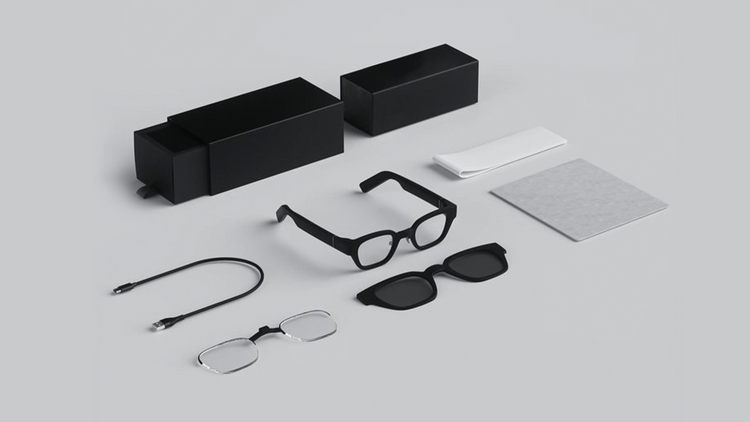
Hearview offers subtitle glasses that display real-time captions from conversations, TV, and phone calls. While not a replacement for hearing aids, they can be a helpful addition for phone calls in noisy settings or when you need extra visual support. Our glasses connect via Bluetooth to your smartphone and show captions directly in your field of view. For planning your communication accommodations, consider pairing a hearing aid compatible phone with Hearview glasses for a more complete experience. Always consult a hearing care professional for medical advice.
Frequently Asked Questions
Will all phones be hearing aid compatible in 2026?
No, but the FCC rules require carriers to offer a certain percentage of HAC-rated models. Not every phone will be compatible, so you still need to check ratings.
Can I use Bluetooth hearing aids with any smartphone?
Not necessarily. Bluetooth compatibility depends on the hearing aid's technology and the phone's Bluetooth version and profiles. Check with your hearing aid manufacturer for a list of compatible phones.
What is the difference between M-rating and T-rating?
M-rating measures acoustic coupling (sound from the phone's speaker), while T-rating measures inductive coupling for telecoil. Both are important, but T-rating is essential if you use telecoil.
Conclusion
Choosing a hearing aid compatible phone in 2026 involves understanding FCC rules, Bluetooth and telecoil options, and your personal needs. Use the checklist above to evaluate phones, and don't hesitate to test devices with your hearing aids. For additional visual support during calls, explore Hearview's subtitle glasses. Remember, for any medical concerns, consult a hearing care professional.