
Hotel Concierge Communication for Hearing Loss: Front Desk, Directions

Introduction
Traveling with hearing loss often means navigating a world designed for hearing ears. One of the most frequent touchpoints during any hotel stay is the concierge or front desk. Whether you need directions to a local attraction, want to book a late check-in, or have a special service request, clear communication is essential. Unfortunately, not all hotel staff are trained in accessible communication. This guide offers practical strategies for hotel concierge communication for hearing loss, helping you plan ahead and advocate for your needs without frustration.
Common Concierge Interactions
Here are the most common situations where you'll need to communicate with hotel staff:
- Asking for directions – to nearby restaurants, museums, or transit stops.
- Making service requests – extra towels, room cleaning, maintenance issues.
- Late check-in or early check-out – coordinating arrival or departure times.
- Local recommendations – asking for suggestions on where to eat or what to see.
- Booking transportation – taxis, shuttles, or rental cars.
- Reporting accessibility issues – broken visual fire alarms, missing TTY/TDD, etc.
Each of these interactions can be made smoother with a bit of preparation and the right tools.
Communication Tips for Each Scenario
Asking for Directions
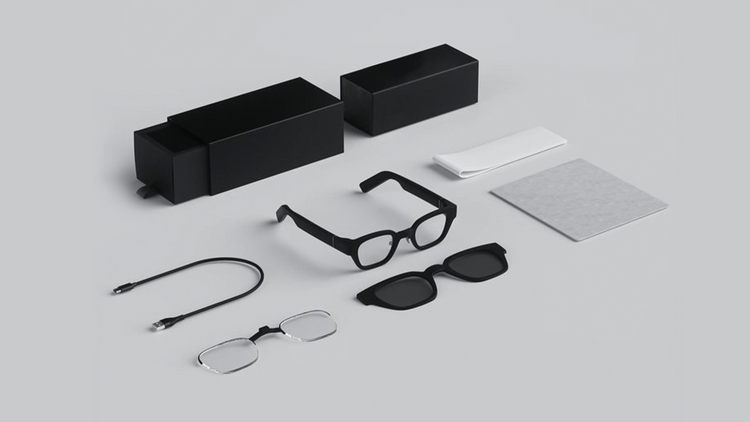
When asking for directions, visual aids are your best friend. Carry a small notebook or use a note-taking app on your phone. Write down the name of the place you're looking for and ask the concierge to write down or point to the directions on a map. Many hotels have printed maps; ask them to mark the route. If you use a speech-to-text app, you can show the concierge your phone screen to read their spoken response. For real-time captioning, consider using a device like Hearview's subtitle glasses, which display captions directly in your field of vision.
Making Service Requests
Service requests are often straightforward. You can call the front desk using a video relay service (VRS) or a captioned telephone. Alternatively, many hotels now offer text messaging or in-app chat for guest requests. Before your stay, ask the hotel if they have a text-based communication option. If not, you can use a simple pre-written card: “I am hard of hearing. Please write down your response or use text.” Keep it polite and clear.
Late Check-In or Early Check-Out
These are time-sensitive. Email the hotel in advance to confirm your arrival or departure time. Upon arrival, if you need to discuss a change, use a written note or a communication app. Some hotels have a “guest request” form at the front desk; you can fill it out. If you're checking in late, pre-arrange for a key to be left at the desk with a written confirmation.
Local Recommendations
This is where conversation can get lengthy. Ask the concierge to write down their top three recommendations. You can also use a speech-to-text app to capture their spoken suggestions. If you have a smartphone, you can use Google Live Transcribe or Apple's Live Captions. For a hands-free experience, Hearview glasses can caption the conversation while you maintain eye contact.
Booking Transportation
For taxi or shuttle bookings, provide written details: pick-up time, destination, and number of passengers. Ask the concierge to confirm in writing. If you need to call a ride-sharing service, use the app's text chat feature instead of calling.
Reporting Accessibility Issues
If something in your room isn't accessible (e.g., no visual alarm), write down the issue and hand it to the front desk. Ask for a written confirmation of when it will be fixed. You can also file a complaint with the hotel's management via email for documentation.
Accessible Hotel Communication Checklist
Use this checklist before and during your stay to ensure smooth communication:
- Before booking: Inquire about accessible communication options (TTY, visual alarms, text messaging).
- At check-in: Inform staff of your hearing loss and preferred communication method (written, captions, sign language interpreter).
- Carry a communication card: A pre-printed card explaining your needs.
- Use technology: Speech-to-text apps, captioning glasses, or a portable amplifier.
- Request written confirmations: For any changes or special requests.
- Know your rights: Under the ADA, hotels must provide effective communication, including auxiliary aids like written notes or captioning upon request.
Where Hearview Fits
While many strategies rely on smartphones or paper, Hearview's subtitle glasses offer a discreet, hands-free solution for real-time captioning. They can be particularly helpful during face-to-face conversations at the concierge desk, where you want to maintain eye contact and not fumble with a phone. The glasses display captions from spoken dialogue, allowing you to follow along without interrupting the flow. They are not a medical device and do not replace professional hearing care, but they can be a valuable tool for travel communication planning. For more information, visit Hearview subtitle glasses.
FAQ
1. Can I request a sign language interpreter at a hotel?
Yes, under the ADA, hotels must provide qualified interpreters upon request. However, it's best to make this request at least 48 hours in advance to ensure availability. For less formal interactions, written notes or captioning may be sufficient.
2. What if the hotel staff doesn't understand my communication needs?
Stay calm and polite. Use a pre-written card or a speech-to-text app to explain your needs. If the issue persists, ask to speak with a manager or the hotel's accessibility coordinator. You can also file a complaint with the hotel chain's corporate office.
3. Are there any apps that work well for hotel communication?
Yes, apps like Google Live Transcribe (Android), Live Captions (iOS), and Otter.ai can transcribe speech in real time. For video calls, use a VRS app like ZVRS or Sorenson. Always have a backup method like a notepad.
Conclusion
Traveling with hearing loss doesn't have to be stressful. By planning ahead and using the right tools—whether it's a simple notepad, a speech-to-text app, or captioning glasses—you can communicate effectively with hotel concierge staff. Remember to advocate for your needs politely and know that accommodations are available. Next time you travel, try one of these strategies and see how it transforms your experience.