
Job Interview Accommodations for Deaf Candidates: Captions, Interprete

Job interviews are stressful for anyone, but for deaf and hard-of-hearing candidates, the added challenge of communication access can make the process feel overwhelming. You have the skills and experience—now you need to ensure the interview format works for you. This guide covers how to request accommodations, test tools like live captions, prepare for in-person and video interviews, and follow up for clarity. With the right planning, you can focus on showcasing your abilities.
Table of Contents
- Understanding Your Rights and Company Obligations
- Types of Accommodations for Deaf Candidates
- How to Request Accommodations
- Testing Your Setup Before the Interview
- In-Person Interviews: What to Consider
- Video Interviews: Captions and Accessibility
- Where Hearview Fits in Your Interview Prep
- Frequently Asked Questions
- Conclusion: Your Next Steps
Understanding Your Rights and Company Obligations
In many countries, employers are required to provide reasonable accommodations for candidates with disabilities during the hiring process. For deaf and hard-of-hearing candidates, this can include sign language interpreters, real-time captioning, assistive listening devices, or written communication. While laws vary, the general principle is that accommodations should ensure equal opportunity to compete for the job. It's important to note that this article provides general guidance; for specific legal advice, consult with a professional or advocacy organization.
Types of Accommodations for Deaf Candidates
Depending on your communication preferences and the interview format, you may consider one or more of the following accommodations:
- Sign Language Interpreter: A qualified interpreter can facilitate communication between you and the interviewer. Request this well in advance, as interpreters may need to be booked.
- Live Captions (CART): Communication Access Realtime Translation provides real-time captions of spoken words, displayed on a screen or device. This is especially useful for video interviews or group discussions.
- Assistive Listening Devices: For candidates with some residual hearing, devices like FM systems or hearing loop systems can amplify sound.
- Written Communication: Some candidates prefer to communicate via chat, email, or written notes during the interview. This can be a simple but effective accommodation.
- Video Relay Service (VRS): For phone interviews, VRS allows you to use sign language via video call with an interpreter.
How to Request Accommodations
When you receive an interview invitation, it's appropriate to disclose your need for accommodations. Here's a step-by-step approach:
- Review the invitation: Check if the employer already asks about accommodations. Some companies include a line like "If you need a reasonable accommodation, please let us know."
- Contact the recruiter or HR: Send a brief email or message stating your accommodation needs. Be specific about what you require (e.g., "I would like a sign language interpreter for the interview" or "I need live captions during the video call").
- Provide details: Mention the interview format (in-person, video, phone) and any technical requirements. For example, if you use a specific captioning platform, let them know.
- Give advance notice: Ideally, request accommodations at least one week before the interview to allow time for arrangements.
- Confirm arrangements: A few days before, follow up to confirm that everything is in place.
If you're unsure about the company's process, you can also ask: "What is your standard procedure for providing accommodations during interviews?"
Testing Your Setup Before the Interview
Nothing derails an interview like technical glitches. Whether you're using live captions, an interpreter, or assistive technology, test everything beforehand:
- Video platform compatibility: Ensure the platform (Zoom, Teams, Google Meet, etc.) supports your accommodation. For live captions, check if the platform has built-in captioning or if you need a third-party service.
- Internet connection: A stable, high-speed connection is crucial for real-time captions or video relay.
- Device and display: If you're using caption glasses or a separate screen, position it so you can see both the interviewer and the captions comfortably.
- Lighting and background: For sign language or lip-reading, ensure your face is well-lit and free from distractions.
- Backup plan: Have a secondary communication method ready (e.g., chat) in case your primary accommodation fails.
In-Person Interviews: What to Consider
In-person interviews present unique opportunities and challenges. Here are some tips:
- Seating arrangement: Choose a seat with good lighting on the interviewer's face if you lip-read. Avoid sitting with a window behind them.
- Interpreter placement: If using an interpreter, agree on positioning so you can see both the interpreter and the interviewer easily.
- Note-taking: Bring a notepad or tablet to jot down key points or clarify questions.
- Environmental noise: Request a quiet room if possible, as background noise can interfere with hearing aids or captioning.
Video Interviews: Captions and Accessibility
Video interviews are increasingly common and can be more accessible with the right tools. Here's a comparison of common captioning options:
| Option | Pros | Cons | Best For |
|---|---|---|---|
| Built-in platform captions (e.g., Zoom, Teams) | Free, no extra setup | Accuracy varies, may not support all languages | Quick interviews, low-stakes settings |
| Third-party CART service | High accuracy, professional captioner | Cost, requires booking | Important interviews, group discussions |
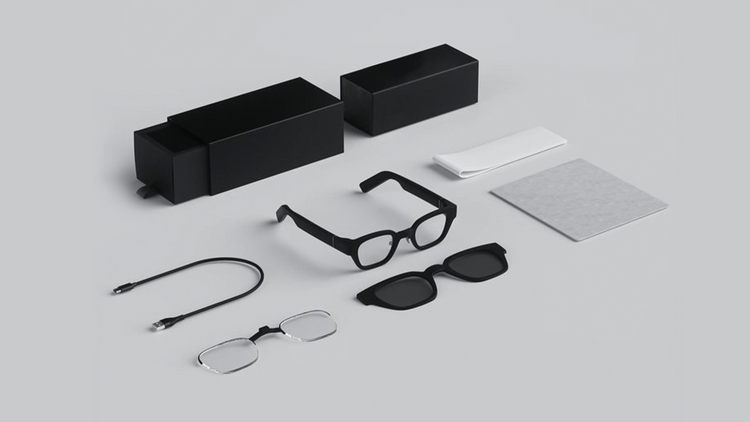
| Caption glasses (e.g., Hearview) | Discreet, real-time captions in your field of view | Requires compatible device, upfront investment | Candidates who want independence and mobility |
| Mobile app captions | Convenient, often free | May be distracting, screen size limits | Casual interviews, practice sessions |
Where Hearview Fits in Your Interview Prep
Hearview offers subtitle glasses that display real-time captions directly in your line of sight. This can be particularly helpful during video interviews where you want to maintain eye contact with the interviewer while reading captions. The glasses are compatible with many video conferencing platforms and can be used with your smartphone or computer. They are not a replacement for professional CART or interpreters, but they provide a flexible, on-the-go captioning solution. If you're considering this option, test the glasses with your interview platform beforehand to ensure compatibility and comfort.
Frequently Asked Questions
1. When should I disclose my hearing loss and request accommodations?
You can disclose at any point, but it's best to do so after receiving an interview invitation. This gives the employer time to arrange accommodations. You are not required to disclose before the interview, but doing so can help ensure a smooth process.
2. Can I request an interpreter for a video interview?
Yes, many employers provide sign language interpreters for video interviews. The interpreter can join via a separate video call or be in the same room if it's a hybrid setup. Clarify with the employer how the interpreter will be integrated.
3. What if the employer denies my accommodation request?
If an employer denies a reasonable accommodation, you may have legal recourse depending on your jurisdiction. Start by discussing alternative accommodations that might work. If the issue persists, consult with a disability rights organization or employment lawyer for guidance.
Conclusion: Your Next Steps
Preparing for a job interview as a deaf or hard-of-hearing candidate involves proactive planning. Start by identifying the accommodations that best suit your communication needs, then request them early. Test your setup, whether it's captions, an interpreter, or assistive technology, to avoid surprises. Remember, accommodations are there to level the playing field—they allow you to focus on what matters: demonstrating your qualifications.
If you're exploring captioning options, consider trying Hearview subtitle glasses as part of your interview toolkit. They offer a discreet way to access real-time captions during video calls. Whatever tools you choose, practice beforehand and have a backup plan. You've got this.