
Legal Consultation Accommodations for Deaf Clients: What to Arrange

Table of Contents
- Why Accommodations Matter in Legal Consultations
- Types of Accommodations for Deaf Clients
- Practical Checklist for Your Appointment
- CART vs. Sign Language Interpreting: Which Is Right?
- How Hearview Glasses Can Support Your Legal Meeting
- Frequently Asked Questions
- Conclusion
Why Accommodations Matter in Legal Consultations
Meeting with a lawyer is often a high-stakes situation. Whether you are discussing a contract, a family matter, or a criminal defense, every word matters. For deaf and hard-of-hearing clients, missing even a small phrase can lead to misunderstandings or missed legal nuances. That is why planning accommodations ahead of your legal consultation is essential.
Under the Americans with Disabilities Act (ADA) and similar laws in many countries, lawyers and law firms are required to provide effective communication for clients with disabilities. This includes providing auxiliary aids and services such as qualified interpreters, captioning, or assistive listening devices. However, the specific accommodation that works best depends on your communication preferences and the nature of the legal discussion.
This article will guide you through the most common accommodations for deaf clients during legal consultations, help you decide which option suits your needs, and provide a practical checklist to ensure your meeting is accessible and productive.
Types of Accommodations for Deaf Clients
There are several ways to ensure effective communication during a legal consultation. The most common accommodations include:
- Sign Language Interpreting: A qualified sign language interpreter facilitates communication between you and your lawyer. This is ideal if you use American Sign Language (ASL) or another sign language as your primary language.
- Computer-Assisted Real-Time Translation (CART): A CART captioner types everything that is said in real time, which appears on a screen. This is excellent for clients who are hard of hearing or prefer text-based communication.
- Assistive Listening Devices (ALDs): These include hearing loop systems, FM systems, or personal amplifiers that work with your hearing aids or cochlear implants.
- Speech-to-Text Apps and Services: Mobile apps or web-based services can provide live captions, though accuracy may vary in legal settings with specialized vocabulary.
- Written Communication: For simpler consultations, exchanging notes or using a laptop may suffice, but this can be slow and may miss legal subtleties.
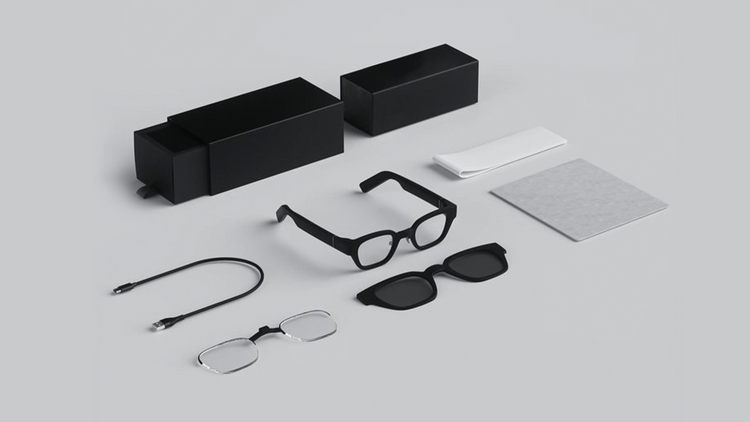
- Hearview Subtitle Glasses: These wearable glasses display real-time captions directly in your field of view, allowing you to maintain eye contact with your lawyer while reading the spoken words.
Each accommodation has its strengths. The best choice depends on your comfort, the complexity of the legal matter, and the availability of services.
Practical Checklist for Your Appointment
Use this checklist to prepare for your legal consultation:
- Contact the law firm in advance: Inform them of your accommodation needs at least one week before the meeting. This gives them time to arrange services.
- Specify your preferred accommodation: Let them know whether you need an ASL interpreter, CART, or another aid. If you are unsure, ask for a consultation to discuss options.
- Confirm the logistics: Ensure the meeting room is well-lit, has appropriate seating, and that any technology (e.g., Wi-Fi for CART) is available.
- Bring backup: If you rely on technology, have a secondary method ready (e.g., a notepad and pen) in case of technical issues.
- Request materials in advance: Ask for any documents that will be discussed so you can review them beforehand.
- Test equipment: If using CART or Hearview glasses, test them before the meeting to ensure they work properly.
- Bring a trusted companion: If allowed, a family member or friend can help take notes or clarify points.
CART vs. Sign Language Interpreting: Which Is Right?
Choosing between CART and sign language interpreting depends on your communication style and the legal context. Here is a comparison:
| Factor | CART Captioning | Sign Language Interpreting |
|---|---|---|
| Language | English (or other spoken language) text | ASL or other sign language |
| Real-time accuracy | High (99%+ with skilled captioner) | High (depends on interpreter's skill) |
| Legal terminology | Can be pre-programmed for accuracy | Interpreter must be familiar with legal terms |
| Confidentiality | Captioner signs a confidentiality agreement | Interpreter bound by ethics and confidentiality |
| Cost | Typically hourly, may be remote | Hourly, often with minimum time |
| Setup | Requires internet and display screen | No technology needed |
| Best for | Clients who prefer reading English | Clients who use ASL as primary language |
Both are effective. If you are fluent in ASL, an interpreter may feel more natural. If you are hard of hearing or prefer text, CART is a strong choice. Some clients even use both: an interpreter for discussion and CART for a written record.
How Hearview Glasses Can Support Your Legal Meeting
Hearview subtitle glasses offer a unique solution for legal consultations. They display real-time captions from a connected smartphone app directly in your line of sight. This allows you to read every word your lawyer says while maintaining natural eye contact and reading body language.
These glasses are especially useful when:
- You prefer captions but want a discreet, portable option.
- You need to refer to documents while still seeing captions.
- You want a backup to an interpreter or CART service.
It is important to note that Hearview glasses are a tool to assist communication, not a replacement for professional interpreting or medical advice. For complex legal matters, combining them with a qualified interpreter or CART provider may be the best approach. Always discuss your specific needs with your lawyer and accommodation coordinator.
Frequently Asked Questions
1. Do I have to pay for accommodations during a legal consultation?
Under the ADA, law firms are generally required to provide effective communication at no cost to the client. However, some firms may ask you to cover costs if they can demonstrate an undue burden. Discuss this with your lawyer beforehand to avoid surprises.
2. Can I use a speech-to-text app on my phone instead of CART?
While apps can be helpful, they may not be accurate enough for legal terminology or fast-paced conversations. For important legal matters, professional CART or interpreting is recommended to ensure accuracy and confidentiality.
3. What if the law firm says they cannot provide the accommodation I need?
If a law firm refuses to provide reasonable accommodations, you may file a complaint with the Department of Justice or seek legal advice from a disability rights organization. Most firms are willing to work with you once they understand your needs.
Conclusion
Effective communication is the foundation of a successful lawyer-client relationship. By planning accommodations in advance, you can ensure your legal consultation is productive and respectful of your needs. Whether you choose sign language interpreting, CART, or assistive technology like Hearview glasses, the key is to communicate your preferences early and confirm the arrangements.
For a discreet and portable captioning solution, consider adding Hearview subtitle glasses to your toolkit. They can complement other accommodations and give you greater control over your communication during legal meetings.