
Library Storytime Accessibility for Deaf Children: Visual Cues, Captio

Table of Contents
- Introduction
- Visual Cues and Storytelling Techniques
- Captioned Materials and Technology
- Seating and Environmental Planning
- Accessibility Checklist for Librarians
- How Hearview Can Support Inclusive Storytime
- Frequently Asked Questions
- Conclusion
Introduction
Storytime at the library is a cherished tradition that sparks imagination and a love of reading. However, for deaf and hard of hearing children, traditional storytime can present barriers. Without intentional accommodations, these children may miss out on the narrative, the emotional tone of the reader's voice, and the interactive elements that make storytime engaging. The good news is that with thoughtful planning—focusing on visual cues, captions, and seating—librarians and caregivers can create an inclusive experience where every child can participate fully. This article provides practical guidance for making library storytime accessible for deaf children, drawing on principles of visual storytelling and communication access. Remember, for specific medical or educational advice, consult a professional audiologist or special education specialist.
Visual Cues and Storytelling Techniques
Visual storytelling is at the heart of accessibility for deaf children. Since they may not hear the narrator's voice, they rely on visual information to follow the story. Here are key strategies:
- Use expressive facial expressions and gestures. The storyteller should exaggerate emotions and actions to convey the story's mood and plot points.
- Incorporate props and puppets. Visual aids help illustrate characters and events, making the story more concrete.
- Display the book's illustrations clearly. Hold the book up so all children can see the pictures, and describe what is happening in the images.
- Use sign language or visual phonics. If the librarian knows sign language, they can sign along with the spoken words. Alternatively, a sign language interpreter can be present.
- Add written keywords or phrases on a screen or board. This reinforces vocabulary and helps children connect spoken or signed words to print.
These techniques benefit not only deaf children but also hearing children who are visual learners or have attention difficulties.
Captioned Materials and Technology
Captions provide a direct text representation of spoken words, sound effects, and speaker identification. For storytime, captions can be delivered in several ways:
- Pre-recorded captioned story videos. Many libraries have digital collections of captioned stories that can be shown on a screen.
- Live captioning. Using a speech-to-text app or service, the librarian's words can appear in real-time on a tablet or projector.
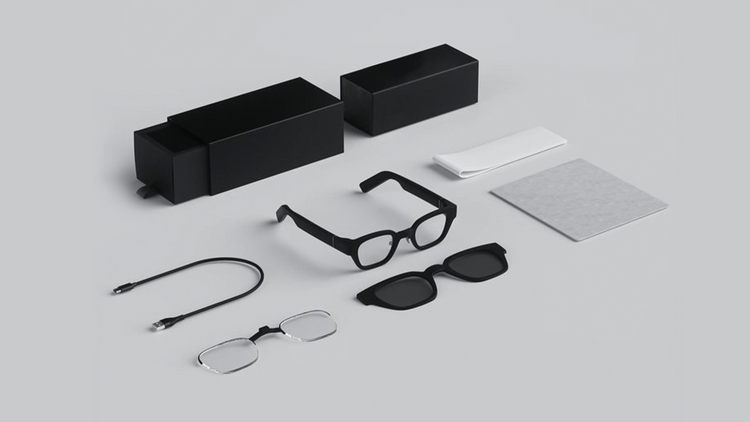
- Caption glasses or personal devices. Some children may use assistive technology like Hearview subtitle glasses, which display captions directly in their field of vision, allowing them to follow along without looking away from the storyteller.
When using captions, ensure the text is large enough, contrasts with the background, and appears at a readable pace. Also, consider that some deaf children may not yet be fluent readers; pairing captions with pictures and signs is helpful.
Seating and Environmental Planning
Where a child sits can significantly impact their access to visual information. Consider these accommodations:
- Front-row seating. Reserve a spot near the front for deaf children so they can see the book, the storyteller's face, and any visual aids clearly.
- Clear sightlines. Arrange seating in a semicircle or rows with staggered heights to minimize obstructions.
- Good lighting. Ensure the storyteller's face is well-lit for lipreading and facial expression cues. Avoid backlighting that creates shadows.
- Minimize background noise. While deaf children may not hear noise, it can interfere with hearing aids or cochlear implants. Choose a quiet room and close doors to reduce distractions.
- Seating for caregivers. If a caregiver is present, seat them nearby to provide support and cue the child.
These environmental adjustments create a more inclusive space for all children.
Accessibility Checklist for Librarians
Use this checklist when planning an inclusive storytime:
- ☐ Choose books with clear, engaging illustrations.
- ☐ Prepare visual props or puppets related to the story.
- ☐ Practice using expressive facial expressions and gestures.
- ☐ Arrange seating for optimal visual access.
- ☐ Ensure good lighting on the storyteller's face.
- ☐ Have a captioning solution ready (e.g., app, device, or pre-captioned video).
- ☐ Provide a visual schedule or story map.
- ☐ Inform families about accommodations in advance.
- ☐ Gather feedback from deaf children and their families.
How Hearview Can Support Inclusive Storytime
Hearview subtitle glasses offer a portable, personal captioning solution that can be used during library storytime. The glasses display real-time captions from a connected smartphone app, allowing deaf children to read the storyteller's words while maintaining eye contact with the book and the narrator. This can reduce the need to look back and forth between a separate screen and the storyteller. Hearview glasses are designed to be lightweight and comfortable for children, and they integrate with popular speech-to-text apps. While they are not a substitute for professional captioning services or sign language interpretation, they can be a valuable tool in a librarian's accessibility toolkit. For more information, visit the Hearview product page.
Frequently Asked Questions
1. Do I need to know sign language to host an accessible storytime?
No, but it helps. You can use visual cues, captions, and props to convey the story without sign language. If possible, collaborate with a local interpreter or learn a few key signs for common storytime words.
2. What if a deaf child uses a hearing aid or cochlear implant?
These devices amplify sound but may not provide full access in noisy environments. Still use visual strategies and captions. Ensure the child's seating is optimal for any residual hearing and that the room has good acoustics.
3. How can I find out what accommodations a child needs?
Communicate with the child's family before the event. Ask about their preferred communication mode (sign language, captions, lipreading) and any specific needs. Respect their privacy and be flexible.
Conclusion
Making library storytime accessible for deaf children is not only a legal obligation under the ADA but also a wonderful opportunity to enrich the experience for everyone. By focusing on visual cues, captions, and thoughtful seating, librarians can create a welcoming environment where all children can enjoy the magic of stories. Start by implementing one or two changes from the checklist, and gradually build a more inclusive program. For additional support, consider tools like Hearview subtitle glasses to enhance caption accessibility. Together, we can ensure that every child has a seat at the storytime circle.