
Movie Theater Caption Devices for Deaf People: A Practical Guide Befor

Table of Contents
- Introduction
- Types of Movie Theater Caption Devices
- Comparison: Which Caption Option Is Right for You?
- How to Request Captioning at Your Theater
- Where Hearview Fits: Personal Caption Glasses
- Frequently Asked Questions
- Conclusion: Plan Your Next Movie Outing
Introduction
Going to the movies should be an enjoyable experience for everyone, but for deaf and hard of hearing individuals, accessing dialogue and sound effects can be a challenge. Fortunately, many theaters now offer caption devices and services to make films accessible. This guide explains the main types of movie theater caption devices for deaf people, how to request them, and how to choose the best option for your needs. Whether you prefer open captions, rear window captioning, or personal caption glasses, you can enjoy the big screen with full access to the story.
Types of Movie Theater Caption Devices
Open Caption (OC) Screenings
Open caption screenings display subtitles directly on the movie screen for all audience members. These are often scheduled at specific times and listed as “OC” or “Open Caption” in theater listings. No additional device is needed, making it the simplest option. Check your local theater’s website or call ahead to find open caption showtimes.
Rear Window Captioning (RWC)
Rear window captioning uses a transparent panel that attaches to your seat’s cup holder. The panel reflects captions from the back of the theater, allowing you to see them superimposed on the movie screen. RWC systems are available at many major chains like AMC and Regal. You may need to request the device at the box office or guest services.
Closed Caption Glasses
Some theaters offer caption glasses that display subtitles directly in your field of view. These glasses are lightweight and adjustable, and they sync wirelessly with the film. They are a good alternative if you find RWC panels uncomfortable or if you want a more discreet solution. Availability varies by location, so call ahead to confirm.
Assistive Listening Devices (ALDs)
While not strictly captioning, assistive listening devices amplify sound for those with residual hearing. They can be used alongside captioning for a fuller experience. Many theaters provide headphones or neck loops that connect to the audio system.
Comparison: Which Caption Option Is Right for You?
| Feature | Open Caption | Rear Window Captioning | Caption Glasses | Assistive Listening |
|---|---|---|---|---|
| Ease of use | No device needed | Requires setup | Requires setup | Requires setup |
| Discreetness | Visible to all | Personal view | Personal view | Personal |
| Availability | Limited showtimes | Widely available | Limited theaters | Widely available |
| Comfort | No extra gear | May block seat | Lightweight | Headphones |
| Cost | Same as ticket | Free with ticket | Free with ticket | Free with ticket |
Consider your preferences: if you want a no-hassle experience, look for open caption screenings. If you prefer a personal display, RWC or caption glasses are great options. For those who benefit from sound amplification, combine an ALD with captioning.
How to Request Captioning at Your Theater
- Check online: Visit the theater’s website and look for “Accessibility” or “Open Caption” showtimes.
- Call ahead: Speak with a manager to confirm device availability and how to pick them up.
- Arrive early: Give yourself extra time to collect and set up the device before the movie starts.
- Know your rights: Under the Americans with Disabilities Act (ADA), theaters must provide effective communication, including captioning. If a device is not working, ask for assistance or a refund.
- Bring backup: Consider bringing your own captioning device if you have one, such as Hearview glasses, as a reliable alternative.
Where Hearview Fits: Personal Caption Glasses
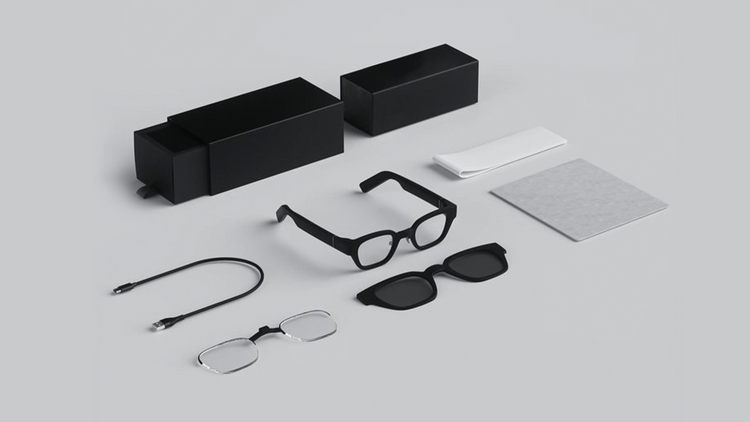
While many theaters offer caption devices, they may not always be available or in perfect working order. Hearview’s subtitle glasses provide a personal, portable captioning solution that works with any movie. The glasses connect to your smartphone via an app and display real-time captions from the audio. They are designed to be comfortable for extended wear and can be used in any theater, regardless of whether the venue offers built-in captioning. However, it’s important to note that Hearview glasses rely on the app’s speech recognition, which may have limitations in noisy environments. Always check with your theater about their own captioning options, and consider using Hearview as a reliable backup or primary tool if you prefer a consistent experience.
Frequently Asked Questions
1. Are movie theaters required to provide captioning?
Yes, under the ADA, movie theaters must provide effective communication for deaf and hard of hearing patrons. This includes offering captioning devices or open caption screenings. However, the specific technology and availability can vary. If a theater does not have working devices, they may need to offer an alternative accommodation.
2. Can I bring my own captioning device to a theater?
Generally, yes. Personal captioning devices like Hearview glasses are allowed as long as they do not interfere with the theater’s equipment or disturb other patrons. It’s a good idea to check with the theater beforehand, but most are accommodating.
3. What should I do if the caption device doesn’t work during the movie?
Politely step out and notify a staff member or manager. They may be able to fix the device, provide a replacement, or offer a refund. It’s helpful to arrive early to test the device before the film starts.
Conclusion: Plan Your Next Movie Outing
With the right preparation, you can enjoy a fully accessible movie experience. Start by checking your local theater’s accessibility options online, then choose the caption method that works best for you. Whether you opt for open captions, rear window captioning, or personal caption glasses like Hearview, the key is to plan ahead and know your rights. For a reliable and portable solution, consider trying Hearview subtitle glasses as your go-to device for any movie theater visit.