
Museum Accessibility for Hard-of-Hearing Visitors: Captions, Tours, an

Introduction
Visiting a museum should be an enriching experience for everyone, but for hard-of-hearing individuals, audio exhibits, guided tours, and group conversations can present barriers. Many museums now offer accommodations such as captioned tours, assistive listening devices, and hearing loops. This article provides guidance on planning a museum visit with hearing accessibility in mind, covering the options available and how to make the most of them.
Captioned Museum Tours
Captioned tours provide real-time text of what the guide is saying, either on a screen, tablet, or personal device. Some museums offer pre-scheduled captioned tours, while others provide on-demand captioning via apps or wearable devices. When planning your visit, check the museum's website for accessibility information or contact their guest services. Ask specifically about:
- Availability of captioned guided tours
- Whether captioning is provided in your language
- If you need to reserve a device or spot in advance
Museum Assistive Listening Systems
Assistive listening systems (ALS) transmit audio directly to a receiver that you can use with headphones or a neckloop. Common types include FM, infrared, and induction loop systems. These systems reduce background noise and deliver clear sound from the guide or exhibit audio. When using ALS, you may need to:
- Check compatibility with your hearing aids or cochlear implants
- Ask about the type of system used (FM, infrared, loop)
- Request a receiver at the admissions or information desk
Hearing Loop Museums
Hearing loops (also called induction loops) are wire loops installed in floors or ceilings that transmit audio directly to hearing aids with a telecoil (T-coil). Many museums are installing hearing loops in auditoriums, tour areas, and information desks. To use a hearing loop, your hearing aid must have a T-coil enabled. Benefits include:
- No need to borrow a separate receiver
- Clear, personalized audio directly to your hearing aid
- Reduced background noise
Check the museum's website or call ahead to confirm if hearing loops are available in the areas you plan to visit.
Accessible Exhibit Audio
Exhibit audio can be made accessible through captioned videos, transcripts, and visual descriptions. Some museums offer handheld devices with captioning or smartphone apps that sync audio with text. When exploring exhibits, look for:
- Videos with open or closed captions
- QR codes linking to transcripts or captioned content
- Interactive displays with text alternatives
Planning Checklist for Visitors
Use this checklist to prepare for a museum visit:
- Research the museum's accessibility page online
- Contact guest services to confirm available accommodations
- Ask about captioned tours, ALS, hearing loops, and captioned media
- Check if you need to reserve devices or tickets in advance
- Bring your own hearing accessories (e.g., neckloop, headphones)
- Consider using a personal captioning device like Hearview for added flexibility
Where Hearview Fits
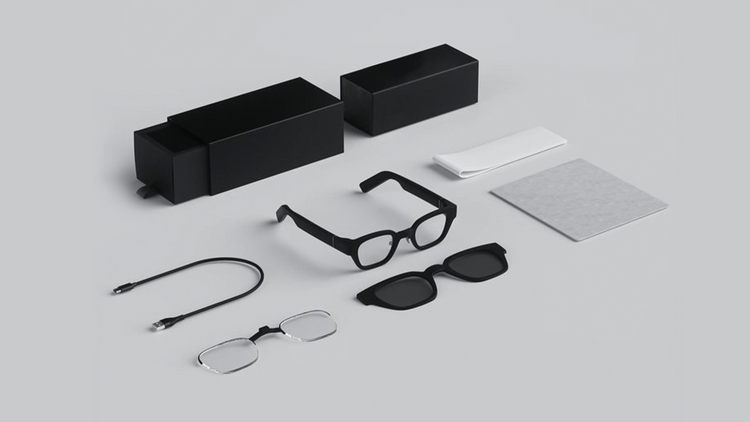
Hearview offers wearable subtitle glasses that display real-time captions from speech. While not a substitute for museum-provided accommodations, they can be a helpful supplement. For example, during a guided tour, the glasses can caption the guide's speech if the museum does not provide captioning. They can also be used for conversations with companions or staff. Hearview glasses work with a smartphone app and support multiple languages. They are not medical devices and should not replace professional hearing care. Always consult with a healthcare provider for hearing-related medical questions.
FAQ
Do all museums offer captioned tours?
No, not all museums offer captioned tours. It's best to check the museum's website or contact them directly to inquire about captioned tour availability and any reservation requirements.
Can I use my hearing aid with a museum's assistive listening system?
It depends on the system. Many assistive listening systems are compatible with hearing aids via a neckloop or telecoil. Ask the museum about the type of system they use and whether it works with your hearing aid.
What if a museum doesn't have hearing loops?
If a museum lacks hearing loops, you can still use other accommodations like captioned tours, assistive listening devices, or personal captioning solutions. Always ask about all available options when planning your visit.
Conclusion
Museum accessibility for hard-of-hearing visitors is improving, with many venues offering captioned tours, assistive listening systems, and hearing loops. By planning ahead and communicating your needs, you can enjoy a more inclusive museum experience. For added flexibility, consider a personal captioning device like Hearview to supplement available accommodations. Start by checking the museum's accessibility information and reach out to their team with any questions.