
Museum Workshop Accessibility for Deaf Families: Visual Instructions a

Table of Contents
- Introduction
- Common Challenges in Museum Workshops for Deaf Families
- Visual Instructions: A Foundation for Accessibility
- Captioned Demonstrations and Real-Time Captioning
- Group Participation Strategies
- Accessibility Checklist for Museum Workshops
- How Hearview Supports Accessible Workshops
- Frequently Asked Questions
- Conclusion
Introduction
Museum workshops offer hands-on learning and creative fun for families, but for deaf and hard of hearing families, accessibility barriers can turn an exciting outing into a frustrating experience. Without proper accommodations, children and adults may miss key instructions, feel left out of group discussions, or struggle to follow along with noisy activities. This article provides practical guidance on museum workshop accessibility for deaf families, focusing on visual instructions, captioned demonstrations, and inclusive group participation. Whether you are a museum educator planning an event or a caregiver seeking accessible family activities, these tips will help create a welcoming environment for everyone.
Common Challenges in Museum Workshops for Deaf Families
Museum workshops often involve verbal instructions, group conversations, and background noise—all of which can pose challenges for deaf and hard of hearing participants. Common issues include:
- Auditory instructions: Step-by-step directions given verbally may be missed.
- Group discussions: Fast-paced conversations among multiple speakers are hard to follow.
- Background noise: Echoes, chatter, and activity sounds can mask speech.
- Instructor visibility: If the instructor’s face is not visible, lipreading is impossible.
- Lack of captions: Videos or slides shown without captions exclude deaf viewers.
Addressing these challenges requires thoughtful planning and the use of visual and text-based accommodations.
Visual Instructions: A Foundation for Accessibility
Visual instructions are a powerful tool for making museum workshops accessible. They benefit not only deaf participants but also those with attention or language differences. Consider these approaches:
Use Written and Pictorial Guides
Provide a printed or digital handout with step-by-step written instructions and clear diagrams. For younger children, use icons and pictures to illustrate each step. This allows families to refer back to the instructions at their own pace.
Display Instructions on Screens
If the workshop uses a projector or screen, display the instructions in large, easy-to-read text. Pair each step with a visual example. Ensure the text is visible from all seating areas.
Demonstrate with Visual Cues
When the instructor demonstrates a technique, they should use exaggerated gestures, point to materials, and model each action slowly. Narrate the steps while demonstrating, but also have the text visible.
Captioned Demonstrations and Real-Time Captioning
For workshops that include video or live demonstrations, captions are essential. Here are some options:
- Pre-recorded videos: Always include accurate captions. Use a professional captioning service or tools like YouTube’s caption editor to ensure quality.
- Live demonstrations: Use a speech-to-text app or service to provide real-time captions on a screen. Alternatively, a volunteer can type key points.
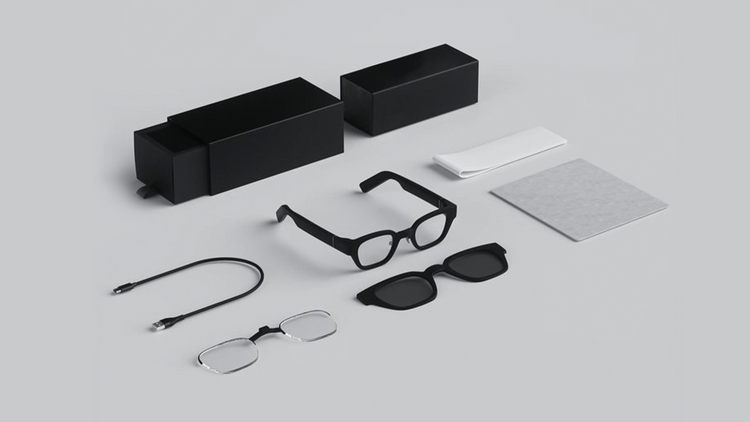
- Hearview glasses: For a more personal solution, deaf participants can wear Hearview subtitle glasses that display captions directly in their field of view, allowing them to follow the instructor’s speech without looking away.
Real-time captioning helps deaf children and adults stay engaged and ask questions during the workshop.
Group Participation Strategies
Group activities can be challenging when multiple people speak at once. To foster inclusive participation:
Use a Talking Stick or Visual Turn-Taking
Designate an object (like a colorful stick) that indicates whose turn it is to speak. This helps everyone know who is talking and reduces overlapping speech.
Provide Discussion Prompts Visually
Write questions or prompts on a whiteboard or slide. Participants can point to or write their answers. This encourages non-verbal participation.
Pair Deaf and Hearing Participants
If the group includes both deaf and hearing families, pair them up for activities. This promotes natural communication and peer support.
Allow Extra Time
Deaf participants may need extra time to process information or to communicate via sign language. Build in pauses and be patient.
Accessibility Checklist for Museum Workshops
Use this checklist when planning or evaluating a museum workshop for deaf families:
- Visual instructions provided (handout or screen).
- Captioned videos or real-time captioning available.
- Instructor faces participants and speaks clearly.
- Background noise minimized (e.g., quiet room, soft surfaces).
- Turn-taking system in place for group discussions.
- Sign language interpreter or captioning service booked if needed.
- Assistive listening devices or Hearview glasses available.
- Lighting allows for lipreading and sign language visibility.
- Materials are accessible (e.g., large print, tactile elements).
- Staff trained on deaf awareness and communication tips.
How Hearview Supports Accessible Workshops
Hearview subtitle glasses offer a discreet and effective way for deaf and hard of hearing individuals to access spoken content in real time. During a museum workshop, a child or adult can wear the glasses and see captions of the instructor’s speech, as well as any audio from videos, directly in their line of sight. This eliminates the need to constantly look at a separate screen or interpreter, allowing them to focus on the hands-on activity. Hearview glasses are lightweight, easy to use, and can be connected to a smartphone or tablet via Bluetooth. They are an excellent accommodation for family museum classes where multiple speakers and background noise are common. For more information, visit the Hearview product page.
Frequently Asked Questions
1. Can Hearview glasses be used with any museum workshop?
Hearview glasses work with any audio source that can be transmitted to a smartphone, such as a microphone worn by the instructor or the audio output from a video. For best results, the museum should provide a direct audio feed or use a compatible microphone system. Always check with the museum in advance about their audio setup.
2. Are there any age restrictions for using Hearview glasses?
Hearview glasses are designed for adults and older children. For younger children, a parent or caregiver may wear the glasses and then communicate the captions to the child using sign language or simple language. Alternatively, the museum can provide a separate screen with captions for the whole family to see.
3. Do I need to book a sign language interpreter if I use Hearview glasses?
Hearview glasses provide captions but do not replace sign language interpretation. Some deaf individuals prefer sign language, while others rely on captions. It is best to ask the family what accommodations they need. Providing both options ensures full accessibility.
Conclusion
Creating an accessible museum workshop for deaf families is not only possible but also enriching for all participants. By incorporating visual instructions, captioned demonstrations, and thoughtful group participation strategies, museums can ensure that every family member feels included and engaged. Tools like Hearview subtitle glasses further enhance accessibility by providing real-time captions directly to the user. As a next step, review the checklist above for your next workshop, and consider offering Hearview glasses as an accommodation option. Together, we can make family museum classes a welcoming experience for everyone.