
Public Library Accessibility for Hard-of-Hearing Patrons: Events, Desk

Table of Contents
- Introduction
- Accessible Reference Desk
- Captioned Library Events
- Inclusive Study Rooms
- Library Assistive Listening Systems
- Accessibility Checklist
- How Hearview Fits In
- Frequently Asked Questions
- Conclusion
Introduction
Public libraries are essential community hubs, yet many hard-of-hearing patrons face barriers when trying to access services. Whether it's a muffled conversation at the reference desk, an un-captioned program, or a noisy study room, the lack of accommodations can be frustrating. This article provides actionable guidance for improving public library accessibility for hard-of-hearing patrons, covering events, desks, and study rooms. We'll explore practical solutions—from assistive listening to captioned events—that help create an inclusive environment. Always consult with accessibility professionals and legal experts for specific compliance needs.
Accessible Reference Desk
The reference desk is often the first point of contact. To make it accessible:
- Use clear speech and face the patron. Avoid covering your mouth.
- Provide a quiet, well-lit area to reduce visual and auditory distractions.
- Offer a personal assistive listening device or a portable amplifier.
- Install a hearing loop at the desk for patrons with telecoil-equipped hearing aids.
- Have a notepad and pen or a small whiteboard for written communication.
- Train staff on effective communication strategies, such as rephrasing rather than repeating.
For complex inquiries, consider a quiet consultation area away from background noise.
Captioned Library Events
Events like author talks, workshops, and storytimes should be accessible. Captioning ensures hard-of-hearing patrons can follow along. Options include:
- Real-time captioning (CART) for live events, displayed on a screen or personal device.
- Pre-recorded captions for videos shown during programs.
- Open captions on a large display for all attendees.
- Personal captioning via smartphone apps or dedicated devices.
When planning events, include captioning in the budget and promote the accommodation in marketing materials. For hybrid events, ensure both in-person and virtual attendees have access to captions.
Inclusive Study Rooms
Study rooms should be designed to minimize noise and maximize visual communication. Key features:
- Sound-absorbing materials like carpets, acoustic panels, and heavy curtains.
- Good lighting for lip-reading and sign language.
- Clear sightlines to the door and any staff assistance buttons.
- Visual alert systems (flashing lights) for fire alarms or time reminders.
- Availability of assistive technology on request, such as a portable hearing loop or captioning device.
Consider designating one study room as a “quiet zone” with enhanced acoustic treatment.
Library Assistive Listening Systems
Assistive listening systems (ALS) transmit sound directly to a listener’s hearing aid or headset. Common types:
- Hearing loops (induction loops) – work with telecoil-equipped hearing aids.
- FM systems – use radio waves; patron wears a receiver and headset or neckloop.
- Infrared systems – use light waves; good for confidential settings.
- Bluetooth systems – stream audio to smartphones or hearing aids.
Libraries should have at least one portable ALS available for checkout or use in meeting rooms. Post signage indicating the type of system available.
Accessibility Checklist for Library Staff
Use this checklist to evaluate your library’s current accommodations:
- ☐ Reference desk has a hearing loop or portable amplifier.
- ☐ Staff trained in communication strategies for hard-of-hearing patrons.
- ☐ All public events offer captioning (CART or open captions).
- ☐ Study rooms have visual fire alarms and good lighting.
- ☐ Assistive listening devices are available for checkout.
- ☐ Library website and signage promote accessibility options.
- ☐ Feedback mechanism for patrons to request accommodations.
How Hearview Fits In
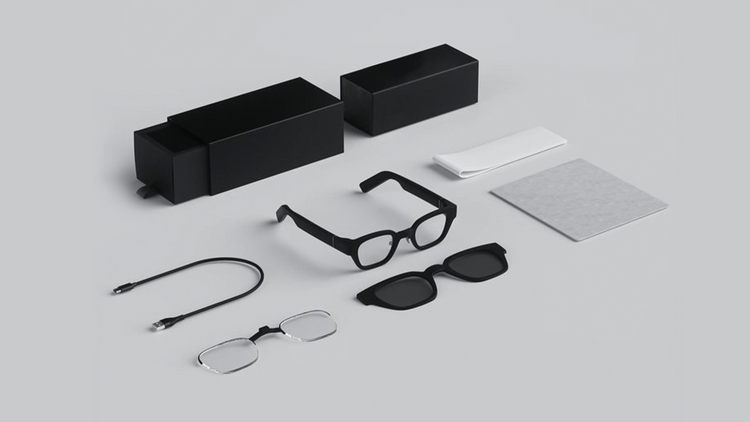
Hearview offers MyVu Air subtitle glasses that provide real-time captions directly in the wearer’s field of view. These glasses can be a valuable tool for library patrons who prefer personal, discreet captioning. For example, during a captioned event, a patron could use MyVu Air to read captions without relying on a public screen. At the reference desk, a staff member could speak into a smartphone app, and the patron would see the captions on the glasses. While Hearview glasses are not a substitute for other accommodations like hearing loops or CART, they offer a flexible, portable option for many situations. Libraries might consider having a pair available for demonstration or checkout, complementing existing assistive technologies.
Frequently Asked Questions
1. Are public libraries required by law to provide accommodations for hard-of-hearing patrons?
In many countries, public libraries as government entities must comply with disability access laws, such as the Americans with Disabilities Act (ADA) in the U.S. These laws require effective communication, which may include assistive listening devices, captioning, or other aids. However, specific requirements vary, so consult legal guidance for your jurisdiction.
2. What is the most cost-effective way to improve library accessibility?
Start with staff training and simple tools like notepads and portable amplifiers. Then invest in a hearing loop for high-traffic areas and arrange captioning for popular events. Many captioning apps are low-cost or free for personal use.
3. Can I bring my own assistive device to the library?
Yes, patrons are welcome to use their own devices, such as hearing aids, FM receivers, or captioning glasses. Libraries should be prepared to support these devices (e.g., by providing audio feeds or Bluetooth pairing).
Conclusion
Improving public library accessibility for hard-of-hearing patrons is an ongoing process that benefits everyone. By focusing on the reference desk, events, study rooms, and assistive technology, libraries can create a welcoming environment. Start with a simple checklist, train your staff, and consider adding personal captioning tools like Hearview’s MyVu Air glasses to your accommodation options. For more information, explore the resources available through disability advocacy organizations and your local library network.
Practice the Communication Plan Before You Need It
A short practice run can reveal gaps that are easy to miss on paper. Choose a low-pressure time, explain the preferred communication method, test the device or written backup, and confirm how the other person should get your attention. Check lighting, distance, background noise, battery level, connectivity, and whether important details can be reviewed in writing. If the situation involves health, employment, travel security, or safety, identify the formal accommodation or trained professional responsible for effective communication; a personal tool is only one layer. Save essential names, questions, account details, and emergency contacts where they can be reached quickly. After the interaction, note what worked and what caused confusion. Adjust the plan rather than assuming the same setup will work everywhere. This rehearsal makes public library accessibility for hard-of-hearing patrons more predictable while preserving privacy, choice, and a reliable fallback.