
Retail Shopping Communication for Deaf Customers: Product Questions an

Table of Contents
- The Challenge: Noisy Stores and Fast Talk
- Before You Shop: Planning Ahead
- In-Store Communication Strategies
- Getting the Most from Product Demonstrations
- What Retail Staff Can Do to Help
- Where Hearview Fits: Real-Time Captions for In-Store Moments
- Frequently Asked Questions
- Conclusion: Your Next Step
The Challenge: Noisy Stores and Fast Talk
Retail environments are often filled with background music, announcements, and multiple conversations. For deaf and hard-of-hearing customers, this can make asking a simple product question or following a demonstration feel overwhelming. Staff may speak quickly, turn away, or rely on verbal explanations that aren't accessible. But with a little planning and the right accommodations, you can navigate these situations confidently.
Before You Shop: Planning Ahead
Preparation can make a big difference. Here are some steps to consider before heading to the store:
- Research online: Look up product details, specifications, and customer reviews on the retailer's website. This reduces the number of questions you need to ask in person.
- Check for accessibility info: Some stores list accessibility features on their website, such as sign language interpreter availability or captioning on in-store videos.
- Contact the store in advance: Send an email or use a relay service to ask about accommodations. For example, you might request a written summary of a product's features or a quiet area for discussion.
- Bring communication tools: Consider carrying a small notebook and pen, a smartphone with a note-taking app, or a speech-to-text app. These can bridge gaps when verbal communication is difficult.
In-Store Communication Strategies
Once you're in the store, try these approaches to improve communication with staff:
- Signal your communication preference: Politely let the staff member know you are deaf or hard of hearing. You can say, “I’m deaf, please face me when you speak,” or show a pre-written card.
- Use visual aids: Point to products, show pictures on your phone, or write down specific questions. Visual cues reduce reliance on spoken language.
- Ask for written information: Many stores have printed spec sheets or can write down key details. Don't hesitate to ask, “Could you write that down for me?”
- Request a quieter spot: If the area is noisy, ask if you can move to a less busy part of the store. This helps reduce background noise and makes lip-reading or using assistive technology easier.
- Use speech-to-text apps: Apps like Google Live Transcribe or Otter.ai can convert spoken words into text in real time. Position your phone so the staff member's voice is captured clearly.
Getting the Most from Product Demonstrations
Product demos are often fast-paced and verbal. Here’s how to ensure you get the information you need:
- Ask for a structured demo: Request that the staff member explain each step slowly and point to what they are doing. For example, “Please show me how to adjust the settings, and point to each button as you go.”
- Use captions if available: Some stores have video demos with captions. Ask if a captioned version is available. If not, you can use a live captioning app to follow along.
- Request a written summary: After the demo, ask for a bullet-point list of the key features or steps. This gives you a reference to take home.
- Bring a friend or interpreter: If the purchase is important, consider bringing a family member, friend, or professional interpreter to assist with communication.
What Retail Staff Can Do to Help
Retailers can improve the shopping experience for deaf customers with a few simple practices:
- Face the customer: Always speak directly to the customer, not to a companion or interpreter.
- Speak clearly and at a moderate pace: Avoid shouting, which distorts lip movements. Use natural gestures to support your words.
- Provide written materials: Have product spec sheets, price lists, and return policies available in print or digital format.
- Use captioned videos: Ensure any in-store promotional videos include captions. This benefits all customers in noisy environments.
- Offer quiet spaces: Designate a low-noise area for consultations or demonstrations.
Under the Americans with Disabilities Act (ADA), retail stores are required to provide effective communication accommodations for customers with disabilities. This may include providing a sign language interpreter for complex transactions or ensuring that written information is available. If you encounter barriers, you can request an accommodation and, if needed, file a complaint with the Department of Justice. However, this article does not constitute legal advice; for specific legal questions, consult a qualified attorney.
Where Hearview Fits: Real-Time Captions for In-Store Moments
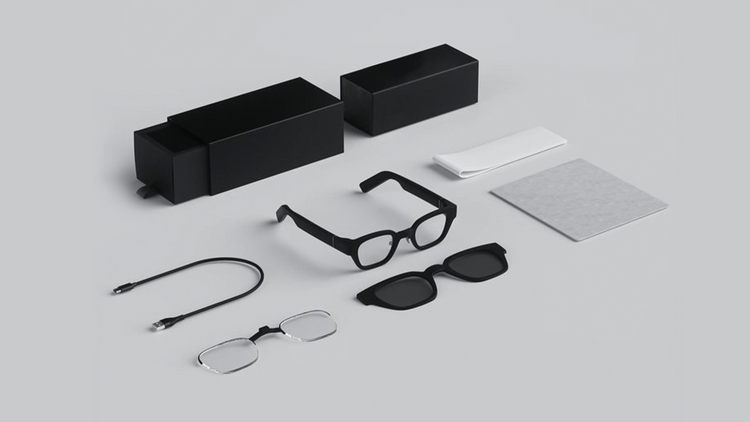
Hearview offers smart glasses that display real-time captions of conversations directly in your field of view. While they are not a replacement for all communication strategies, they can be a helpful tool in retail settings. For example, when a staff member is explaining a product feature, the glasses can transcribe their speech so you can read it while maintaining eye contact. This can reduce the need to look down at a phone or ask for repetition. However, caption accuracy depends on clear speech and background noise levels. Hearview glasses work best when used alongside other accommodations, such as written materials or quiet spaces. They are designed to support—not replace—effective communication. For medical or legal advice, always consult a professional.
Frequently Asked Questions
Can I ask a store to provide a sign language interpreter?
Yes, under the ADA, stores must provide effective communication, which may include a qualified interpreter for complex or lengthy transactions. It's best to request this in advance to allow the store time to arrange one.
What if a store employee refuses to write down information?
Politely explain that you are deaf and need written information to understand. If they still refuse, you can ask to speak with a manager or contact the store's customer service later. You also have the right to file a complaint under the ADA if the store does not provide reasonable accommodations.
Are there any apps that help with in-store communication?
Yes, several apps can help. Speech-to-text apps like Google Live Transcribe, Otter.ai, or Microsoft Translator can convert spoken words to text. Note-taking apps like Notes or Google Keep allow you to type questions. Some stores also have their own apps with product information and chat features.
Conclusion: Your Next Step
Shopping as a deaf or hard-of-hearing customer doesn't have to be frustrating. By planning ahead, using visual tools, and knowing your rights, you can get the product information you need. Start by trying one or two strategies from this article on your next shopping trip. And if you're interested in a tool that brings captions directly to your line of sight, consider exploring Hearview's subtitle glasses. They are one of many accommodations that can make retail communication clearer and more independent.