
Senior Center Accessibility for Hearing Loss: Activities, Announcement

Senior centers are vital hubs for community connection, learning, and recreation. However, for the millions of older adults with hearing loss, these centers can sometimes feel isolating. Background noise, group announcements, and fast-paced conversations create barriers that make participation difficult. This guide explores practical ways to improve senior center accessibility for hearing loss, focusing on activities, announcements, and social time. Whether you are a center director, activity coordinator, or a family member, these strategies can help create a more inclusive environment.
Table of Contents
Understanding the Challenge
Hearing loss is one of the most common conditions among older adults, affecting approximately one in three people over 65. In a senior center setting, common challenges include:
- Background noise: Open rooms, hard floors, and multiple conversations make it hard to hear.
- Group announcements: PA systems may be unclear or not used consistently.
- Fast-paced conversations: Social time can be overwhelming for those with hearing loss.
- Activity instructions: Exercise classes, crafts, or games often rely on verbal directions.
These barriers can lead to withdrawal, frustration, and reduced participation. But with thoughtful planning and accommodations, senior centers can become welcoming places for everyone.
Announcements and Group Instructions
Clear communication is the foundation of accessibility. Here are strategies for making announcements and instructions more inclusive:
Use Visual Aids
- Display key announcements on a screen or bulletin board in large, clear text.
- Use slides or posters for daily schedules, menu changes, and event reminders.
- Provide printed handouts for complex instructions (e.g., craft steps or exercise routines).
Optimize Audio Systems
- Invest in a quality PA system with multiple microphones and speakers.
- Use a hearing loop or FM system that transmits directly to hearing aids with telecoils.
- Train staff to speak clearly, face the audience, and avoid covering their mouths.
Captioning for Live Speech
- For important announcements, consider real-time captioning using a service or app.
- Pre-recorded videos should always include captions.
- Encourage staff to write down key points on a whiteboard.
Activities for Hard of Hearing Seniors
Many popular senior center activities can be adapted to be more hearing-loss friendly. Here are some ideas:
Exercise Classes
- Use visual cues: Demonstrate movements, use hand signals, and provide written or illustrated instructions.
- Play music at a moderate volume and avoid competing noise.
- Position the instructor where everyone can see their face.
Games and Puzzles
- Choose games that rely less on verbal communication, such as bingo with large visual cards, puzzles, or card games.
- For word games, provide written prompts or use a large display.
- Encourage small groups to reduce background noise.
Arts and Crafts
- Provide step-by-step visual guides.
- Use one-on-one or small group instruction when possible.
- Ensure good lighting so participants can see facial expressions and materials.
Educational Programs
- Invite speakers who are aware of hearing loss accommodations.
- Provide captioning or a sign language interpreter if needed.
- Distribute presentation materials in advance.
Social Connection and Meal Times
Social interaction is a key benefit of senior centers, but it can be challenging for those with hearing loss. Here are ways to foster connection:
Seating Arrangements
- Arrange tables in a U-shape or small circles so everyone can see each other.
- Place those with hearing loss near the center of the group, with their back to the wall to reduce background noise.
- Use tablecloths or soft furnishings to absorb sound.
During Meals
- Keep background music low or off.
- Encourage staff to check in with individuals who may be struggling to hear.
- Provide menus in large print and allow extra time for ordering.
Structured Social Activities
- Organize small discussion groups with a clear topic.
- Use a talking stick or other visual cue to indicate who is speaking.
- Pair new members with a buddy who can help facilitate communication.
Assistive Technology Options
Technology can bridge many gaps. Here is a comparison of common assistive listening devices:
| Device | How It Works | Best For | Considerations |
|---|---|---|---|
| Hearing Loop | Wireless signal transmitted to hearing aid telecoil | Group settings, auditoriums | Requires hearing aids with telecoil; installation cost |
| FM System | Speaker uses a microphone, listener wears a receiver | Classes, tours | Multiple receivers needed; batteries |
| Personal Amplifier | Small device with microphone and headphones | One-on-one conversations | Not suitable for groups |
| Captioning Glasses | Real-time captions displayed on glasses | Conversations, announcements | Requires smartphone app; user preference |
When choosing technology, consider the specific needs of your members and the types of activities offered. It is also helpful to have a variety of options available so individuals can choose what works best for them.
Where Hearview Fits
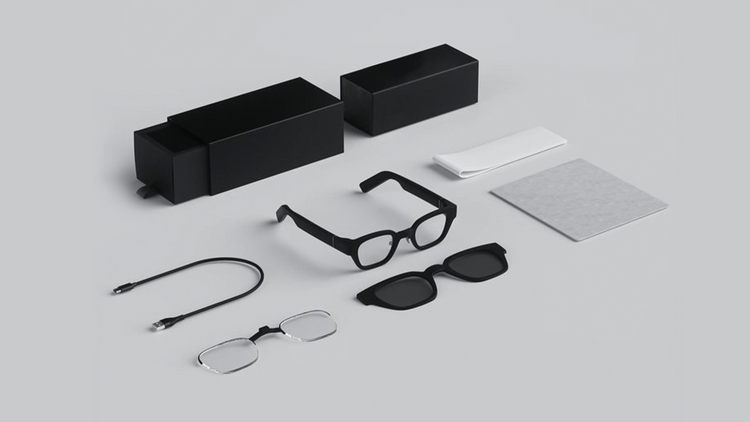
Hearview offers captioning glasses that display real-time captions directly in the user's field of vision. For senior center members with hearing loss, these glasses can be a valuable tool during announcements, group discussions, and social time. The glasses work with a smartphone app to transcribe speech, making it easier to follow conversations without relying solely on hearing. While not a replacement for hearing aids or medical treatment, Hearview glasses provide an additional layer of accessibility that can enhance participation. They are particularly useful in situations where background noise is high or when the speaker is not facing the listener. As with any assistive technology, individual results may vary, and it is important to consult with a hearing professional for personalized guidance.
FAQ
1. What is the best way to announce daily activities for hard of hearing seniors?
Use a combination of visual and auditory methods. Display the schedule on a large screen or bulletin board, make printed copies available, and verbally announce with a clear microphone. Consider real-time captioning for important updates.
2. How can I make exercise classes more accessible for members with hearing loss?
Use visual demonstrations, hand signals, and written instructions. Keep music at a moderate level and position the instructor where everyone can see their face. Small class sizes also help reduce noise.
3. Are there specific activities that are easier for seniors with hearing loss?
Activities that rely less on verbal communication, such as visual arts, puzzles, bingo with large cards, and gentle stretching with visual cues, are often more accessible. However, with proper accommodations, most activities can be adapted.
Conclusion
Improving senior center accessibility for hearing loss is not just about compliance—it is about fostering a community where everyone feels welcome and engaged. By implementing clear communication strategies, adapting activities, and leveraging assistive technology, senior centers can ensure that members with hearing loss can fully participate in all aspects of center life. Start with small changes, such as improving seating arrangements and using visual aids, and gradually incorporate more advanced solutions like captioning or hearing loops. Remember, every step toward inclusivity makes a difference.
For those looking for an additional tool to support communication, consider exploring Hearview's captioning glasses as part of your accessibility toolkit. Always consult with a hearing healthcare professional for personalized advice.