
Small Business Customer Service for Deaf Shoppers: Practical Accessibi

Table of Contents
- Why It Matters for Your Small Business
- Daily Communication Habits
- Handling Product Questions and Demos
- Checkout and Payment Communication
- Written Backup: Notes, Screens, and Captions
- Where Hearview Fits
- Frequently Asked Questions
- Conclusion: Start Small, Build Trust
Why It Matters for Your Small Business
Every day, deaf and hard of hearing shoppers walk into small businesses hoping for a smooth experience. Yet many encounter barriers: a rushed greeting, a mumbled response, or a lack of visual cues. These small moments can turn a potential loyal customer away. According to the ADA, effective communication is a key part of accessible customer service. For small businesses, this doesn't require expensive technology—just awareness and a few simple habits.
By adopting deaf-friendly practices, you not only comply with legal guidance but also tap into a community that values businesses that make an effort. In this article, we'll explore practical, low-cost strategies to improve your small business customer service for deaf shoppers. Whether you run a boutique, a café, or a repair shop, these tips will help you communicate clearly and respectfully.
Daily Communication Habits
Start with a Smile and Eye Contact
Before any words are exchanged, your body language sets the tone. A warm smile and direct eye contact signal that you are ready to help. For deaf shoppers, visual cues are especially important. Avoid looking down at a register or turning away while speaking.
Use Gestures and Pointing
Simple gestures—like pointing to a menu item, mimicking an action, or using hand signals for numbers—can bridge gaps. For example, if a customer asks about a product, point to it and then to a feature you want to highlight. This visual communication is natural and effective.
Speak Clearly, but Don't Shout
If you are unsure whether a customer is deaf or hard of hearing, speak clearly at a normal volume. Shouting distorts lip movements and can be uncomfortable. If the customer uses a hearing aid or cochlear implant, background noise can be overwhelming. Try to minimize noise from music or machinery.
Offer a Pen and Paper
Keep a small notepad and pen at the counter. Many deaf shoppers are comfortable writing back and forth. This simple tool can resolve complex questions quickly. You can also use a smartphone's notes app or a whiteboard.
Handling Product Questions and Demos
When a deaf shopper asks about a product, they may need more visual information. Here's how to make product questions and demos accessible:
- Show, Don't Just Tell: Demonstrate the product's features visually. For example, if you sell electronics, turn it on and show the display. If you sell clothing, hold it up and point to fabric details.
- Use Visual Aids: Have printed spec sheets, diagrams, or QR codes linking to video demonstrations with captions. This allows the customer to review information at their own pace.
- Check for Understanding: After explaining, ask a simple yes/no question like, “Does that answer your question?” or “Would you like to see more?” Use a thumbs-up or thumbs-down gesture if needed.
- Be Patient: Communication may take a little longer. Avoid rushing or finishing the customer's sentences. Let them lead the pace.
For demos, consider using a tablet or screen to show captioned videos. If you have a product that requires audio, provide a visual alternative, such as a written description of sounds or a vibration demo.
Checkout and Payment Communication
The checkout process can be stressful if communication breaks down. Here are tips to make it smooth:
- Show the Total Visually: Point to the register screen or write the total on a notepad. Many point-of-sale systems display the amount clearly.
- Confirm Payment Method: Use gestures for credit card (point to card), cash (point to bills), or mobile payment (show phone). You can also ask, “Card?” with a questioning look.
- Provide a Written Receipt: Always offer a receipt, and if the customer wants to ask a question about the purchase, be ready to write or type.
- Use a Text-Based Queue System: If your business uses a buzzer or pager, ensure it has a visual alert (flashing light) rather than only sound. Alternatively, use a text message system.
Written Backup: Notes, Screens, and Captions
Having a written backup for key information is a cornerstone of accessible customer service. Consider these options:
- Printed Menus and Price Lists: Ensure they are clear, large-print if possible, and available at the counter.
- Digital Screens: Use a tablet or monitor to display information such as daily specials, return policies, or step-by-step instructions.
- Captioned Videos: If you have promotional videos, make sure they include accurate captions. This helps deaf shoppers and also benefits those in noisy environments.
- QR Codes: Link to web pages with detailed product information, FAQs, or a contact form for follow-up questions.
Remember, written communication is not just for deaf shoppers—it helps everyone, including non-native speakers and people with auditory processing difficulties.
Where Hearview Fits
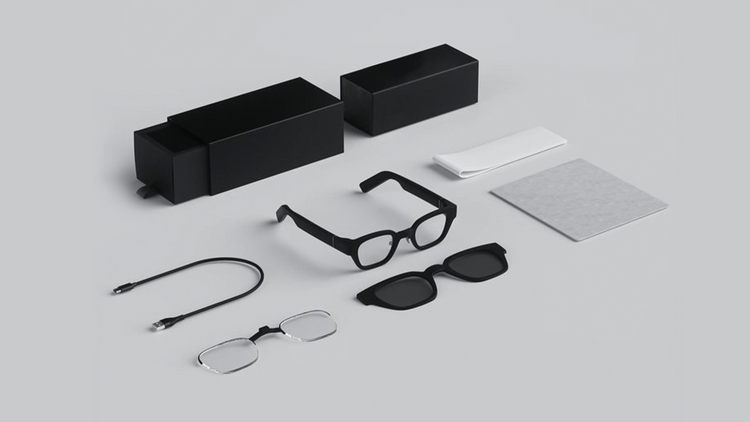
For businesses that want to take accessibility a step further, real-time captioning technology can be a game-changer. Hearview's MyVu Air Subtitle Glasses display captions directly in the user's field of view, allowing deaf shoppers to read spoken conversations without looking away. While not a replacement for the habits above, these glasses can enhance communication during longer interactions, such as consultations or training sessions. They are especially useful in noisy environments where lip-reading is difficult. As with any assistive technology, individual needs vary, so it's best to ask customers if they would like to use such a tool. Remember, the most important thing is to be open and willing to adapt.
Frequently Asked Questions
Do I need to learn sign language to serve deaf customers?
No, while learning basic signs like “hello” and “thank you” is appreciated, it is not required. Many deaf shoppers are comfortable with writing, gestures, or using speech-to-text apps. The key is to be patient and find a communication method that works for both of you.
What if a deaf customer brings an interpreter?
Speak directly to the customer, not the interpreter. The interpreter is there to facilitate communication, not to speak for the customer. Maintain eye contact with the customer and address them directly. If you have questions, ask the customer, not the interpreter.
Are there legal requirements for small businesses to accommodate deaf shoppers?
Under the Americans with Disabilities Act (ADA), businesses open to the public must provide effective communication. This does not always mean providing an interpreter; it can be as simple as using pen and paper. The requirement is to ensure that the customer can understand and be understood. For specific legal guidance, consult with a professional.
Conclusion: Start Small, Build Trust
Improving your small business customer service for deaf shoppers doesn't require a big budget. Start with one or two habits: keep a notepad at the counter, use gestures, and make eye contact. As you become more comfortable, you can add more tools like captioned videos or assistive technology. The effort you put in will be noticed and appreciated, building loyalty among deaf and hard of hearing customers. Remember, accessibility is an ongoing journey, not a one-time fix. By being open to feedback and continuously improving, you create a welcoming environment for everyone.