
Tax Appointment Accommodations for Hearing Loss: A Preparation Checkli

Table of Contents
- Why Accommodations Matter for Tax Appointments
- Before the Appointment: Planning Ahead
- During the Appointment: Communication Strategies
- Tax Appointment Accommodations Checklist
- How Hearview Can Support Your Tax Appointment
- Frequently Asked Questions
- Conclusion
Why Accommodations Matter for Tax Appointments
Tax appointments involve complex financial discussions, specialized vocabulary, and precise number verification. For individuals with hearing loss, missing key details can lead to errors, misunderstandings, or missed deductions. The Americans with Disabilities Act (ADA) requires tax professionals to provide effective communication accommodations, but proactive planning ensures a smooth experience. This checklist helps you prepare for an accessible accountant appointment, whether you use sign language, captions, or other assistive technology.
Before the Appointment: Planning Ahead
Identify Your Communication Needs
Consider what accommodations work best for you. Options include:
- Sign language interpreter – Request in advance; some tax offices can arrange one.
- Real-time captioning (CART) – Provides live text of spoken conversation.
- Speech-to-text apps – Use your smartphone or a dedicated device.
- Assistive listening devices – Such as hearing loops or FM systems.
- Written communication – Exchange notes or use a shared document.
Contact the tax preparer at least two weeks before the appointment to discuss accommodations. Confirm that they can provide or allow your chosen method.
Gather Your Documents
Having organized paperwork reduces the need for back-and-forth clarification. Bring:
- Tax returns from previous years
- W-2s, 1099s, and other income statements
- Receipts for deductions (medical, charitable, etc.)
- Bank account and routing numbers for direct deposit
- Photo ID and Social Security cards
Plan for Number Verification
Numbers are critical in tax preparation. To avoid errors:
- Ask the preparer to write down or display key figures.
- Use a shared screen or paper to verify totals.
- Repeat numbers back to confirm accuracy.
During the Appointment: Communication Strategies
Set Up Your Environment
Choose a quiet, well-lit location. Sit facing the preparer to maximize visual cues. If using captions or a speech-to-text app, test the device beforehand.
Use Visual Aids
Ask the preparer to use a whiteboard, notepad, or shared computer screen to illustrate complex points. Many tax software programs can display information on a second monitor.
Confirm Understanding
After each major section, summarize what you heard. For example: “So my total income is $50,000, and I’m eligible for the standard deduction, correct?” This ensures both parties agree.
Request Written Summaries
At the end of the meeting, ask for a written summary of key decisions, numbers, and next steps. This serves as a reference and reduces the chance of miscommunication.
Tax Appointment Accommodations Checklist
Use this checklist to prepare for your deaf tax preparation meeting or any accessible accountant appointment.
- ☐ Identify accommodation needs (interpreter, captions, etc.)
- ☐ Contact tax office 2 weeks ahead to arrange accommodations
- ☐ Confirm the office’s policy on assistive technology
- ☐ Gather all tax documents and organize them
- ☐ Prepare a list of questions or concerns
- ☐ Test captioning or speech-to-text app before the meeting
- ☐ Bring backup communication tools (pen and paper, phone)
- ☐ Request written confirmation of all figures and decisions
- ☐ Ask for a follow-up email with appointment summary
How Hearview Can Support Your Tax Appointment
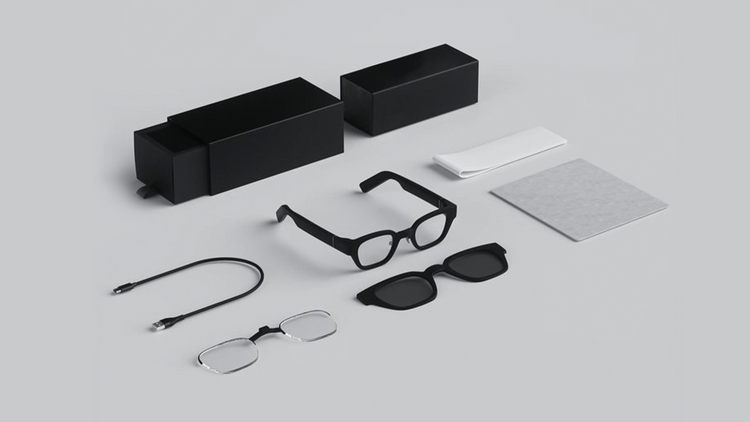
For individuals with hearing loss who prefer real-time captions without relying on a separate device, Hearview offers smart glasses that display captions directly in your field of view. During a tax appointment, you can wear the glasses and read the conversation as it happens, allowing you to maintain eye contact with the preparer and catch every detail. The glasses work with a smartphone app to transcribe speech into text. While they are not a replacement for professional medical or legal advice, they can be a helpful tool for captions for financial appointments. Always discuss your specific needs with your tax professional and consult with a hearing specialist for personalized recommendations.
Frequently Asked Questions
1. Can I bring my own captioning device to a tax appointment?
Yes, most tax offices will allow you to use your own assistive technology, such as a speech-to-text app or captioning glasses. It’s best to inform them in advance so they can accommodate any setup needs.
2. Do I need to pay for accommodations like an interpreter?
Under the ADA, tax professionals are generally responsible for providing effective communication, which may include paying for an interpreter or other aids. However, policies vary, so discuss costs when scheduling your appointment.
3. What if the tax preparer is not familiar with hearing loss accommodations?
Politely explain your needs and suggest specific solutions, such as writing down key numbers or using a captioning app. If they are unwilling to accommodate, consider finding a more accessible provider.
Conclusion
Preparing for a tax appointment with hearing loss requires planning, but the right accommodations can make the process smooth and accurate. Use this checklist to ensure you have everything in place, from communication tools to document organization. Remember, you have the right to effective communication under the ADA. For additional support, consider using Hearview’s captioning glasses to enhance your experience. Learn more about Hearview and how it can assist with captions for financial appointments.