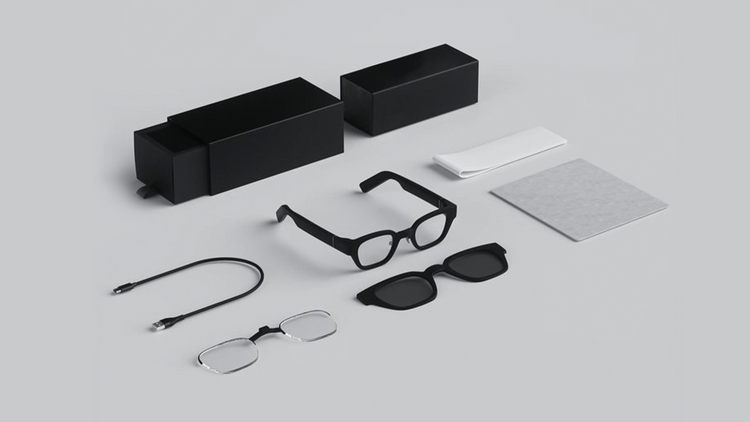

Can You Wear Caption Glasses With Hearing Aids? Fit and Comfort Guide

Table of Contents
- Understanding the Challenge
- Key Fit Factors for Caption Glasses and Hearing Aids
- Practical Checklist for Compatibility
- Where Hearview Fits
- Frequently Asked Questions
- Conclusion
Understanding the Challenge
For many people with hearing loss, hearing aids are essential for daily communication. But what if you also want to use caption glasses—smart glasses that display real-time speech as text on the lenses? The question “can you wear caption glasses with hearing aids” is common, and the answer depends on several factors related to fit, comfort, and device compatibility.
Caption glasses typically have thicker temples (the arms that go over your ears) to house the electronics. Hearing aids, especially behind-the-ear (BTE) models, also sit behind the ear. This can create a physical conflict: the glasses temple and the hearing aid may press against each other, causing discomfort or even feedback. However, with careful planning and the right adjustments, many people successfully use both devices together.
This guide will walk you through the key considerations, provide a practical checklist, and offer advice on how to test compatibility. Always consult with your audiologist or hearing care professional for personalized guidance, as they can help you adjust your hearing aid settings or recommend specific accommodations.
Key Fit Factors for Caption Glasses and Hearing Aids
Temple Thickness and Design
The temples of caption glasses are often thicker than standard prescription glasses because they contain batteries, processors, and display components. This extra bulk can push against the hearing aid, especially if the hearing aid sits high on the ear. Look for caption glasses with slim or tapered temples. Some models offer adjustable temple tips or flexible hinges that can reduce pressure.
Behind-the-Ear Space
Behind-the-ear (BTE) hearing aids have a body that rests behind the ear, with a thin tube or wire going into the ear canal. The space between the ear and the head is limited. When you add glasses temples, that space becomes even tighter. If your hearing aid is large or has a thick casing, it may be difficult to fit both comfortably. In-the-ear (ITE) or receiver-in-canal (RIC) hearing aids are often smaller and may cause fewer conflicts.
Feedback and Microphone Placement
Hearing aids can produce feedback (a whistling sound) when something touches the microphone or blocks the sound outlet. Glasses temples that press against the hearing aid can cause feedback. Additionally, the microphone on the hearing aid may be located near the temple area; if the glasses cover it, sound quality can degrade. When testing caption glasses, pay attention to any new feedback or changes in sound quality.
Comfort Testing
Comfort is subjective. What feels fine for a few minutes may become painful after an hour. Try wearing the caption glasses with your hearing aids for a short period at home before committing to extended use. Consider the weight of the glasses—heavier frames can cause more pressure on the ear and hearing aid. Also, check if the glasses sit securely without sliding, as movement can increase friction.
Practical Checklist for Compatibility
Use this checklist when evaluating caption glasses with your hearing aids:
- Measure temple thickness: Compare the temple width of the caption glasses to your current glasses. Thinner is better.
- Check hearing aid position: Note where your hearing aid sits. If it’s high on the ear, look for glasses with a low temple attachment.
- Test for feedback: Turn on your hearing aid and put on the glasses. Listen for whistling or buzzing. Adjust the glasses position to see if it stops.
- Wear for 30 minutes: Simulate real use. Walk around, turn your head, and see if the glasses shift or cause discomfort.
- Consult your audiologist: They can adjust the hearing aid’s feedback cancellation or recommend a different coupling (e.g., slim tube vs. standard tube).
- Consider custom solutions: Some eyewear manufacturers offer custom temple shapes or hearing aid clips that attach to glasses.
Where Hearview Fits
Hearview’s caption glasses are designed with user comfort in mind. The temples are engineered to be as slim as possible while still housing the necessary technology. Many users with hearing aids have successfully worn Hearview glasses, but individual results vary. We recommend trying them with your specific hearing aid model to assess fit.
If you’re looking for a caption glasses option that prioritizes compatibility with hearing devices, explore the MyVu Air Subtitle Glasses. These glasses feature adjustable temple tips and a lightweight frame to minimize pressure. Always test with your hearing aids and consult your audiologist for personalized advice.
Frequently Asked Questions
Can I wear caption glasses with behind-the-ear hearing aids?
Yes, many people do. The key is to choose glasses with thin temples and to adjust the hearing aid position if needed. Some BTE hearing aids have a slim design that fits well under glasses. Try before you buy, or look for retailers with a good return policy.
Will caption glasses cause feedback in my hearing aids?
They can if the temple presses against the hearing aid microphone or blocks the sound outlet. Modern hearing aids have feedback cancellation, but it’s not always perfect. Test the glasses in a quiet room first, and if feedback occurs, try repositioning the glasses or adjusting the hearing aid.
Should I see an audiologist before using caption glasses with hearing aids?
Yes, it’s a good idea. An audiologist can evaluate the fit, adjust your hearing aid settings, and recommend accommodations such as a different ear mold or tube. They can also check if the glasses interfere with your hearing aid’s performance. Professional guidance ensures you get the best experience.
Conclusion
Wearing caption glasses with hearing aids is possible with the right planning and accommodations. Focus on temple thickness, behind-the-ear space, and comfort testing. Use the checklist above to evaluate compatibility, and don’t hesitate to involve your audiologist. If you’re ready to explore caption glasses, consider the MyVu Air Subtitle Glasses from Hearview, which are designed with user comfort in mind. Remember, every person’s hearing needs are unique, so professional care is essential for medical questions.