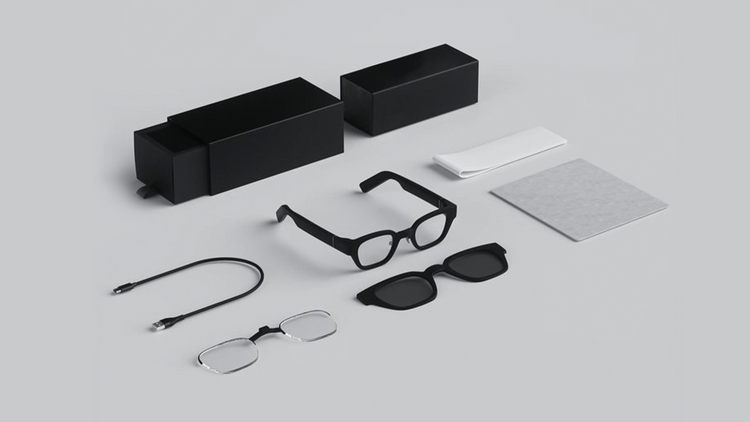

Bone Conduction Headphones for Outdoor Safety With Hearing Loss

Table of Contents
- Why Outdoor Awareness Matters
- How Bone Conduction Helps
- Practical Safety Checklist
- Where Hearview Fits
- Frequently Asked Questions
- Conclusion
Why Outdoor Awareness Matters
For individuals with hearing loss, staying safe outdoors involves more than just watching where you step. Environmental sounds—like approaching vehicles, bicycle bells, or someone calling your name—provide critical cues that help you react in time. Traditional earbuds or over-ear headphones can block these sounds, increasing risk. Bone conduction headphones offer a unique solution by leaving your ears open while delivering sound through your cheekbones. This article explores how bone conduction headphones can support outdoor safety for people with hearing loss, along with practical guidance for volume management, traffic awareness, and communication.
How Bone Conduction Helps
Bone conduction technology transmits sound vibrations directly to the inner ear via the bones of the skull, bypassing the outer and middle ear. This means your ear canals remain unobstructed, allowing you to hear ambient sounds naturally. For outdoor activities like walking, jogging, or cycling, this open-ear design can be a valuable accommodation. Key benefits include:
- Environmental awareness: You can hear traffic, animals, or other people while listening to audio.
- Comfort for hearing aid users: Bone conduction headphones can be worn without interfering with hearing aids, though positioning may vary.
- Reduced isolation: Conversations with companions remain possible without removing headphones.
However, bone conduction is not a substitute for professional hearing care. If you have medical concerns about your hearing, consult an audiologist or ENT specialist.
Practical Safety Checklist
When using bone conduction headphones outdoors, follow these guidelines to maximize safety:
- Keep volume moderate: High volume can still mask important sounds. Aim for a level where you can hear both audio and environment.
- Use in low-risk settings first: Test your awareness in a quiet park before trying busy streets.
- Stay alert near traffic: Even with open ears, be cautious. Look both ways and avoid relying solely on audio cues.
- Communicate with companions: Let walking or running partners know you use headphones so they can get your attention visually if needed.
- Consider additional accommodations: For severe hearing loss, bone conduction headphones may not provide enough situational awareness. Pair with visual alerts or assistive devices.
Where Hearview Fits
Hearview offers bone conduction headphones designed with outdoor safety in mind. Our product combines open-ear listening with clear audio for calls, navigation, and music, so you can stay connected without sacrificing awareness. While no headphone can fully replace natural hearing, Hearview's design aims to support your outdoor activities comfortably. For more details, visit the product page: Hearview Bone Conduction Headphones.
Remember: Always consult a hearing professional for personalized advice. Bone conduction headphones are a tool, not a medical device.
Frequently Asked Questions
Can bone conduction headphones help me hear traffic better?
They can help because your ears remain open, but they do not amplify environmental sounds. You still need to be vigilant, especially in noisy areas. Volume discipline is key.
Are bone conduction headphones safe for people with hearing aids?
Many users wear them comfortably alongside hearing aids, but fit may vary. Test in a safe environment first. Consult your audiologist for guidance.
Do bone conduction headphones work for severe hearing loss?
They may provide some benefit, but effectiveness depends on the type and degree of hearing loss. For severe cases, other assistive technologies or professional care may be more appropriate.
Conclusion
Bone conduction headphones can be a helpful tool for maintaining outdoor awareness while enjoying audio, especially for those with mild to moderate hearing loss. By keeping your ears open, they support situational awareness—but they are not a replacement for caution or professional care. Start with low-volume use in safe settings, and always prioritize your safety. If you're considering bone conduction headphones, explore options like Hearview that emphasize open-ear design and comfort. For any medical questions, please consult a healthcare provider.
Practice the Communication Plan Before You Need It
A short practice run can reveal gaps that are easy to miss on paper. Choose a low-pressure time, explain the preferred communication method, test the device or written backup, and confirm how the other person should get your attention. Check lighting, distance, background noise, battery level, connectivity, and whether important details can be reviewed in writing. If the situation involves health, employment, travel security, or safety, identify the formal accommodation or trained professional responsible for effective communication; a personal tool is only one layer. Save essential names, questions, account details, and emergency contacts where they can be reached quickly. After the interaction, note what worked and what caused confusion. Adjust the plan rather than assuming the same setup will work everywhere. This rehearsal makes bone conduction headphones for outdoor safety hearing loss more predictable while preserving privacy, choice, and a reliable fallback.