
Fitness Trainer Communication for Hearing Loss: Visual Cues, Form Chec

Table of Contents
- Introduction
- Communication Challenges in the Gym
- Visual Cues and Demonstrations
- Form Checks Without Verbal Instructions
- Safety Signals and Emergency Communication
- Planning Checklist for Accessible Training Sessions
- Where Hearview Fits: Real-Time Captioning for Fitness
- Frequently Asked Questions
- Conclusion
Introduction
For individuals with hearing loss, working with a fitness trainer can present unique communication hurdles. Background noise, rapid verbal instructions, and the need for split-second safety cues can make it difficult to follow along or feel confident during a workout. However, with thoughtful planning and the right accommodations, trainers and clients can build an effective, safe, and empowering training relationship. This article explores practical strategies for fitness trainer communication for hearing loss, including visual cues, form checks, and safety signals, and highlights how technology like real-time captioning glasses can bridge the gap.
Communication Challenges in the Gym
Gyms are inherently noisy environments—music, clanging weights, and conversations create a soundscape that can overwhelm someone with hearing loss. Even with hearing aids or cochlear implants, understanding a trainer’s instructions from a distance or while in motion can be difficult. Common challenges include:
- Background noise: Overlapping sounds mask speech, especially for those with high-frequency hearing loss.
- Distance and movement: Trainers often give instructions from across the room or while the client is mid-exercise.
- Rapid corrections: Quick verbal cues like “push through your heels” can be missed.
- Safety signals: Emergency instructions or spotting cues may not be heard.
Recognizing these barriers is the first step toward creating accessible coaching. Both trainers and clients should discuss communication preferences before starting a session.
Visual Cues and Demonstrations
Visual cues are a cornerstone of accessible gym coaching. Instead of relying solely on verbal instructions, trainers can use:
- Demonstrations: Show the exercise first, then have the client mirror the movement.
- Hand signals: Develop a set of simple gestures for common commands (e.g., “slower,” “higher,” “stop”).
- Written cues: Use a whiteboard, notepad, or smartphone app to write key points.
- Visual timers: Display rest periods or set durations on a screen.
For example, a trainer might point to their own feet to indicate foot placement, or raise a hand to signal “stop.” Consistency is key—agree on signals before the workout and practice them.
Form Checks Without Verbal Instructions
Correcting form is essential for safety and effectiveness, but it can be challenging when verbal cues are not an option. Here are some methods:
- Mirror work: Position the client in front of a mirror so they can self-correct based on visual feedback.
- Touch cues: With permission, use light taps to guide alignment (e.g., tap the shoulder blades to cue retraction).
- Video playback: Record the client’s set and review it together, pointing out areas for improvement.
- Written feedback: After a set, write one or two corrections on a card or app.
For deaf personal trainer communication, these techniques allow for real-time adjustments without spoken words. It’s important to establish a comfort level with physical cues and always ask for consent.
Safety Signals and Emergency Communication
Safety is paramount in any fitness setting. For clients with hearing loss, trainers should have a clear emergency plan:
- Visual stop signal: A raised hand or a red card that means “stop immediately.”
- Light signals: Use a flashlight or gym lights to get attention.
- Pre-arranged cues: Agree on a signal for “I need help” or “I’m feeling dizzy.”
- Emergency contact: Ensure the client knows how to alert staff if the trainer is unavailable.
Trainers should also be aware of fire alarms and other auditory alerts; visual alarms or vibrating pagers can be used as accommodations.
Planning Checklist for Accessible Training Sessions
Use this checklist to prepare for a session with a client who has hearing loss:
- ☐ Discuss communication preferences (sign language, lip reading, captions, etc.)
- ☐ Agree on visual hand signals for common commands and safety
- ☐ Choose a quiet area of the gym if possible
- ☐ Have a whiteboard or notepad ready
- ☐ Demonstrate exercises before the client attempts them
- ☐ Use mirrors or video for form feedback
- ☐ Establish an emergency stop signal
- ☐ Consider assistive technology (e.g., captioning glasses)
- ☐ Check in regularly to confirm understanding
Where Hearview Fits: Real-Time Captioning for Fitness
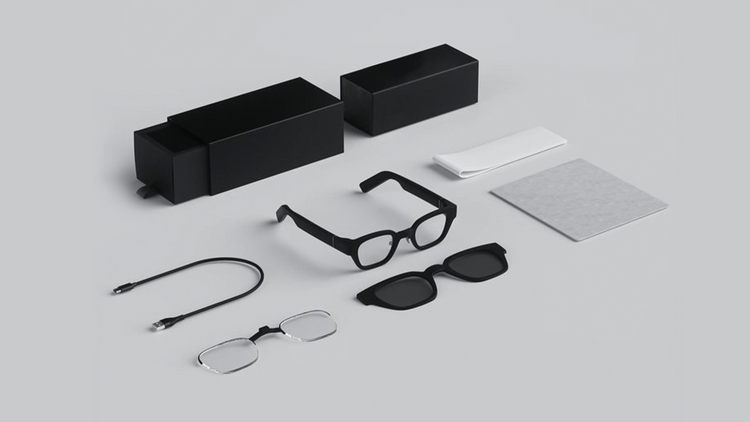
For clients who prefer spoken language but need visual support, real-time captioning can be a game-changer. Hearview’s subtitle glasses display captions of what the trainer says directly in the client’s field of view. This allows the client to maintain eye contact and focus on movement while reading the instructions. The glasses are lightweight and can be worn over prescription eyewear, making them suitable for gym use. While they do not replace other accommodations, they add an extra layer of accessibility for hard of hearing fitness instructions. As with any assistive device, it’s important to test it in the gym environment and have backup communication methods.
Frequently Asked Questions
1. Can a person with hearing loss become a personal trainer?
Yes, many deaf and hard of hearing individuals work as personal trainers. They often rely on visual communication, written materials, and assistive technology to coach clients. With proper accommodations, they can be highly effective.
2. What are the best visual cues for gym communication?
Common visual cues include hand signals for “stop,” “go,” “slower,” and “more weight.” Pointing to body parts, using a mirror, and demonstrating exercises are also effective. It’s best to agree on cues beforehand.
3. How can I make my gym more accessible for deaf clients?
Start by training staff on communication strategies, providing visual alarms, offering written materials, and being open to using assistive technology like captioning apps or glasses. Always ask clients about their preferences.
Conclusion
Effective fitness trainer communication for hearing loss is achievable with a combination of visual cues, thoughtful planning, and the right tools. By focusing on demonstrations, hand signals, written feedback, and safety protocols, trainers can create an inclusive environment where clients thrive. For those who benefit from real-time captions, Hearview’s subtitle glasses offer a discreet and practical solution. Remember, every individual’s needs are unique, so open dialogue and flexibility are essential. Start with the checklist above, and build a training experience that prioritizes safety, clarity, and empowerment.